
House Oversight Committee Seeks Clintons’ Testimony in Epstein Probe
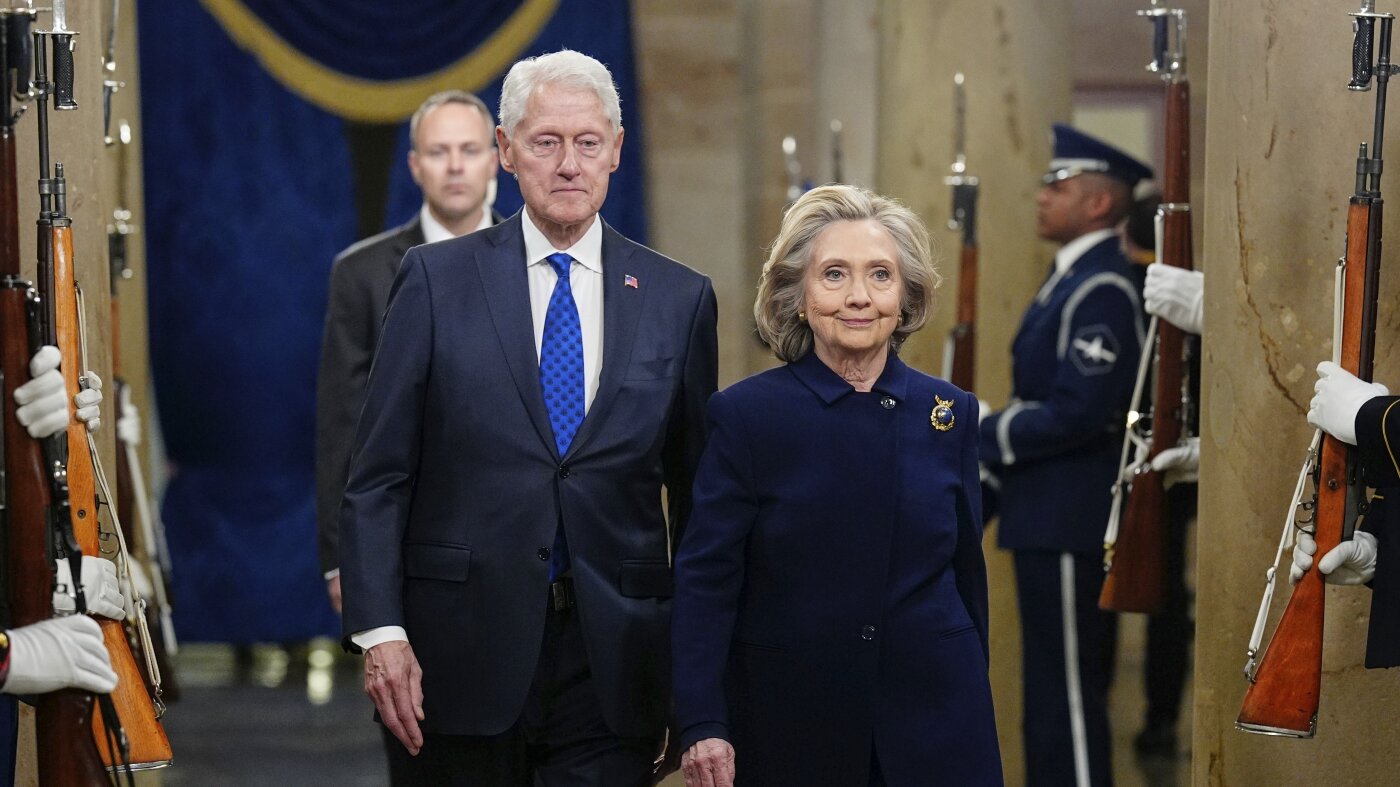
The House Oversight Committee, led by Republicans, is making headlines as it considers charging former President Bill Clinton and potentially former Secretary of State Hillary Clinton with contempt of Congress. This move stems from their refusal to testify regarding their past associations with the convicted sex offender Jeffrey Epstein.
Subpoenas were issued by the committee for the Clintons to provide testimony, but both have declined to appear. While Hillary Clinton was scheduled for a Wednesday testimony, Bill Clinton was expected to appear on Tuesday. However, neither showed up, prompting House Oversight Chairman James Comer, R-Ky., to express his disappointment, stating, “No one’s accusing the Clintons of any wrongdoing, I just find it odd not only that they didn’t show up, but that the Democrats on the committee so concerned about getting to the bottom of the Epstein investigation didn’t even bother to show.”
Photographs released by the Justice Department depict Epstein traveling alongside President Clinton, who has asserted that he severed ties with Epstein long before the financier’s criminal activities became known.
In a letter addressed to the committee, the Clintons argued that the subpoenas lack legal validity and emphasized that they have already shared the extent of their knowledge in written form. They criticized the effort as a means to politically embarrass them, stating, “Every person has to decide when they have seen or had enough and are ready to fight for this country, its principles and its people.”
Despite the subpoenas being part of a broader list approved by Democrats on the committee, most individuals on that list have not been compelled to testify. University of Kentucky Law professor Jonathan Shaub commented on the evolving use of congressional subpoenas, noting, “In recent decades, it’s become more and more about scoring political points or exposing embarrassing material for the other side and less about getting information that Congress actually needs to legislate.”
Shaub, who specializes in the Constitution’s separation of powers, further explained that should a contempt resolution be approved by the House and the Justice Department decides to prosecute the Clintons, it could lead to a significant legal confrontation. This is particularly notable given the limited case law surrounding congressional contempt resolutions.
Simultaneously, the Justice Department has not yet released a substantial volume of documents related to Epstein, despite a deadline imposed by Congress in December. This delay has drawn attention, with Rep. Robert Garcia, D-Calif., the Oversight committee’s ranking member, expressing frustration on social media, exclaiming, “WHERE ARE THE EPSTEIN FILES.”
The use of contempt of Congress charges is infrequent but powerful. Notably, Steve Bannon and Peter Navarro, both close allies of President Trump, faced such charges after declining cooperation in the investigation into the January 6th Capitol attack, resulting in each serving a four-month prison sentence.




