
Judicial Ruling Limits Federal Agents’ Actions Amidst Minneapolis Immigration Crackdown
In a significant judicial decision, federal officers involved in a large-scale immigration enforcement operation in the Minneapolis area have been restricted from detaining or using tear gas on peaceful demonstrators, as long as these individuals are not obstructing law enforcement activities. This ruling was issued by a Minnesota judge on Friday, underscoring the delicate balance between enforcement and civil liberties.
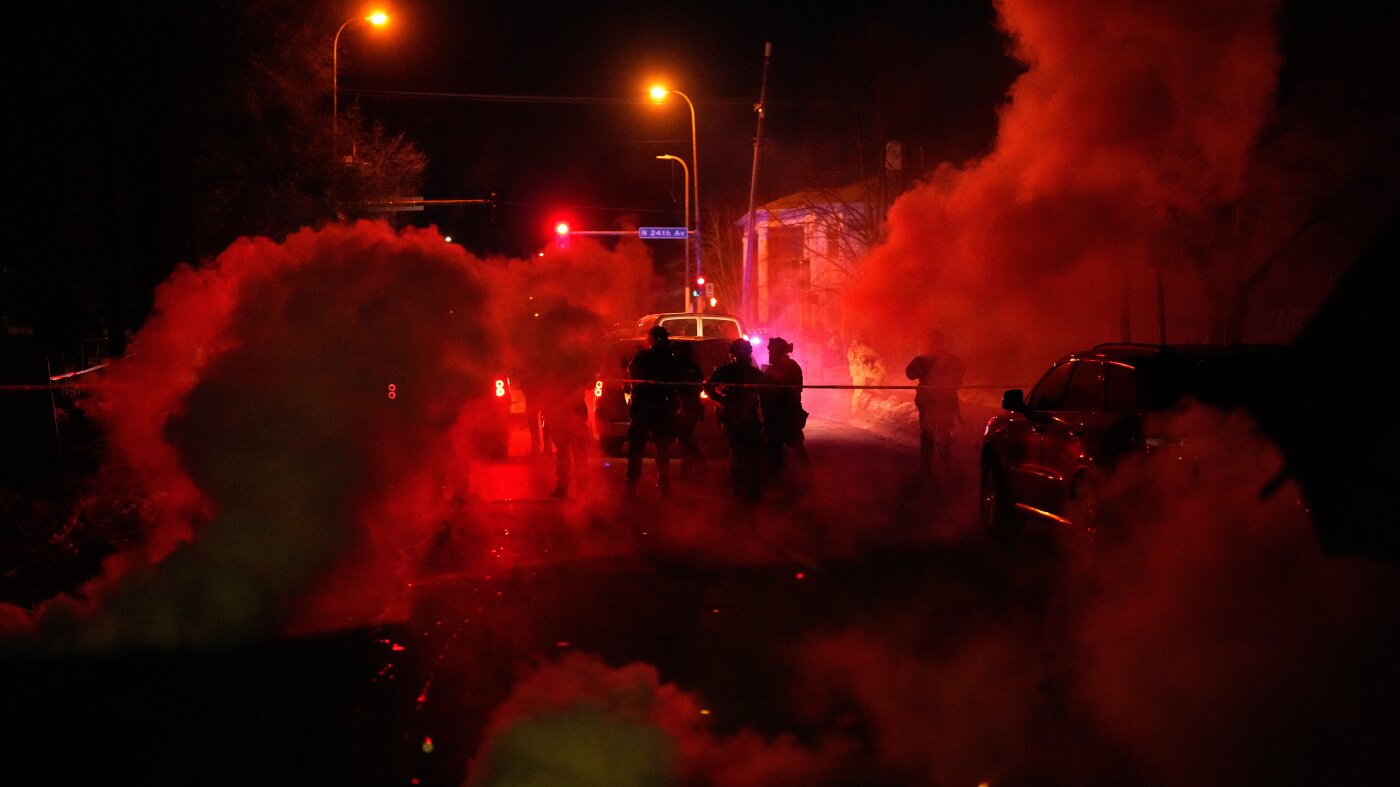
Tear gas surrounds federal law enforcement officers as they leave a scene after a shooting on Wednesday, Jan. 14, 2026, in Minneapolis. John Locher/AP
The decision by U.S. District Judge Kate Menendez comes in response to a lawsuit filed in December by six Minnesota activists. These individuals are among the many monitoring the activities of Immigration and Customs Enforcement (ICE) and Border Patrol officers in the Minneapolis-St. Paul area, which have intensified under the current immigration crackdown.
Confrontations between federal agents and protesters have increased in frequency and intensity, particularly following the deadly shooting of Renee Good by an immigration agent on January 7. This incident, captured on video, has escalated tensions, resulting in multiple arrests and detentions within the Twin Cities.
The American Civil Liberties Union (ACLU) of Minnesota, representing the activists, argues that the actions of federal officers are infringing upon the constitutional rights of local residents. The Department of Homeland Security, however, maintains that its measures are necessary to maintain order and protect both officers and the public from what it describes as “dangerous rioters.”
Tricia McLaughlin, Assistant Secretary of Homeland Security, commented, “We remind the public that rioting is dangerous — obstructing law enforcement is a federal crime and assaulting law enforcement is a felony.”
Judge Menendez’s ruling specifically prohibits unwarranted detaining of drivers and passengers. It emphasizes that simply following agents does not constitute reasonable suspicion warranting a vehicle stop. Moreover, the ruling stipulates that arrests should only occur under probable cause or reasonable suspicion of criminal activity or interference with officers.
In addition to this case, Judge Menendez is handling another lawsuit initiated by the state of Minnesota and the cities of Minneapolis and St. Paul. This suit seeks to halt the ongoing enforcement operations, citing similar legal concerns. While declining an immediate temporary restraining order, Judge Menendez acknowledged the importance of the issues, indicating the need for further legal examination.
Assistant Attorney General Brian Carter highlighted the urgency of the situation, stating, “What we need most of all right now is a pause. The temperature needs to be lowered.”
This article was originally written by www.npr.org




