A Danish Veteran’s Emotional Appeal Amid Strained US-Denmark Relations
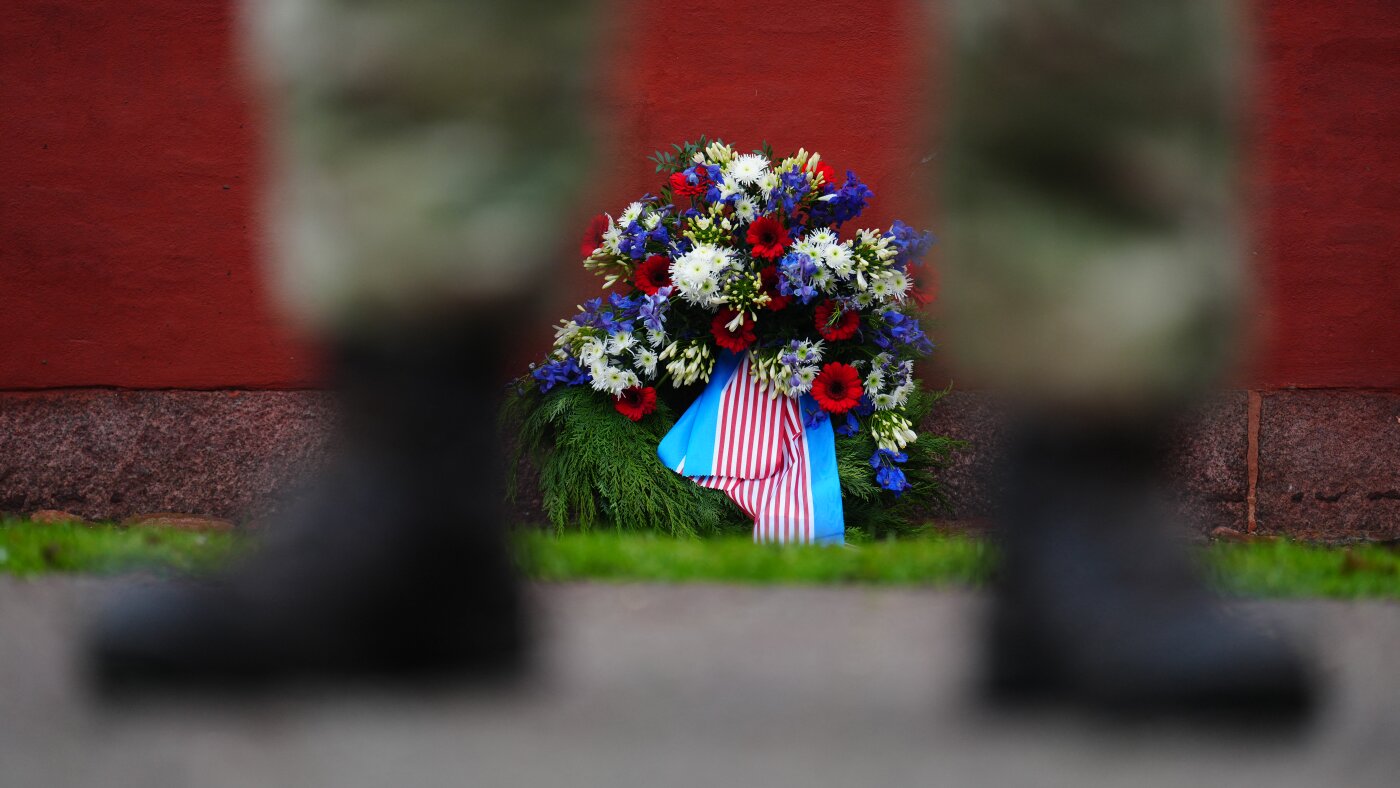
In Copenhagen, a recent visit by a U.S. congressional delegation highlighted the friction in Danish-American relations. The group laid a wreath at a memorial honoring Denmark’s international efforts. Yet, amidst this gesture of solidarity, tensions were simmering beneath the surface.
Company Sergeant Major Henrik Bager, a Danish veteran who served in Afghanistan and Iraq alongside American troops, captured the emotional strain of this tension. Sitting in a cafe in Copenhagen, Bager described the Danish concept of a “full cup”—a metaphor for the emotional overload he felt from recent U.S. criticisms.
The controversy began with remarks suggesting Denmark had not adequately supported the security of Greenland, labeling the country as a “poor ally.” These comments, particularly from President Trump and his administration, were perceived as a betrayal by many Danes, including Bager.
“Dear Rufus Gifford,” Bager wrote in a heartfelt letter. “I’m not writing as a politician. Not as an analyst. I’m writing as a Danish Afghanistan and Iraq veteran.”
Bager’s letter, sent to former U.S. Ambassador to Denmark Rufus Gifford, expressed the deep hurt and disappointment felt by Danish soldiers who stood with Americans in conflict zones. “When the U.S. today calls Denmark a poor ally, it feels like a slap in the face to those of us who were actually there,” he wrote.
Gifford, who was moved by the letter, acknowledged the profound impact of the alliance between the two nations. He emphasized the importance of mutual respect and the shared history between the countries, particularly as members of the North Atlantic Treaty Organization (NATO).
Bager recounted his time as a squad leader in Afghanistan’s Helmand Province, one of the conflict’s deadliest regions. His service was marked by personal sacrifice, including the death of his father during his deployment.
“For those families who didn’t get their soldier home, sitting and listening to this rhetoric being used, it must be more painful, hurtful than it is for me — and I can feel it all the way to my bones,” Bager stated, emphasizing the emotional toll of the ongoing political discourse.
“All those deaths seem disrespected”
Bager’s sentiments are echoed by many in Denmark, where reports of the U.S. administration’s rhetoric have struck a nerve, particularly among those with military ties. Villads Welling, a political science student, remarked on the disrespect felt for the sacrifices made by Danish soldiers.
The controversy reached a peak with discussions of the U.S. ambition to acquire Greenland, which have been met with strong opposition in Denmark. While President Trump has since dismissed the idea of acquiring Greenland by force, the damage to the diplomatic relationship appears significant.
Taking the Stars and Stripes down
Søren Knudsen, a retired officer of the Danish army, shared his dismay over the deteriorating relations. Honored by the U.S. with the Stars and Stripes after serving as a deputy commander in Afghanistan, Knudsen removed the symbol from his home following recent U.S. criticisms.
Knudsen and his American-born wife, Gina Schaar, voiced concerns over the long-term implications of the current rhetoric, fearing it could fundamentally alter the bond between their two countries.
Despite the strain, Knudsen remains hopeful for a renewal of the historical ties that have long united Denmark and the U.S. “I hope one day there is a comeback,” he said, reflecting on the enduring values shared by the transatlantic allies.