
Global Neglect of Leprosy Poses a Threat to Generation Alpha
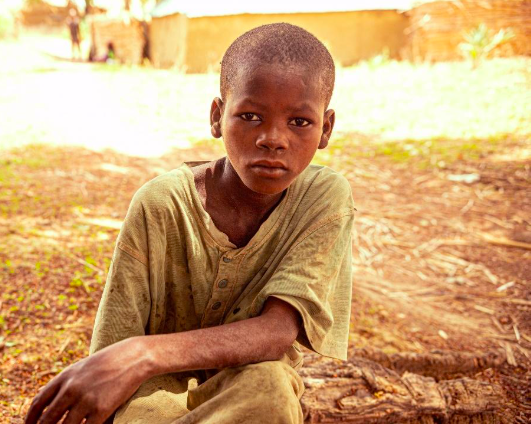
(Photo: The Leprosy Mission)
The ongoing neglect of leprosy and other Neglected Tropical Diseases (NTDs) threatens to condemn the youngest generation to unnecessary suffering. Addressing these diseases requires more than just distributing medications; it demands confronting harmful myths and dedicating resources to marginalized communities.
The current situation calls for a direct acknowledgment of the suffering that many in the Western world prefer to ignore. This neglect is particularly detrimental to Generation Alpha, who face avoidable disabilities and social ostracism due to leprosy.
In our work, we’ve encountered two harrowing stories: a boy in Nepal accused of being cursed, and a Nigerian toddler who suffered a brutal attack because of leprosy. These cases highlight the severe consequences of untreated leprosy, a disease easily curable with antibiotics if addressed early.
If such incidents occurred in Western countries, they would undoubtedly provoke public outrage and demand immediate action. However, since they take place in remote parts of Asia and Africa, they remain largely ignored.
The Western world’s claim of a “small” world, where distance is no longer a barrier, falls short when faced with uncomfortable truths. The decline in overseas aid from wealthy nations, following comments by high-profile figures like Elon Musk, has exacerbated the vulnerability of Generation Alpha to leprosy.
Unlike diseases such as malaria or polio, leprosy has not received consistent global support in recent years. Despite an initial surge of attention when an effective cure was discovered in the 20th century, efforts waned. Currently, the World Health Organization reports around 200,000 new cases annually, with many more undiagnosed.
These cases often remain hidden due to governments’ lack of prioritization and overwhelmed health systems. The challenges are compounded by increasing global conflicts and climate change, which disproportionately affect the poorest communities.
The UN’s goal of eradicating NTDs by 2030 seems increasingly unattainable. Our teams regularly discover areas with alarmingly high numbers of leprosy cases among children, indicating widespread community transmission.
Beyond the physical ramifications such as nerve damage and disability, the emotional toll on children is severe. They face stigmatization, social isolation, and the belief that they are unworthy of love, often leading to lifelong psychological scars.
While such injustices would not be tolerated in Western societies, they continue to persist in countries like Nepal, Nigeria, India, Mozambique, and Bangladesh. It is crucial that our compassion and sense of responsibility extend beyond borders.
The global community must renew its commitment to combating leprosy, advancing beyond the initial rollout of multidrug therapy in the 1980s and 90s. This effort requires a wholehearted approach, recognizing our role in preventing leprosy for Generation Alpha and future generations.
Peter Waddup is Chief Executive of The Leprosy Mission.
This article was originally written by www.christiantoday.com




