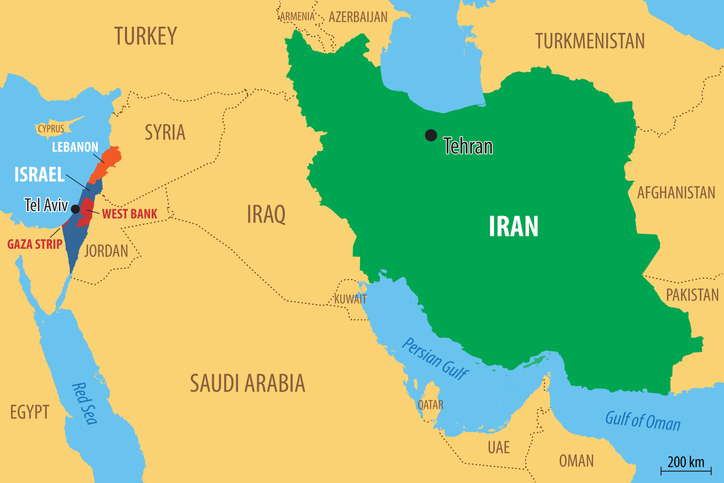
In Iran, a wave of unrest is sweeping through the nation, a predictable consequence for those who understand the intrinsic value of basic civil rights.
Throughout history, oppressive regimes, whether founded on atheism, religious fervor, or military strength, have faced inevitable challenges. Over time, people, who inherently possess the right to freedom, resist any prolonged dehumanization by the state.
The Iranian revolution led by Khomeini began as a reaction to the harsh conditions under the Shah, with citizens seeking genuine freedom and respect for all. However, once the Islamic regime took hold, Iranians found themselves under the control of religious leaders intolerant of opposition. This government used religion to consolidate power, ensuring their supremacy.
Despite the collapse of the global order post-World War II, nations are asserting their inherent rights to liberty and justice.
I have engaged in numerous discussions with Iranian women, both Muslim and non-Muslim, who valiantly advocate for women’s rights in Iran. In the past, protests, such as those sparked by a woman’s death and the arrest of another for not wearing a hijab, were brutally suppressed. This instilled fear that may have stifled future uprisings.
Yet, the stark injustices of the religious regime have been exposed amid severe economic hardships. Iranians see politicians, under the guise of religion, amassing wealth while disregarding the public’s welfare. The economic turmoil, marked by a plunging rial, soaring inflation, and shortages of basic necessities, has fueled a new level of revolt, with citizens confronting state forces.
Reports confirm that thousands have died in the crackdown, but the resolve of the Iranian people remains steadfast. Powerful slogans such as “Death to the Dictator” echo through the once-silenced nation.
In the modern era, supporting a regime based on religious nationalism is untenable as it leads to inevitable violence. Whether religious or secular, dictatorships that fail to acknowledge citizens’ inherent rights are doomed to fail.
While there is speculation about President Trump’s potential military intervention in Iran, the more prudent approach would be for the religious regime to step down, allowing Iranians to establish a government free of extremism and abuse.
Advocates for religious freedom remain concerned about the persecution of Christians in Iran, particularly women, and hope for its end. This hope is tied to broader freedoms and just governance that Iran urgently needs.
Iran is a nation rich in history and diversity, and its citizens must reconnect with their cultural heritage. Iranians have made significant contributions globally in various fields, and a stable and peaceful Iran could further enhance global progress.
The aspiration is for this revolution to result in lasting change characterized by justice and human rights, rather than another oppressive regime.
The global community must rally in support of the Iranian people’s quest for justice. It is crucial to stand in solidarity with them as they strive for the dignity and freedom they so deeply deserve.
May the Lord bestow upon the Iranian people the true freedom and justice they courageously seek, and may this struggle lead to enduring change grounded in truth.
Archbishop Joseph D’Souza is the founder of Dignity Freedom Network, an organization that advocates for and delivers humanitarian aid to the marginalized and outcasts of South Asia. He is the archbishop of the Anglican Good Shepherd Church of India and serves as the President of the All India Christian Council.
This article was originally written by www.christiantoday.com