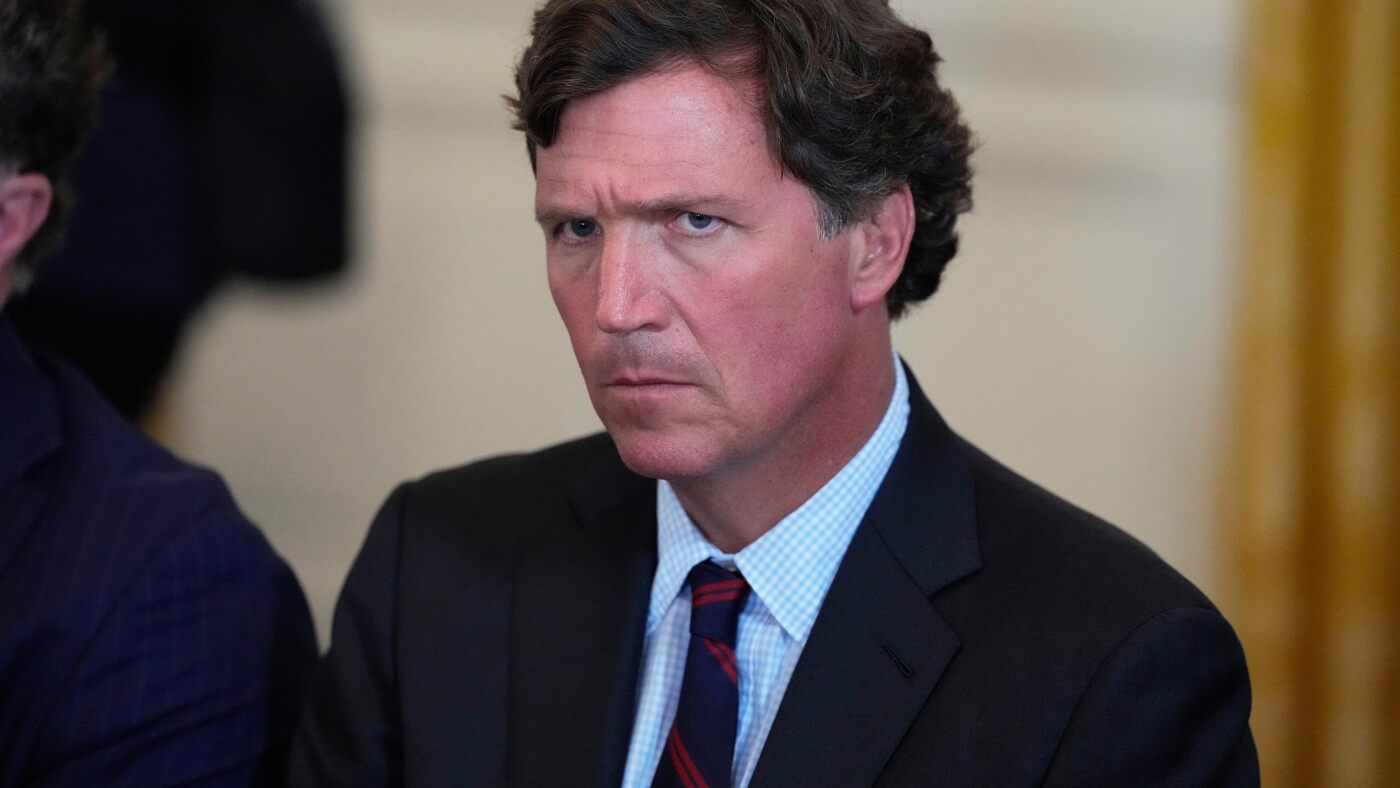
The Rise of Tucker Carlson: From Media Pundit to Political Influencer
In the world of conservative media, few figures have captured attention quite like Tucker Carlson. Once a host on Fox & Friends Weekend, Carlson’s early recognition of Donald Trump’s potential as a presidential candidate marked the beginning of his ascent in political commentary.
Carlson’s early foresight into Trump’s appeal to the Republican base was noted by many, including New Yorker writer Jason Zengerle, who mentioned, “[Carlson] recognized that a nativist candidate running on white grievance actually might do pretty well in a Republican primary.” This insight helped Carlson’s prominence grow at Fox News.
In his book, Hated by All the Right People: Tucker Carlson and the Unraveling of the Conservative Mind, Zengerle explores how Carlson became a key influencer on the far-right. According to Zengerle, Carlson holds a unique position of influence, being someone “that Donald Trump definitely listens to, definitely wants to hear from.” Though Trump does not always follow Carlson’s advice, the pundit remains a significant voice in conservative circles.
After a stint with various networks, Carlson found a permanent home at Fox News. Despite his abrupt firing in 2023, he continued to shape political discourse through a new streaming show on the social media platform X. His show has become a venue for discussing far-right views, including the controversial “great replacement” conspiracy theory.
Zengerle notes that since leaving Fox, Carlson has embraced more extreme views to maintain an audience in the attention economy. “He’s saying things before in a more explicit fashion,” Zengerle explains, hinting at Carlson’s strategy to retain relevance.
Throughout his career, Carlson has pursued “fame, fortune, and power,” leading to speculations about his future political ambitions. “He operates as a political actor, maybe even more than a media actor at this point,” suggests Zengerle.
Interview Highlights
On Carlson’s transition from print to TV in the ’90s:
Carlson’s TV career began when he realized the influence of televised commentary. He found that his off-handed remarks on TV often sparked more attention than his carefully crafted print stories, leading him to pursue a future in television.
On the impact of Jon Stewart’s appearance on Crossfire in 2004:
Stewart’s critique of Crossfire profoundly affected Carlson, leading to the show’s cancellation and Carlson’s departure from CNN. Zengerle describes this moment as pivotal, marking the beginning of Carlson’s populist streak and his eventual disillusionment with the Washington elite.
On founding The Daily Caller and its pivot to sensationalism:
Carlson’s initial vision for The Daily Caller was a fact-based conservative outlet, but it quickly shifted to more tabloidy content as he recognized what drew audiences. This adjustment set the stage for his entrance into sensationalism, competing with other right-wing platforms like Breitbart.
On Carlson’s rise at Fox News:
Initially an afterthought at Fox, Carlson rose to prominence by supporting Trump’s candidacy. His ability to articulate a coherent argument for Trump on air led to increased airtime and eventually his own show.
As Rupert Murdoch took over Fox News, Carlson was given his own prime-time slot, solidifying his position as a major voice in conservative media.
Thea Chaloner and Susan Nyakundi produced and edited this interview for broadcast. Bridget Bentz, Molly Seavy-Nesper, and Brett Neely adapted it for the web.