
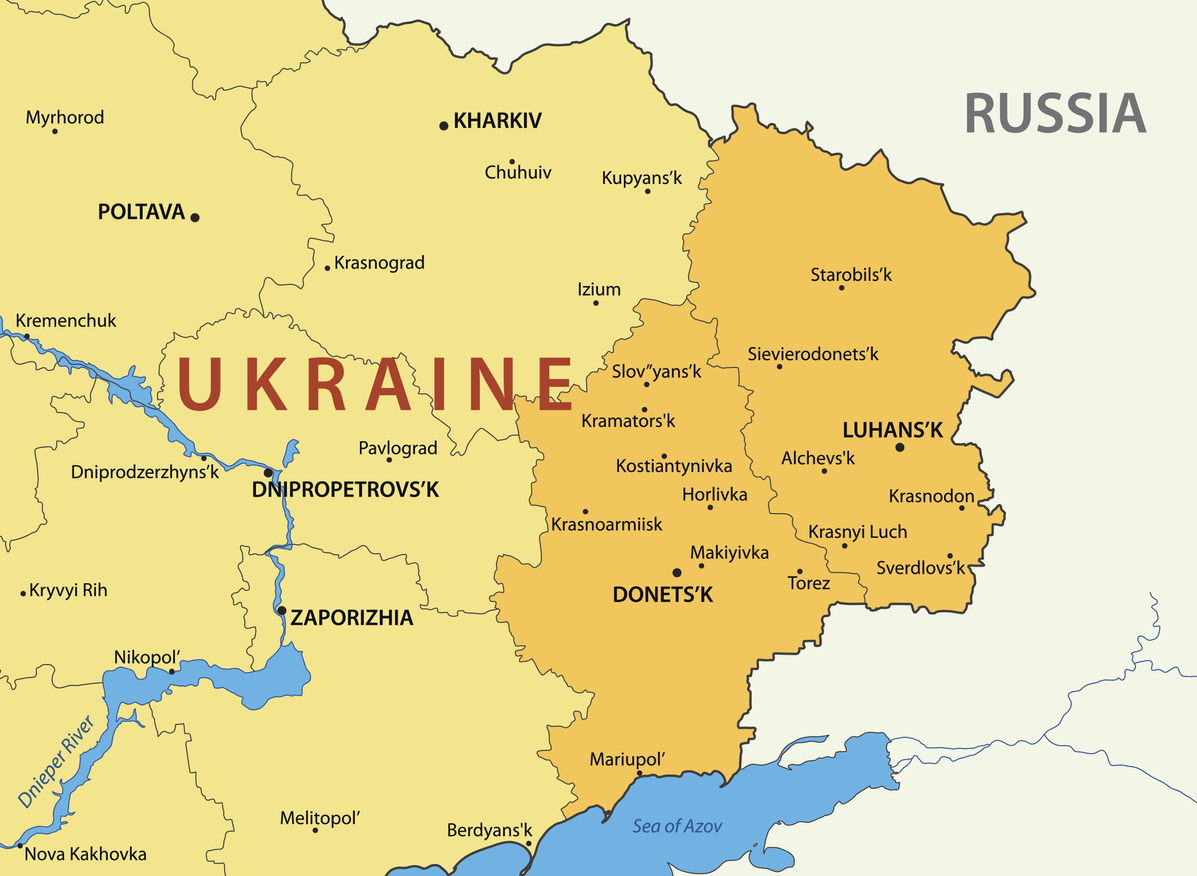
In a tense environment marked by political conflict, religious communities in eastern Ukraine face increasing pressure from Russian authorities. Recent events highlight a pattern of interference and control, particularly targeting unregistered churches in occupied territories.
On January 25, coordinated raids by Russian police and military forces disrupted Sunday services at two Council of Churches Baptist congregations in Krasnodon, also known as Sorokyne, in the Luhansk region. Some officers were reportedly armed, according to church leaders.
Pastor Vladimir Rytikov recounted the incident, stating that officers entered during worship, demanded identification from male attendees, and later detained him for questioning about the church’s non-compliance with Russian registration laws. “They said that if we don’t register, they’ll come to every service and stop it taking place,” Pastor Rytikov disclosed.
Simultaneously, a second congregation in the nearby village of Teple was also raided by a police unit specialized in countering extremism. These actions are part of a broader enforcement strategy against religious groups in territories controlled by Russia.
Between July and December 2025, at least seven similar raids were documented in the Donetsk and Luhansk regions, primarily affecting Council of Churches Baptist communities, which choose to operate without official registration. Consequences of these raids included fines for five religious leaders under Russia’s “anti-missionary” legislation, which penalizes unauthorized religious activities.
The Russian authorities demand that all religious entities register under their jurisdiction or provide formal notification of their existence, also requiring leaders to have Russian citizenship. Communities maintaining links to Ukrainian religious structures are deemed illegal.
The Council of Churches Baptists have historically refused registration in any country, challenging Russian claims that unregistered gatherings constitute illegal missionary activities. Russian courts have consistently supported fines against pastors even when services were held privately.
The United Nations has voiced criticism over these restrictions, urging Russian authorities to uphold religious freedom in occupied Ukrainian regions. Secretary-General António Guterres emphasized, “No individual should be criminally charged or detained simply for practising their religion,” in a report to the UN Human Rights Council.
Human rights groups suggest these enforcement actions are part of a larger strategy to exert control over occupied territories. This includes closing churches, replacing religious figures with pro-Moscow leaders, and detaining clergy who resist compliance. Reports by the Center for European Policy Analysis (CEPA) indicate instances of abuse and disappearances among religious leaders.
CEPA analysts Mitzi Perdue and Nicole Monette argue, “In the occupied territories, churches are among the few remaining institutions that command moral authority independent of the state.” They warn that the measures, including anti-missionary prosecutions, censorship, and disinformation, aim to suppress independent religious life.
As of early 2026, numerous religious communities have registered under Russian law, though many remain unregistered. Those linked to Ukrainian church structures, such as Protestant, Catholic, and Orthodox groups, face frequent targeting, leading to a climate of uncertainty for local believers.
Despite requests, Russian officials have not clarified the involvement of various state agencies in the raids on worship services, leaving questions about the legal and security justifications unanswered.
This article was originally written by www.christiantoday.com




