An Arrest Sparks Debate on Press Freedoms and Protest Rights
The arrest of a journalist during a protest against U.S. Immigration and Customs Enforcement (ICE) at a church in St. Paul, Minnesota, has ignited a debate over the boundaries of journalism and the protection of religious freedoms. While the reporter argues her arrest infringes on press rights, authorities maintain her actions crossed ethical lines.
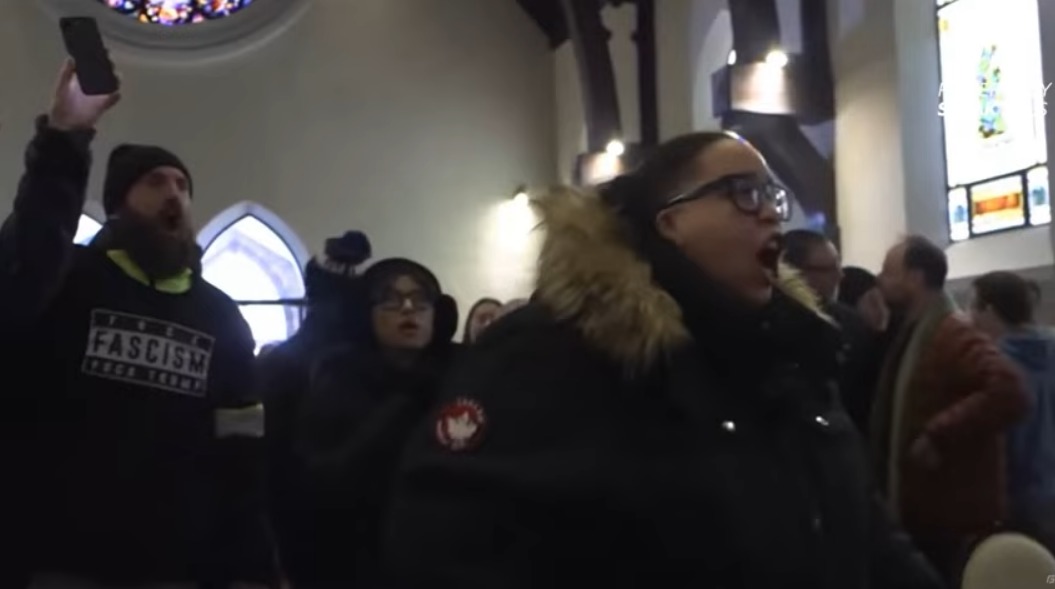
Independent journalist Georgia Fort was taken into custody along with other protesters for their involvement in a demonstration at Cities Church, a Southern Baptist church. The protest was aimed at opposing a church pastor’s dual role as an ICE official. Fort claims her presence at the event was in her capacity as a journalist, documenting activities of public interest.
Writing in a guest essay for The New York Times, Fort argued that her arrest exemplifies a growing pattern of intimidation against reporters. She cited several incidents where journalists were allegedly targeted while covering protests, suggesting a systemic issue of press rights being undermined.
Fort and others face charges of “Conspiracy Against Right of Religious Freedom at Place of Worship” and “Injure, Intimidate and Interfere with Exercise of Right of Religious Freedom at Place of Worship.” She contends such legal actions against journalists pose a threat to democracy and calls for the charges to be dismissed.
The federal government, however, defends the arrests, stating the protesters’ actions violated the Freedom of Access to Clinic Entrances Act. This law includes provisions safeguarding places of worship from intimidation. According to the indictment, the protest disrupted a church service, causing distress among congregants, including young children.
Authorities allege that Fort, along with former CNN anchor Don Lemon, coordinated with protest leaders, planning the demonstration which included loud chants and obstructing the church’s aisles. The indictment claims Fort and Lemon were actively involved in blocking the pastor and interfering with his duties.
Lemon, who attempted to interview the pastor post-protest, maintains that the demonstration was a First Amendment exercise and defended his role as a journalist. However, this defense was countered by Harmeet Dhillon from the U.S. Department of Justice Civil Rights Division, who tweeted, “A house of worship is not a public forum for your protest!”
As this case unfolds, it highlights the ongoing tension between press freedoms and legal limits on protest activities, especially in sensitive locations like houses of worship. This incident continues to stir discussions about the role of journalists and the balance between public documentation and legal boundaries.
This article was originally written by www.christianpost.com