
Immigration Crackdown in Minnesota Draws to a Close Amid Protests and Controversies
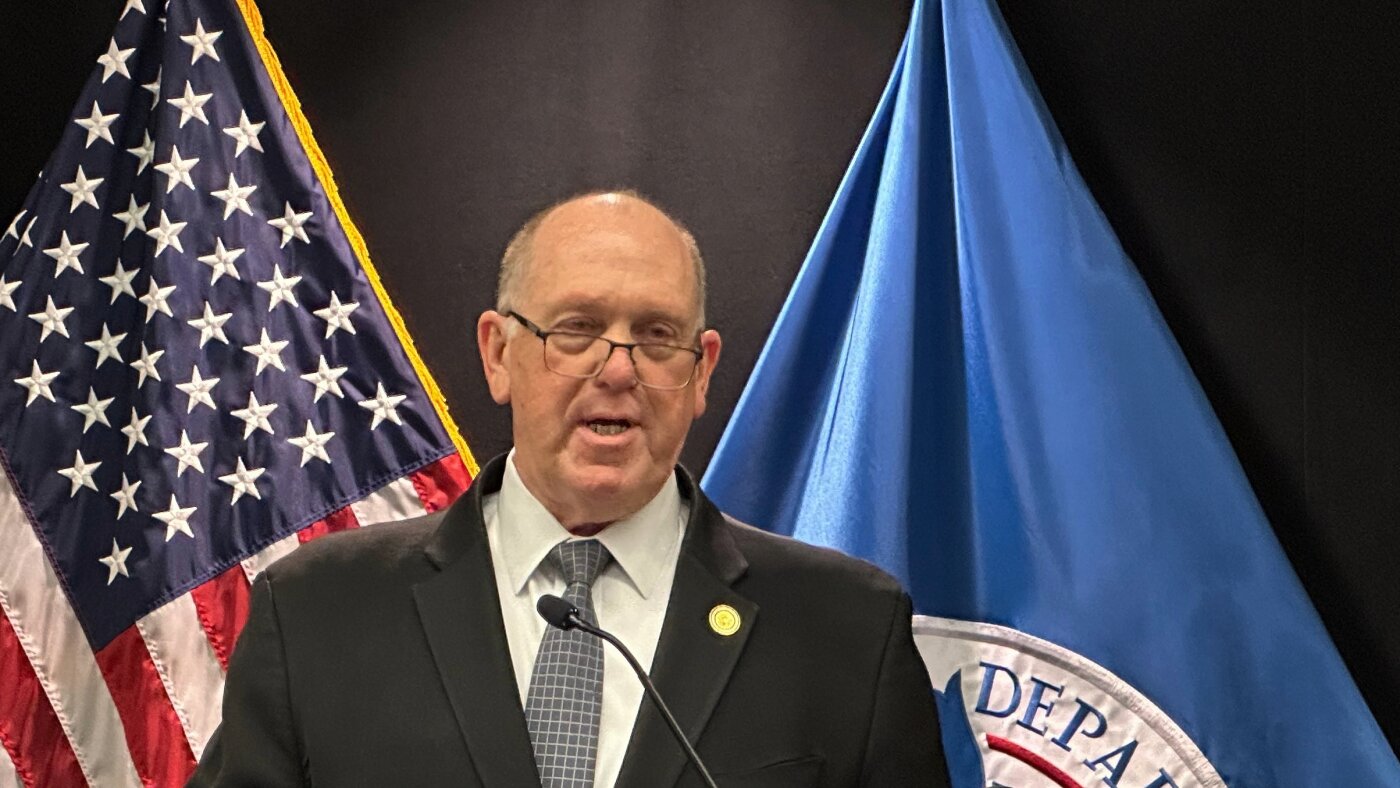
The Trump administration has decided to put an end to its immigration enforcement operations in Minnesota, which had sparked widespread protests and resulted in the deaths of two U.S. citizens. This decision was announced by White House border czar Tom Homan during a news conference held in Minneapolis.
Homan stated, “I have proposed, and President Trump has concurred, that this surge operation conclude. A significant drawdown has already been underway this week and will continue to the next week.”
Known as “Operation Metro Surge,” this initiative aimed to enhance cooperation between federal, state, and local law enforcement, allowing more immigration detentions to occur in jails rather than on the streets. Homan noted that local law enforcement agencies have been responding more effectively to protests.
“This surge operation and our work here with state and local officials to improve coordination and achieve mutual goals, as well as our efforts to address issues of concern here on the ground, have yielded the successful results we have came here for,” Homan expressed. “We are leaving Minnesota safer.”
Minneapolis Mayor Jacob Frey, who had opposed the operation from the start, declared victory on social media, posting on X, “They thought they could break us, but a love for our neighbors and a resolve to endure can outlast an occupation.”
Minnesota Governor Tim Walz also responded to the announcement, emphasizing the need for recovery. “The long road to recovery starts now,” Walz posted on X. “The impact on our economy, our schools, and people’s lives won’t be reversed overnight. That work starts today.”
In a separate news conference, Walz acknowledged the lingering fear among residents regarding federal immigration agents, stating, “It’s going to be a long road. Our sense of normalcy was shook to the core. The trauma that’s been inflicted, certainly across an immigrant community, but to every single Minnesotan, is unlike anything we’ve witnessed.”
Walz criticized the administration’s previous lack of communication, particularly pointing out the absence of dialogue from Department of Homeland Security Secretary Kristi Noem and Border Patrol commander Greg Bovino. Walz described this as “arrogance.”
Homan did not mention the two U.S. citizens, Renee Macklin Good and Alex Pretti, who were killed by federal agents during the operation. The Department of Justice’s Civil Rights Division is investigating Pretti’s death. Homan stated, “I don’t want to see any more bloodshed. I pray every night for the safety of our law enforcement personnel and the safety of those in the community, whether you’re here legally or illegally. I don’t want to see anybody harmed. If you break the law, we’re going to arrest you.”
The drawdown follows Homan’s earlier announcement to withdraw 700 of the 3,000 agents initially deployed to Minnesota, contingent on increased cooperation from local officials. Homan confirmed that agreements with local jails have been strengthened, allowing more federal access.
“Under President Trump’s direction, we have obtained an unprecedented level of coordination with law enforcement officials that is focused on promoting public safety across the entire state,” Homan noted. He acknowledged differences with Governor Walz but appreciated the support for state agencies coordinating with federal operations.
As the operation winds down, a small number of personnel will remain to conclude activities and transition control back to local command. Homan will oversee the process from Minneapolis.
This article was originally written by www.npr.org




