Controversial Changes at National Parks Spark Legal Battles Over Historical Narratives
In a move that has stirred significant public debate, conservation and historical organizations have initiated legal action against the Trump administration. This lawsuit challenges the National Park Service’s recent policy changes, which critics argue whitewash historical and scientific content within America’s national parks.
The legal action, filed in Boston, targets mandates from President Donald Trump and Interior Secretary Doug Burgum. These mandates allegedly compel park service employees to alter or remove displays that convey factual U.S. history and scientific insights, notably regarding slavery and climate change.
Meanwhile, LGBTQ+ rights groups and preservationists have also taken legal steps against the park service for removing a rainbow Pride flag from the Stonewall National Monument in New York. This site is a significant landmark in the LGBTQ+ rights movement.
The policy shifts are a response to an executive order from Trump, which called for “restoring truth and sanity to American history” at national museums and parks. The order aims to prevent displays that might “inappropriately disparage Americans past or living,” with further directives from Burgum to eliminate “improper partisan ideology” from federal sites.
The plaintiffs in the lawsuit, a coalition of organizations including the National Parks Conservation Association and the Union of Concerned Scientists, claim that recent federal actions have led to the removal of numerous exhibits. These exhibits covered essential aspects of American history, including slavery, civil rights, Indigenous peoples, and climate science.
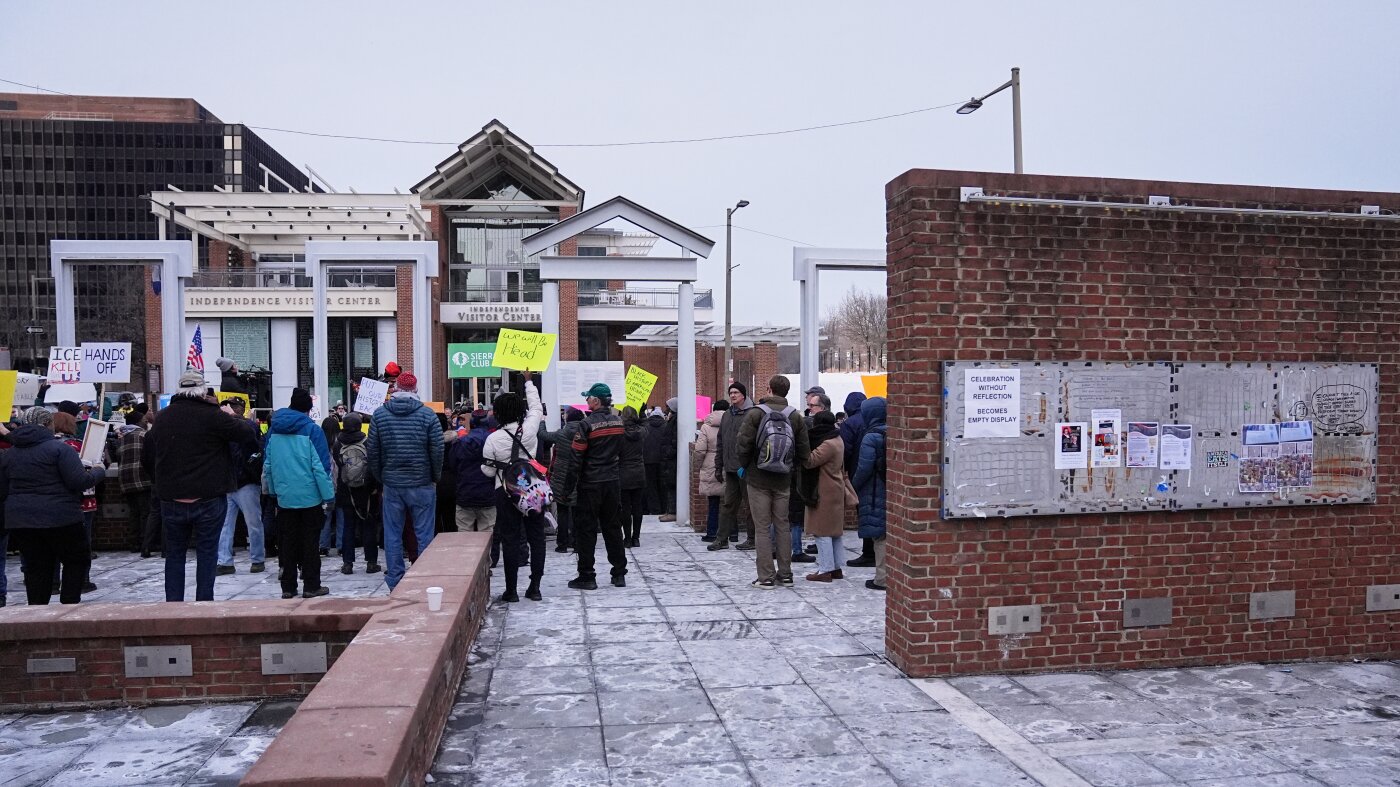
A federal judge recently ruled that an exhibit highlighting nine people enslaved by George Washington must be restored at his former Philadelphia residence. This ruling follows the removal of interpretive panels from Independence National Historical Park, where Washington and his wife lived with enslaved individuals in the late 18th century.
Additional controversies have arisen, such as the park service’s decision to flag interpretive materials for removal from the Selma to Montgomery National Historic Trail in Alabama. About 80 items have been marked for removal, highlighting key civil rights movement events.
Moreover, the lawsuit mentions that a permanent exhibit at the Brown v. Board of Education National Historical Park in Kansas has been scrutinized for referencing “equity.” At Grand Canyon National Park, signage explaining the displacement and exploitation of Native American tribes has disappeared. Similarly, Glacier National Park saw the removal of materials discussing climate change’s impact on glaciers.
Alan Spears, a senior director at the National Parks Conservation Association, expressed concern: “Censoring science and erasing America’s history at national parks are direct threats to everything these amazing places, and our country, stand for.” He emphasized that national parks should reflect the true stories of the nation’s past.
The Interior Department intends to appeal the court’s ruling on the Philadelphia case. A spokesperson stated that new interpretive materials offering “a fuller account of the history of slavery” at Independence Hall were planned, pending the court’s decision.
White House spokeswoman Taylor Rogers described the lawsuit as premature and based on inaccuracies. She noted that the Department of the Interior is still reviewing exhibits in line with the executive order, with no finalized actions yet.
U.S. District Judge Cynthia Rufe, in her ruling, drew a parallel between the current administration and the fictional Ministry of Truth from George Orwell’s “1984,” which altered historical records to fit its narrative.
The removal of the Stonewall flag is viewed as discriminatory by the plaintiffs, who argue that it exemplifies the administration’s alleged bias against the LGBTQ+ community. The flag, installed in 2022, was the first of its kind on federal land. Its removal was justified by a memo limiting displayed flags, though exceptions were made for historical context.
Despite the controversy, New York activists raised a new Pride flag at the Stonewall site. Former Glacier National Park superintendent Jeff Mow criticized the administration’s order as a “disservice” to public understanding, emphasizing the importance of truth in national storytelling.
Skye Perryman of Democracy Forward, the legal group representing the plaintiffs, stated, “You cannot tell the story of America without recognizing both the beauty and the tragedy of our history.”