Middle East Tensions Escalate After Iran’s Supreme Leader Killed in Air Strikes
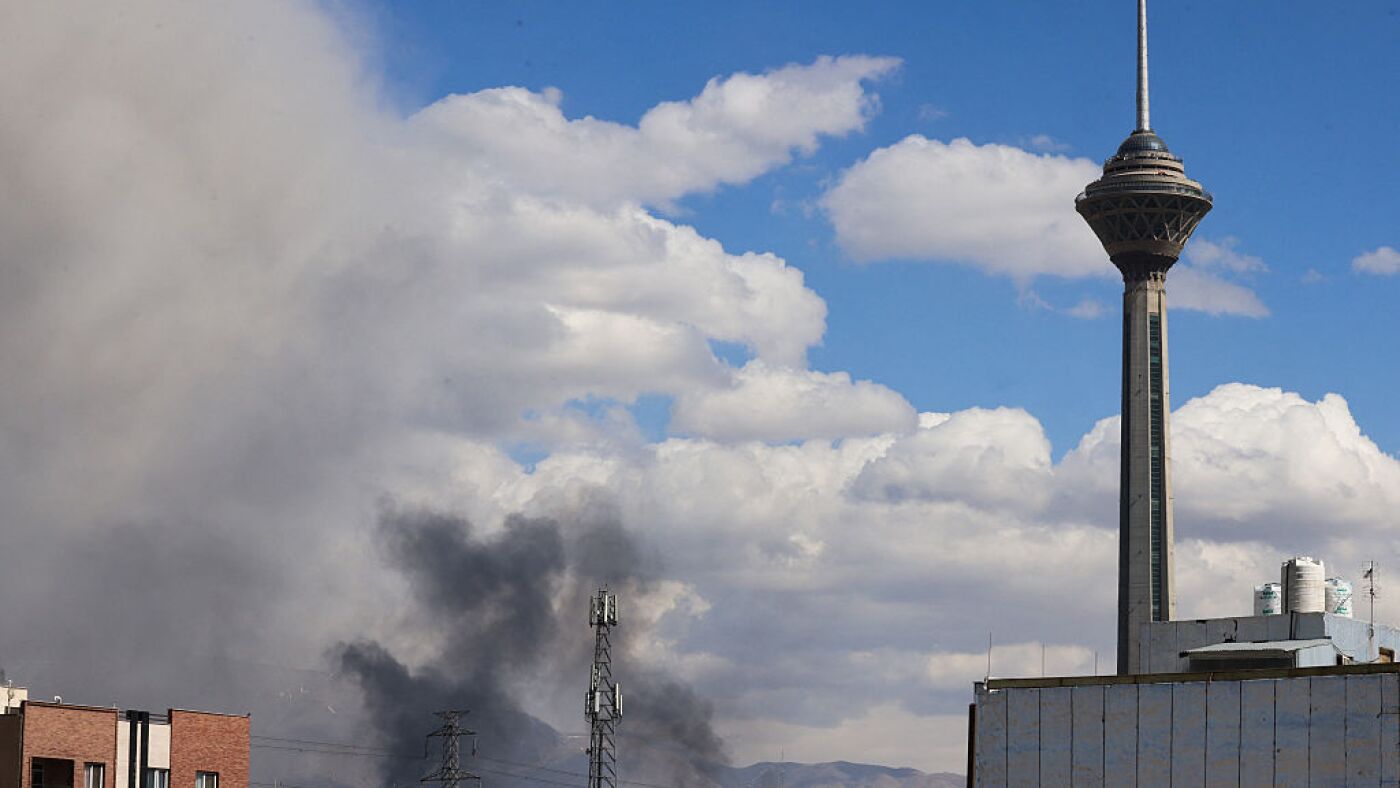
A plume of smoke rises following reported explosions in Tehran on March 1, 2026. Atta Kenare/AFP via Getty Images
In a significant escalation of tensions, the Middle East woke up to chaos as the U.S. and Israeli air strikes led to the demise of Iran’s Supreme Leader. The repercussions were immediate and widespread, impacting both regional stability and global geopolitics.
According to U.S. Central Command, three U.S. servicemen lost their lives, and five more were seriously injured. “Several others sustained minor shrapnel injuries and concussions — and are in the process of being returned to duty. Major combat operations continue and our response effort is ongoing,” stated the military in a statement on Sunday.
The Iranian government, now without Ayatollah Ali Khamenei at its helm, continues to retaliate. Strikes have been reported against Israel and U.S. targets across several locations, including Gulf states, Iraq, and Jordan. Iran has established a temporary leadership council to maintain governance under Islamic law until a new spiritual leader is selected.
In response, Israel launched a new wave of attacks targeting what it describes as “the Iranian terror regime” in Tehran. Explosions were heard across the city, as the Israeli air force sought to establish air superiority.
The death of Ayatollah Ali Khamenei, at 86, was confirmed by Iranian state media, which reported the air strikes targeted his office in Tehran. His death has prompted nationwide mourning in Iran, with crowds gathering in public spaces to honor what they consider his martyrdom.
Consequently, security measures have been heightened across the region. In Iraq, government forces blocked access to Baghdad’s green zone to protect embassies, while in Jordan, air raid sirens and missile interceptions disrupted the morning calm.
Meanwhile, the Gulf region, a vital hub for global oil exports, is reeling from Iranian threats to close the Strait of Hormuz. As Iran targets key infrastructure, including airports and luxury hotels, the OPEC group of oil-producing nations is considering increasing production to prevent an oil price spike.
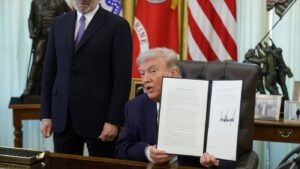
U.S. President Trump has issued stern warnings to Iran against further retaliation. In a post on Truth Social, he threatened an unprecedented forceful response, should Iran proceed with additional attacks.
The situation remains volatile, with significant implications for international relations and the global economy. As events unfold, the world watches closely, anticipating the next developments in this rapidly evolving conflict.
Report contributions by Carrie Kahn from Istanbul.
This article was originally written by www.npr.org