The New Dynamics of New England Town Meetings
In the quaint towns of New England, an age-old democratic tradition continues to thrive, but with a modern twist that has stirred much debate. Town Meetings, which have long been a cornerstone of local governance, are now grappling with issues that extend far beyond their borders.
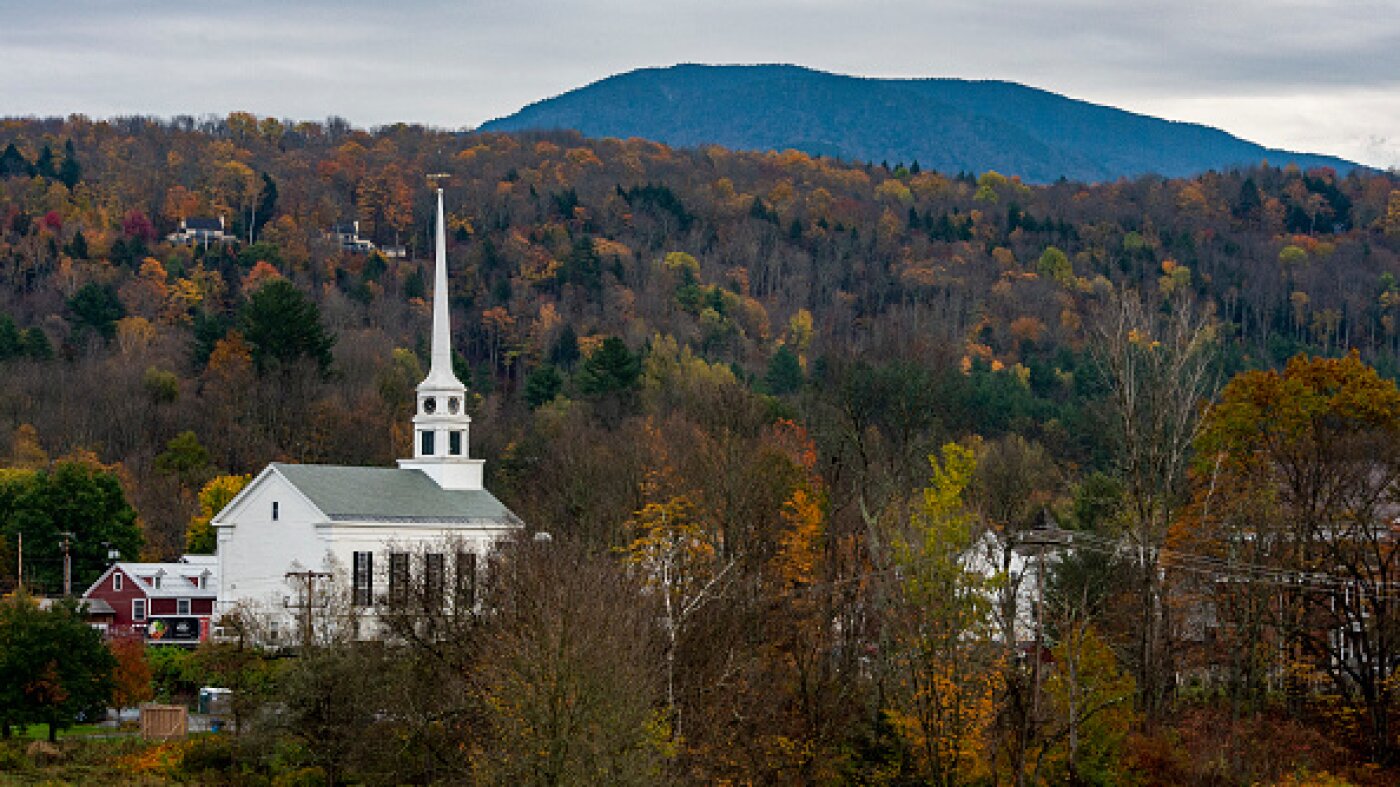
Tuesday is town meeting day in Vermont. Municipalities in New England and elsewhere are increasingly grappling with major national and international issues at the local level. JOSEPH PREZIOSO/Getty Images
Traditionally, these meetings have focused on local concerns like funding for schools or road maintenance. However, recent gatherings have included discussions on broader topics such as the defunding of ICE or criticizing the conflict with Iran. This shift has sparked debate over what issues truly belong in these forums.
According to Dan Dewalt, a Newfane activist, “When you have people sleepwalking into an authoritarian regime, it’s up to us to sound the alarm.” Newfane is one of the towns where residents hurriedly drafted a resolution against the Iran conflict for their Town Meeting.
Local resolutions are increasingly seen as effective tools, particularly as national politics become more polarized. Dewalt notes, “People feel isolated, helpless and hopeless. And when you hear about other people who are just like you taking a stand and representing something that you believe, that gives you not only hope, but it gives you power.”
Vermont towns are set to consider resolutions on various issues, including the removal of top federal officials and the cessation of support for Israel’s policies. Last year, a similar resolution regarding Israel narrowly passed in Newfane, despite heated discussions.
Walter Hagadorn, a Newfane resident, expressed his frustration, stating, “It’s a Town Meeting for town issues,” urging that any resolutions unrelated to local concerns be barred from future agendas.
Others have suggested alternative venues for such debates, but Select Board member Katy Johnson-Aplin argues that Town Meetings offer a unique platform for these discussions to gain attention.
Political science expert Daniel Hopkins from the University of Pennsylvania observes a growing trend of localities addressing issues beyond their borders, but warns of potential polarization. “I worry that we are in an attention-grabbing, sensation-rewarding media environment,” Hopkins says.
Newfane’s divisive resolution on Israel resulted in some residents avoiding the Town Meeting altogether, reports Select Board vice-chair Marion Dowling. Similarly, in Burlington, a proposed resolution led to heated exchanges and threats against city officials.
Vermont has a history of tackling significant issues at the local level, from nuclear disarmament to GMO bans. Dewalt has been instrumental in several past initiatives, emphasizing the impact of local actions on larger platforms.
Opponents argue that activists exaggerate the impact of these resolutions, pointing out that a small minority often represents the town’s stance. Newfane resident Cris White criticizes the approach, saying, “I feel like they’re using the town as a vehicle for their personal messages and that bothers me.”
Ben Traverse, Burlington City Council President, highlights concerns over the language used in resolutions, advocating for clearer and more balanced wording. He suggests that an official review could help ensure fairness, similar to how ballot language is handled in many states.
This article was originally written by www.npr.org