Unregulated Prediction Markets in the Spotlight Amid Geopolitical Tensions
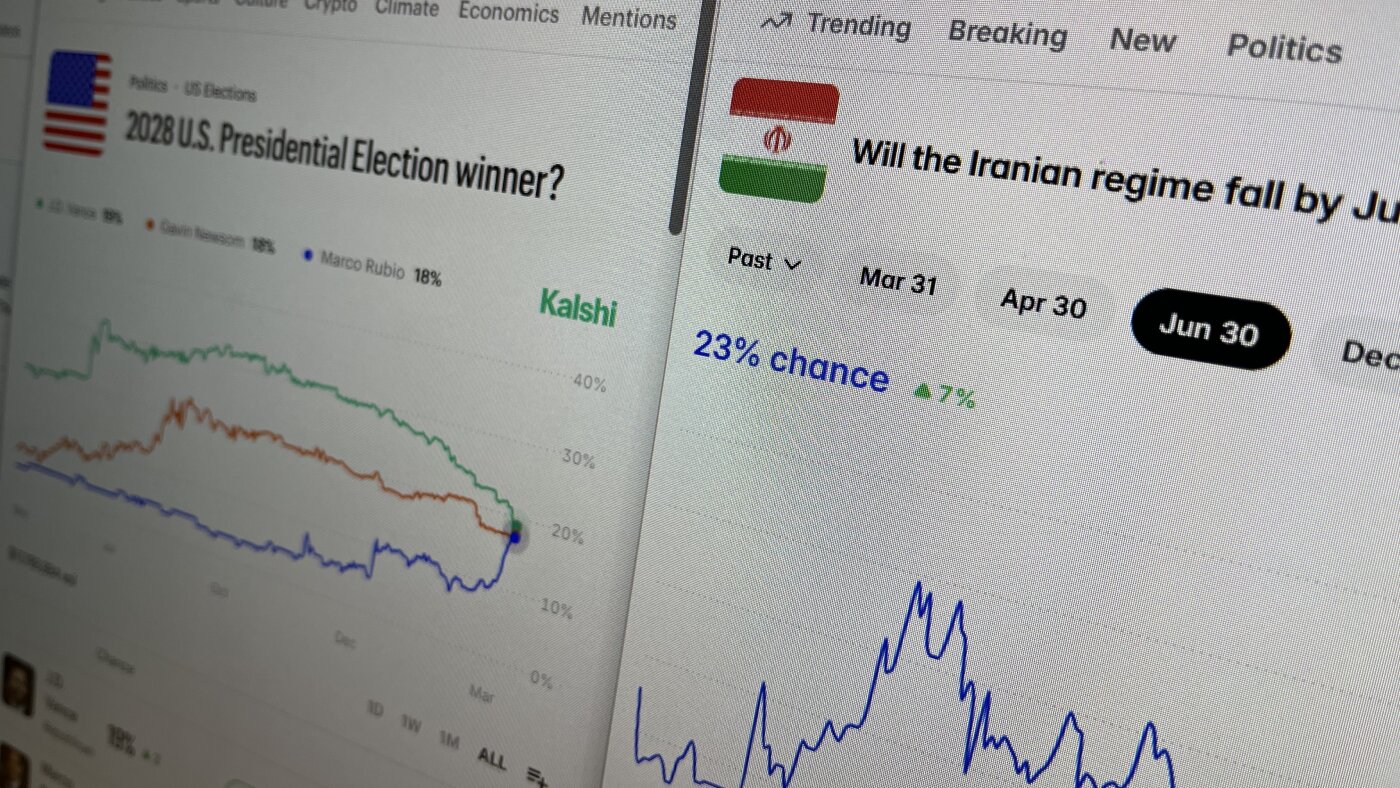
Recently, prediction markets have become a hub for high-stakes betting, drawing attention from lawmakers and raising concerns about insider trading. In particular, the run-up to a joint U.S.-Israeli military operation against Iran saw a trader, known as “Magamyman,” net $553,000 through strategic bets on platforms like Polymarket.
Senator Chris Murphy, D-Conn., voiced his concern on social media, stating, “it’s insane this is legal” and accusing individuals close to former President Trump of “profiting off war and death,” though he provided no evidence for his claims. The White House denied the accusation.
The involvement of U.S. lawmakers and their families in these markets has sparked debate over the potential misuse of sensitive information for financial gain, with calls for increased regulation and oversight.
“Nobody has said to me, ‘we’re making these bets,’ but I’m confident that they are,” remarked Sen. Jeff Merkley, D-Ore. He recently proposed legislation to prohibit members of Congress, the president, and the vice president from participating in prediction market bets.
Despite the rising popularity of platforms like Kalshi and Polymarket, there is little guidance on how government officials should report earnings from these markets. Merkley noted, “As of right now, there is no requirement to report event contracts, none whatsoever.”
Kalshi, a U.S.-regulated platform, requires user identification, while Polymarket operates with minimal regulation, allowing anonymous betting often facilitated through the use of cryptocurrencies and VPNs.
The Disclosure Dilemma
Financial disclosures for government officials do not currently address “event contracts” or “predictions markets,” creating a gap in transparency. Blake Chisam, a former House Ethics Committee chief counsel, described this as a “blind spot,” noting the rules were crafted for traditional investments, not prediction markets.
Sen. Merkley echoed these sentiments, calling the lack of regulation “a massive blind spot,” and emphasized the need to update disclosure requirements to include prediction markets.
“A Potentially Dangerous Path”
Representative Blake Moore, R-Utah, introduced legislation aimed at prohibiting certain event contracts related to war and elections. He warned, “It could go in a very bad direction if some staffer of some member of Congress… makes a profit.”
The Commodity Futures Trading Commission (CFTC) oversees most U.S.-based prediction markets, enforcing rules to prevent insider trading and requiring customer identification. Yet, some legislators remain skeptical of its effectiveness, advocating for state-level regulation.
The CFTC recently issued new guidance reaffirming its regulatory authority over prediction markets, emphasizing that contracts must not be susceptible to manipulation.
As the debate continues, the challenge remains to balance the growth of these markets with the need for transparency and ethical oversight.