The Resurgence of Cursive Writing in the Digital Age
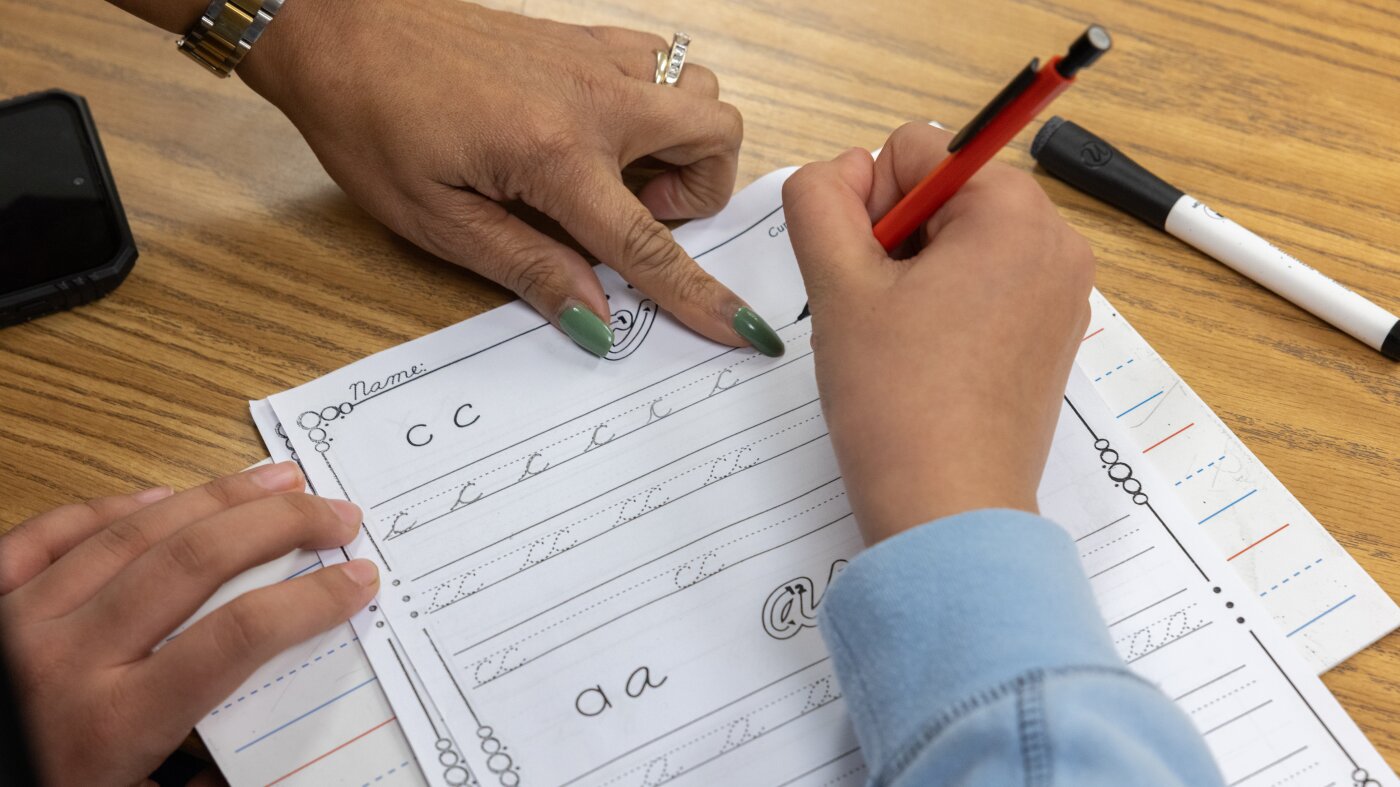
In an era dominated by technology, where keyboards and touchscreens reign supreme, a surprising trend is making its way back into classrooms: cursive handwriting. At Holmes Middle School in Alexandria, Virginia, an after-school cursive club led by teacher Sherisse Kenerson is drawing attention and sparking interest among students.
Twelve-year-old Sandi Chandee, who dreams of becoming a doctor, has taken a particular interest in cursive. She practices by memorizing words like “Pneumonoultramicroscopicsilicovolcanoconiosis,” which also helps her perfect her signature. Her fellow club member, Halle O’Brien, shares this enthusiasm, stating, “I prefer writing in cursive.”
The revival of cursive isn’t limited to Holmes Middle School. More than two dozen states have reintroduced cursive instruction into their curricula after the 2010 Common Core standards omitted the skill. Kenerson initiated the club when she realized her students couldn’t read her cursive writing on the board, prompting her to share the “magic of loopy writing.”
Kenerson’s initiative has gained widespread attention, earning mentions in local news and the Washington Post. She has even received fan mail from various states and conducted Zoom calls with educators interested in replicating her success.
Despite the resurgence, the debate over cursive’s educational value continues. Mark Warschauer, a professor at the University of California, Irvine, argues that cursive offers no additional cognitive benefits over print handwriting and considers it a “waste of time and effort.” He believes the focus should be on teaching students to be multi-modal, using print, cursive, and digital tools.
Shawn Datchuk, a professor at the University of Iowa, supports a balanced approach, highlighting the potential benefits of cursive in improving spelling and aiding students with dyslexia. California assemblymember Sharon Quirk-Silva, who introduced a cursive mandate, reports positive feedback from constituents, noting its therapeutic potential for students with special needs.
Kenerson’s club has become a microcosm of a larger generational divide. As technology advances, students like Antonio Benavides, who initially questioned the need for cursive, now appreciate the skill, recognizing improvements in their penmanship.
Steve Graham, a professor at Arizona State University, remains ambivalent about the cursive debate, suggesting that the fascination with cursive is more of an adult phenomenon. He emphasizes the importance of teaching kids to write, regardless of the method.
Back in the cursive club, students like Conrad Thompson take pride in their ability to read cursive documents, such as the Declaration of Independence. The club offers a sense of accomplishment and connection to history, leaving students eager to return each week.
This article was originally written by www.npr.org