The Artemis II Mission Achieves Historic Milestone
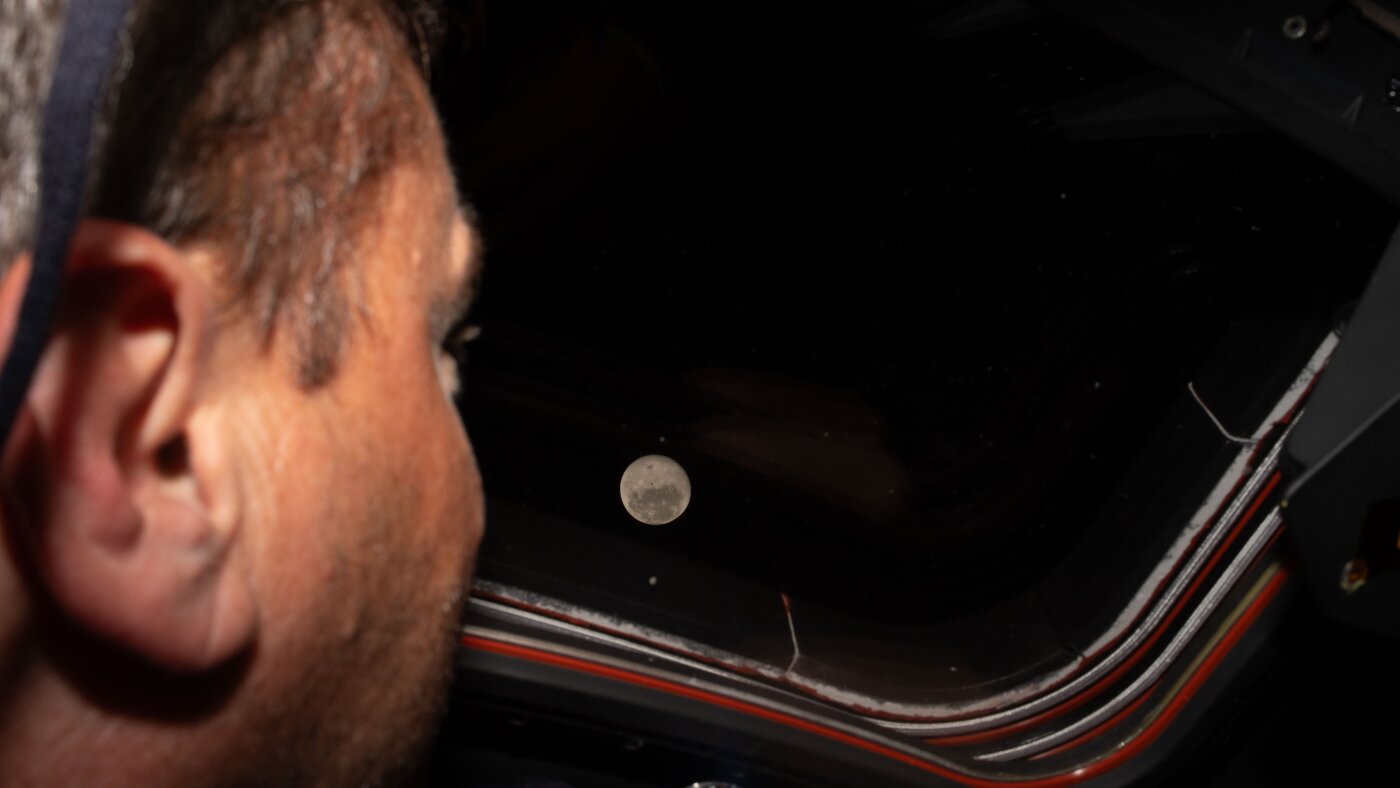
In a historic achievement, the Artemis II astronauts have set a new record for the farthest distance traveled from Earth by humans. The crew, led by Commander Reid Wiseman, also became the first to view some previously unseen areas on the far side of the moon.
Among the spectacular lunar sights, they identified several unnamed craters. Captivated by the opportunity, the crew decided to propose names for these features, aiming to leave a personal imprint on lunar history.
During a conversation with mission control, Mission Specialist Jeremy Hansen proposed naming the first crater “Integrity,” after their spacecraft. The second crater was suggested to be named “Carroll,” in a heartfelt tribute to Wiseman’s late wife, Carroll Wiseman, who passed away from cancer in 2020.
“A number of years ago, we started this journey in our close-knit astronaut family, and we lost a loved one … her name was Carroll, the spouse of Reid, the mother of Katie and Ellie,” Hansen shared on a NASA video, reflecting the emotional significance of the moment.
Hansen further described the crater as being in a “really neat place on the moon,” visible from Earth during certain lunar transits. “It’s a bright spot on the moon. And we would like to call it ‘Carroll,'” he added, visibly moved.
The crew shared an emotional group hug as mission control observed a moment of silence. Eventually, the response came through: “Integrity and Carroll crater, loud and clear. Thank you.”
While these names are not yet officially recognized, NASA plans to submit them to the International Astronomical Union after the mission concludes.
Wiseman’s Journey Balancing Space and Family
Reid Wiseman, a veteran Navy pilot and astronaut, described his time as a single parent as both the most challenging and rewarding experience of his life. Following his wife Carroll’s passing, Wiseman was appointed as the commander of the Artemis II mission.
In a Baltimore Magazine interview, he recounted how Carroll insisted they stay in Houston for his career despite her illness, saying, “This is where you work and you love your job. And we should not give that up for this.”
Wiseman’s daughters, initially apprehensive about his space missions, eventually supported his decision. “I want my kids to know that you can still achieve and go on and pick yourself up,” he shared. Contributing to the family spirit, his older daughter celebrated his selection by baking moon-themed cupcakes.
His recent social media post, taken with his daughters before the launch, expressed his pride: “I love these two ladies, and I’m boarding that rocket a very proud father.”
Understanding Lunar Naming Conventions
Naming lunar features is a tradition, often honoring late scientists, engineers, or explorers, according to NASA. Astronauts can propose names, as Jim Lovell did with “Mount Marilyn” during the Apollo 8 mission.
However, names only become official after approval by the International Astronomical Union. This organization, based in Paris, reviews and approves all celestial feature names following specific rules, including a prohibition on political or religious names unless they are historical.
Once approved, names appear in official documents like the Gazetteer of Planetary Nomenclature. While the process usually takes about a month, it can be prolonged, as seen with Mount Marilyn’s approval in 2017, decades after its proposal.
This article was originally written by www.npr.org