
Iran’s Diplomatic Ventures Amidst Stalled U.S. Negotiations
In a series of high-stakes diplomatic maneuvers, Iran’s foreign minister has embarked on a critical mission to gain international support amid stalled peace negotiations with the United States. While this diplomatic flurry has taken him to several key countries, a direct meeting with U.S. officials remains elusive.
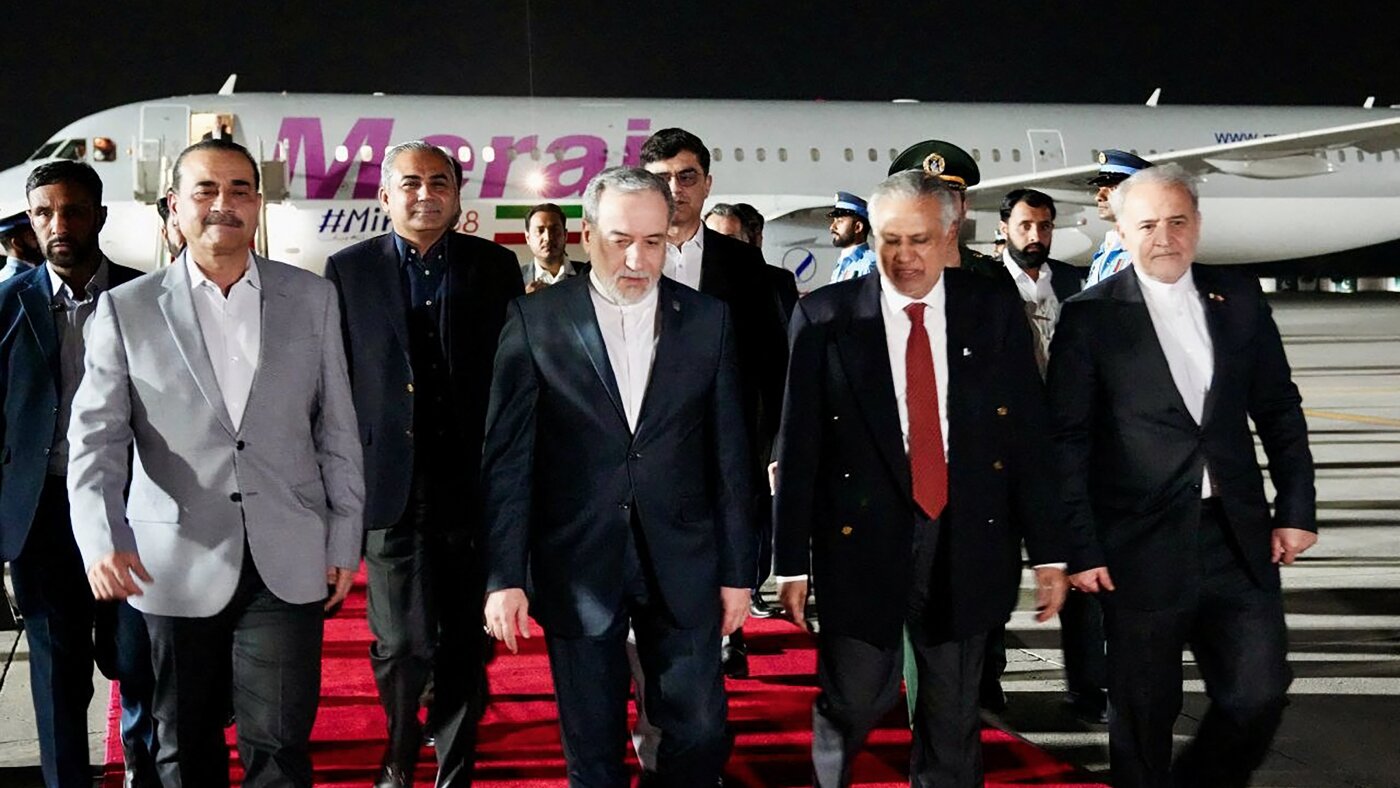
Iranian Foreign Minister Abbas Araghchi’s recent travels have highlighted Tehran’s strategic efforts to strengthen ties with regional neighbors and allies. His visit to Islamabad, Pakistan, which previously hosted U.S.-Iran talks, was followed by a trip to Oman. However, plans for U.S. delegates to visit Pakistan were abruptly canceled by President Trump, signaling ongoing tensions.
In Oman, Araghchi met with Sultan Haitham bin Tariq Al and his Omani counterpart, focusing on regional security and the strategic Strait of Hormuz. On social media platform X, Araghchi emphasized the importance of regional cooperation, stating, “Important discussions on bilateral matters and regional developments. As only Hormuz littoral states, our focus included ways to ensure safe transit that is to benefit of all dear neighbors and the world” (source).
Oman’s Foreign Minister Sayyid Badr bin Hamad Al Busaidi also underscored the crucial discussions about navigating the Strait of Hormuz, highlighting “a fruitful discussion on the Strait of Hormuz…. As two coastal states, we feel our shared responsibility toward the international community and the urgent humanitarian need to release the sailors who have been detained for a long time” (source).
After Oman, Araghchi returned briefly to Pakistan before heading to Russia, where he plans to meet with President Vladimir Putin. Discussions are expected to focus on “war-related developments and coordinate positions,” as reported by the state-affiliated Tasnim news agency.
Negotiation Challenges and U.S. Strategy
While in Pakistan, Iranian media revealed that Araghchi presented mediators with Iran’s negotiation “red lines,” which include nuclear issues and the critical Strait of Hormuz. Meanwhile, President Trump has maintained that dismantling Iran’s nuclear program is a fundamental U.S. demand.
Trump asserted on social media that the U.S. holds significant leverage, stating, “We have all the cards. If they want to talk, they can come to us, or they can call us” (source).
In response, Iran’s parliamentary speaker Mohammad Baqer Qalibaf challenged Trump’s claims, suggesting that the economic pressures on the U.S. are considerable. Qalibaf highlighted these issues through an economic equation shared on social media (source).
Despite these diplomatic efforts, Iran continues to face significant challenges due to the U.S. Naval Blockade. President Trump claimed Iran’s oil storage could reach capacity within days, but Amena Bakr of Kpler estimates the country has closer to 20 days at current production levels. Bakr noted that Iran could potentially reroute oil through a terminal outside the Strait of Hormuz, if logistical hurdles with the blockade can be overcome.
Contributions to this report were made by Aya Batrawy in Dubai and Kate Bartlett in Johannesburg.




