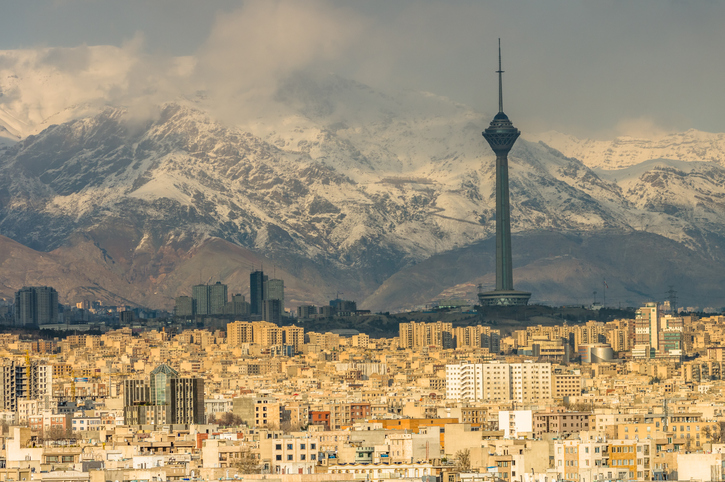
The worsening humanitarian crisis in Iran has prompted urgent calls for international assistance. According to United Christian Activists (UCA), shortages of essential goods including medicine and food are now endangering millions, particularly children, the elderly, and those with chronic illnesses.
UCA highlighted the increasing difficulty faced by ordinary Iranians in accessing life-saving medicines and basic necessities. The group argues that this crisis cannot be solely attributed to external political pressures.
“The reality is that a significant portion of the pressure on the Iranian people today is the direct result of the crisis-generating, war-driven, and tension-escalating policies of the Islamic Republic, policies pursued not to protect the interests of the people, but to preserve the power structure, suppress domestic discontent, prevent the emergence of the public’s protests, and exert pressure on international bodies in order to compel them to restrain actions by the United States and Israel,” UCA said.
Allegations have been made by UCA that the Iranian authorities are leveraging the hardships faced by citizens for political gain. The group also claims that foreign aid meant for civilians has been misdirected by state-linked organizations or the Islamic Revolutionary Guard Corps (IRGC) for illicit purposes.
UCA is urging global bodies such as the European Union, churches, and humanitarian organizations to find secure methods to deliver essential supplies directly to those in need. They emphasize the need for policymakers to discern between the Iranian populace and its government, holding the latter accountable for the current situation.
The UCA statement criticizes the lack of response from some international organizations that have been vocal in other global crises, stating, “Humanitarian principles, if truly universal, must not be selective, political, or dependent on geographical considerations.”
Amidst this turmoil, Eastern European Mission (EEM) sees a potential opportunity for spreading Christianity in Iran. The region’s instability may provide a “historic opportunity” to distribute Bibles and promote the Gospel, despite Iran’s ranking as the 10th worst country for Christian persecution by Open Doors.
Leaving Islam is illegal and can result in severe penalties, and Christian communities often face discrimination. However, EEM is preparing for a potential shift by printing nearly 90,000 Bibles in Iranian languages, including a new translation of the New Testament in Gilaki.
Dirk Smith, EEM’s vice president, emphasized the importance of prayer and peace while anticipating a rise in demand for the Bible should current restrictions ease.
This article was originally written by www.christiantoday.com