
Escalating Gas Prices: The Impact of the Iran Conflict
As tensions escalate in the Middle East, American consumers are feeling the pinch at the gas pump. With the closure of the Strait of Hormuz amid the ongoing conflict in Iran, fuel prices have surged, leaving many to question how high they will go.
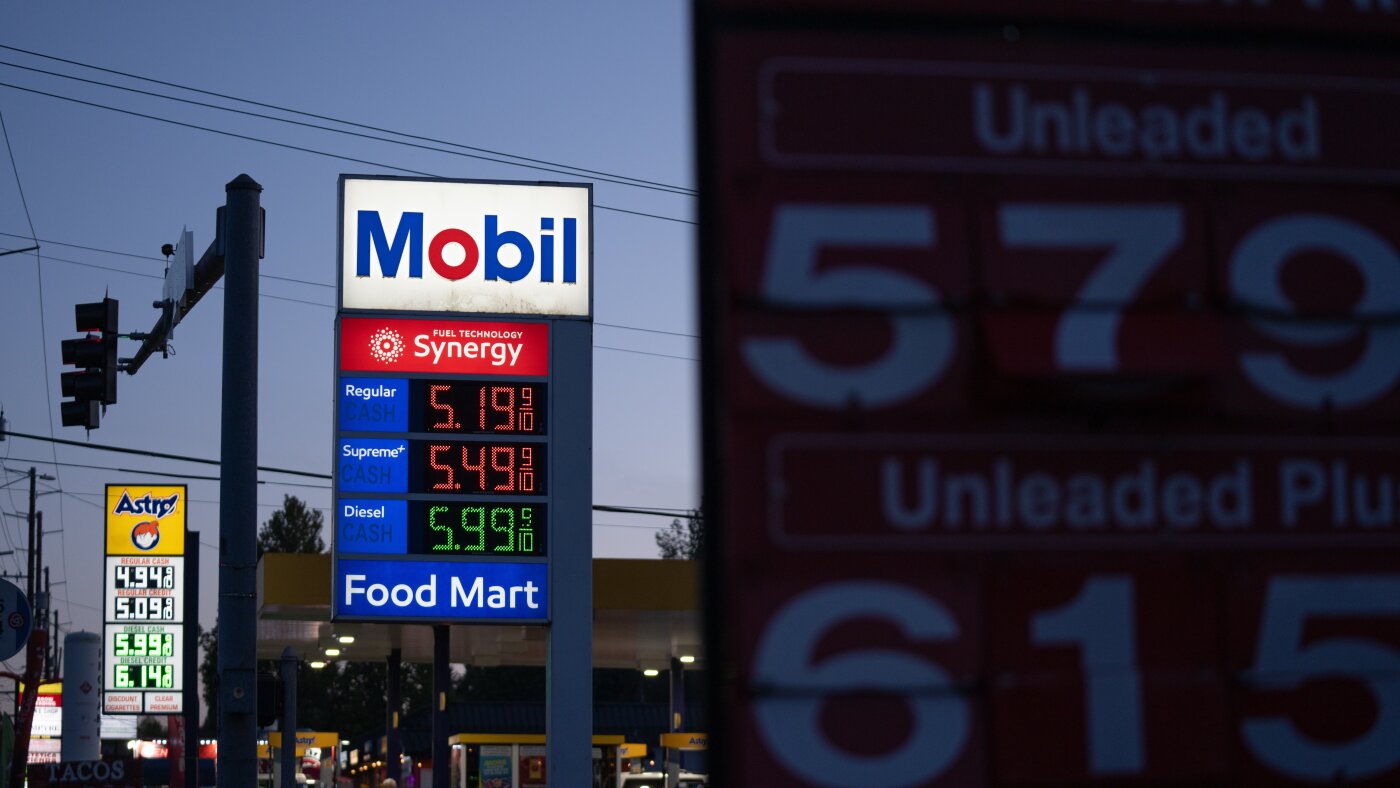
Gasoline prices at a Mobil gas station in Portland, Ore. Jenny Kane/AP
According to AAA’s fuel site, the average cost for regular gasoline has jumped more than 30 cents in a week, reaching $4.446 per gallon. This marks a significant increase from $4.099 a week ago and $3.171 a year prior. Before the conflict erupted, on February 26, gas was priced at an average of $2.98.
The current price levels are the highest experienced in the U.S. since late July 2022, as reported by the automotive group AAA.
President Trump has assured the nation that once the conflict in Iran concludes, fuel prices will “drop like a rock.” However, experts warn that the timeline for the war’s end is uncertain, and even if the Strait of Hormuz reopens, prices may not decrease immediately.
Kevin Book, co-founder of ClearView Energy Partners, noted that the closure of this critical trade route for oil and natural gas could push prices even higher. “When inventories are low and you can’t get oil out of the ground or out of the strait, you should expect prices to keep rising at least until demand capitulates and starts to contract,” Book told NPR’s Ayesha Rascoe.
Book highlighted that even after the strait reopens, it might take months for the trapped ships to clear, facilities to be repaired, and inventories to replenish. He further cautioned that a rapid drop in prices might indicate an economic downturn, saying, “It would probably be recession, undercutting demand, knocking the knees out from under the market.”
In response to rising fuel costs, the U.S. Department of Energy released 17.5 million barrels of crude oil from the Strategic Petroleum Reserve between March 20 and April 24, as per EIA data.
Adding to efforts to stabilize the market, OPEC+ announced plans to increase production by 188,000 barrels per day starting in June, aiming for “market stability” as reported on Sunday.
As fuel costs rise, the weakened U.S. dollar adds another layer of financial strain. The dollar has depreciated by about 10% since early January 2025, impacting the cost of imports and making foreign travel more expensive, according to Morgan Stanley’s analysis. While American exporters may benefit, consumers face additional challenges in managing their budgets.




