The Tense Standoff Between the U.S. and Iran: A Complex Diplomatic Puzzle
In recent months, the relationship between the United States and Iran has become increasingly strained, with President Donald Trump positioning himself as a master negotiator. However, his strategies have yet to yield the desired outcomes in dealing with Iran, a nation that has proven difficult to influence.
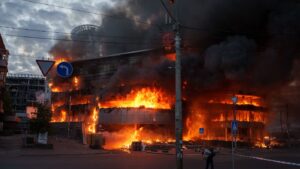
The tension escalated significantly following U.S. and Israeli military strikes on Iran at the end of February, leading to a 38-day military campaign. This has now transitioned into a tenuous ceasefire, with both nations maintaining blockades along the strategic Strait of Hormuz. The ongoing standoff has had profound effects on global energy markets, regional stability, and Trump’s political standing within the U.S.
On Monday, Trump announced the suspension of a planned military strike, citing requests from Gulf Arab allies. He further mentioned on Instagram that “serious negotiations are now taking place,” with countries like the United Arab Emirates, Qatar, and Saudi Arabia expressing optimism about reaching a satisfactory deal for the U.S.
Despite this pause, Trump has instructed military leaders to be prepared for “a full, large-scale assault of Iran” should negotiations fail. This cycle of threats and negotiations has become a recurring theme in Trump’s approach to the conflict, yet Iran remains steadfast in its position.
Challenges in Resolving the Conflict
Iran’s control of the Strait of Hormuz, a critical passage for global oil and gas, has been a significant factor in this impasse. The closure of this waterway has driven up energy prices worldwide, directly impacting American consumers. According to AAA, national gas prices have surged by over 50% since the conflict began.
Trump’s strategy of exerting economic and military pressure has seen success in other regions, such as Venezuela and Cuba, but Iran presents unique challenges. The nation holds significant leverage due to its ability to disrupt a vital energy chokepoint.
Both the U.S. and Iran appear to be in a waiting game, each hoping time will favor their position. Vali Nasr, an expert on Iranian politics, told NPR’s Morning Edition that Iran views Trump’s military threats as credible but is skeptical of his diplomatic overtures. Nasr stated, “Iran does not take him seriously when he says he wants to negotiate,” interpreting U.S. diplomacy as a delay tactic rather than a genuine attempt to reach an agreement.
Uncertain Future
The potential for the conflict to remain unresolved is a concern. Nasr doubts the current standoff is sustainable, noting that “the Strait of Hormuz cannot remain closed indefinitely.” The continuing blockade and its economic repercussions, along with the limitations of U.S. naval power, suggest the situation may reach a critical point within a month.
Although Iran has suffered battlefield losses, it maintains control over the Strait of Hormuz. However, its nuclear ambitions remain a contentious issue, with Trump threatening to dismantle Iran’s nuclear infrastructure, which Tehran insists is for peaceful energy purposes.
The White House asserts that its strategy is effective, with spokesperson Olivia Wales stating that “President Trump holds all the cards and wisely keeps all options on the table.”