A Legal Setback for Trump’s Kennedy Center Ambitions
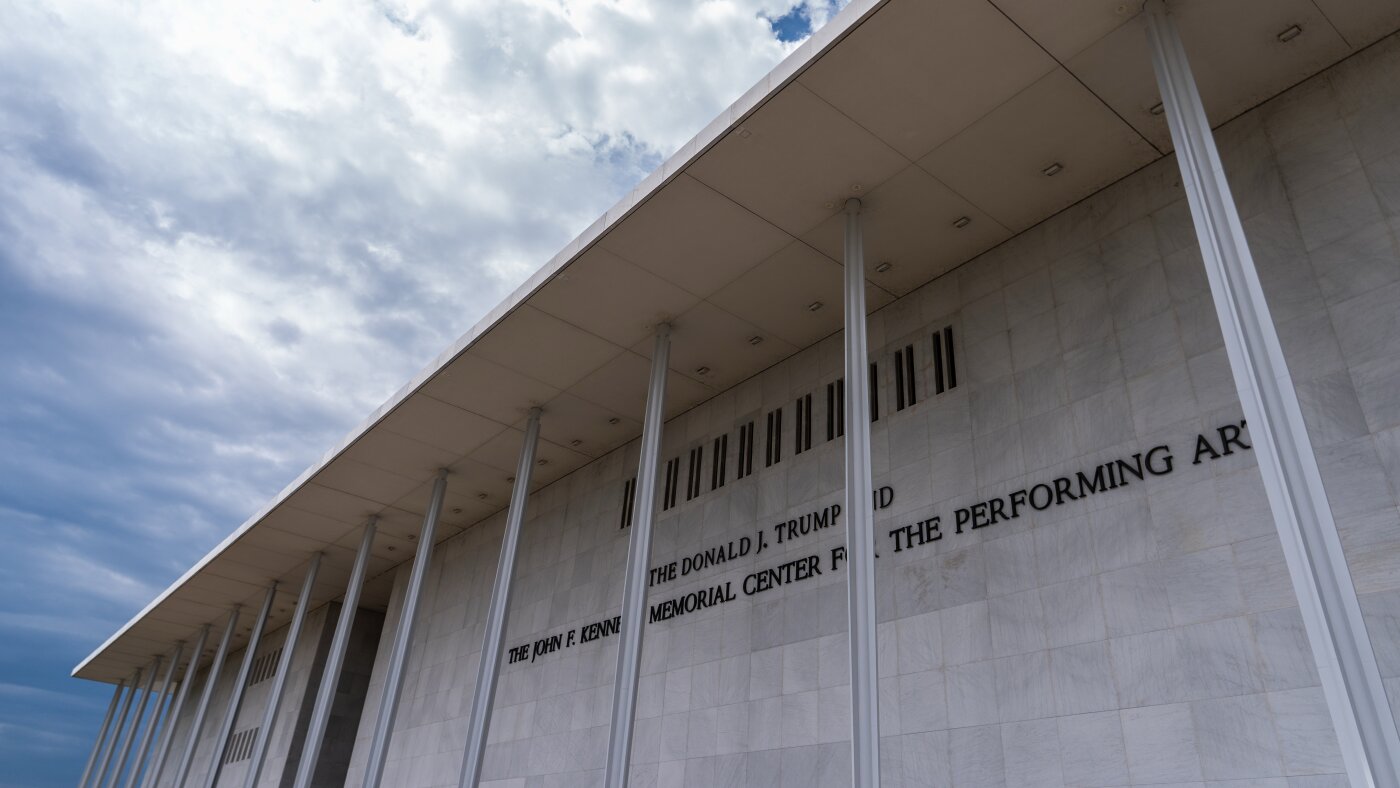
The Kennedy Center in Washington, D.C., finds itself at the center of a legal storm. A federal judge has ruled against President Trump’s proposal to rename the arts complex after himself. The judge’s decision also temporarily halts planned renovations.
In a ruling issued Friday, U.S. District Court Judge Christopher Cooper emphasized that the Kennedy Center’s name, honoring President John F. Kennedy, cannot be altered by unilateral decisions from its board. “The Kennedy Center’s organic statute makes crystal clear that the Center is to be named for President Kennedy, and it cannot bear any other formal name or public memorial based on the Board’s unilateral say-so. Congress gave the Kennedy Center its name, and only Congress can change it,” Judge Cooper stated.
A spokesperson from the Kennedy Center expressed intentions to appeal the decision. Roma Daravi, the vice president of public relations, highlighted the urgent need for restoration, supported by $257 million secured by President Trump and approved by Congress. “We remain committed to pursuing every lawful avenue to ensure the Trump Kennedy Center is restored as a national cultural landmark for all Americans to enjoy,” Daravi mentioned in an email to NPR.
Following the ruling, President Trump took to Truth Social to criticize Judge Cooper’s decision. He expressed concerns about the Kennedy Center’s financial and structural challenges and suggested he might step back from overseeing the institution unless allowed to implement his plans. A post on Truth Social detailed his stance: “Unless I am free to do what I do better than anyone else, bring this Institution back, physically, financially, and artistically, I have no interest in continuing what could only be a hopeless journey into ‘NEVER NEVER LAND.'” (source)
Judge Cooper’s ruling also mandates the removal of all references to “Donald J. Trump and John F. Kennedy Memorial Center for the Performing Arts” within 14 days. The decision blocks the commencement of a two-year renovation planned for July, casting doubt on the center’s immediate future. The judge labeled the renovation plans as “murky” and criticized the board’s lack of information before deciding on the closure. The center has already begun winding down its programming and dismissed most of its staff.
In another Truth Social post from February, Trump claimed a “one-year review” of the center was underway. Judge Cooper refuted this, stating that no such review had taken place.
The legal battle stems from a lawsuit filed by Rep. Joyce Beatty of Ohio, who lost her voting rights on the Kennedy Center board last year. Beatty praised the ruling, stating, “Today’s ruling rightly affirms that this administration’s efforts to rename and close the Center have no basis in law. The Kennedy Center is an institution that belongs to the American people, not to Donald Trump.”
While the ruling does not rule out future closures of the Kennedy Center, it advises that decisions be made with comprehensive information and consideration of the center’s dual role as a leading arts venue and a memorial to a fallen president.
This article was originally written by www.npr.org