Reflections on significant July 4th events by Irene Lancaster, Jewish academic and Hebrew scholar.
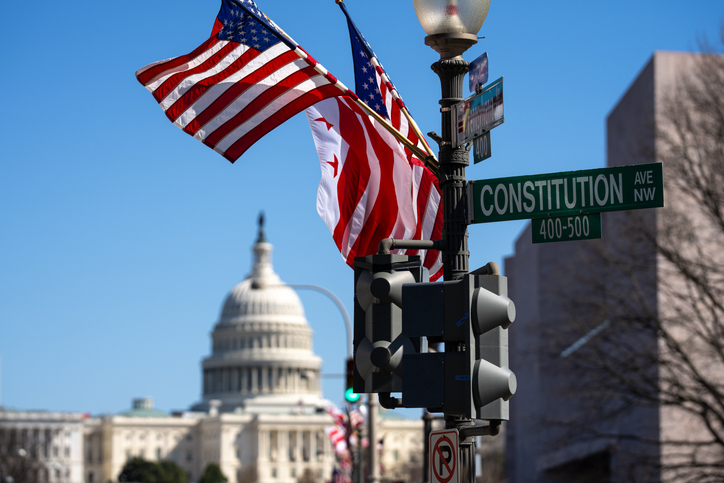
This year’s July 4th holds particular importance, marking several notable anniversaries and events. It’s not only the 250th birthday of the United States but also the 50th anniversary of Operation Entebbe and the second birthday of my granddaughter.
The coinciding Torah reading for this day is Pinchas (Numbers 25:10-30:1), which prompts reflection on the interconnectedness of these events.
The United States and Jewish Contributions
In celebration of the United States’ 250th anniversary, former President Trump proposed a national Shabbat to honor Jewish contributions to the nation. Shabbat, a day of rest and humility, symbolizes the Jewish influence recognized by the country’s Founding Fathers and early settlers. Unlike other regions where Jews were marginalized, America embraced Jewish culture, leading to mutual growth and understanding.
Operation Entebbe: A Legacy of Courage
July 4, 1976, also marks the anniversary of Operation Entebbe. This daring rescue mission resulted in the death of Yoni Netanyahu, brother of Israeli Prime Minister Benjamin Netanyahu, as he attempted to save hostages from a hijacked Air France flight in Uganda. The operation, also known as Operation Yonatan, was a pivotal moment in Israeli history, showcasing bravery and strategic planning despite significant risks and loss.
Yitzhak Rabin, Israel’s Prime Minister at the time, initially hesitated but was persuaded by Defense Secretary Shimon Peres to proceed, leading to a successful yet costly mission.
Reflections and New Beginnings
On a personal note, my granddaughter, born on this symbolic day, represents hope and resilience. Her family relocated to Jerusalem amidst regional conflict, relying on the support of an international community, including Americans and Britons, highlighting the enduring spirit of unity and support.
Lessons from the Torah
In “BaMidbar, the Book of Numbers,” Rabbi Nathan Lopez Cardozo describes the Pinchas portion as potentially justifying extreme actions for a greater good, a concept paralleled in the bold actions of Operation Entebbe. This poses the question of when breaking the law may serve a higher moral purpose.
Rabbi Cardozo and philosopher Karl Popper address the “paradox of tolerance,” arguing that unchecked tolerance can lead to the downfall of a tolerant society, echoing sentiments of past leaders like former UK Chief Rabbi Jacobovits.
American Ideals and Jewish Integration
The words of George Washington to the Jewish community of Newport in 1790 encapsulate America’s commitment to religious freedom and equality: “The citizens of the United States of America have a right to applaud themselves for having given to mankind examples of a large and liberal policy – a policy worthy of imitation.”
America’s foundation, as enshrined in the First Amendment, reflects these values, creating a nation where diverse cultures, including Jewish immigrants, have flourished and contributed significantly.
In conclusion, July 4th stands as a testament to not only historical events but also the enduring values of freedom, courage, and unity shared by both the United States and Israel.
This article was originally written by www.christiantoday.com