
The Controversial Arch Proposal in Washington, D.C.
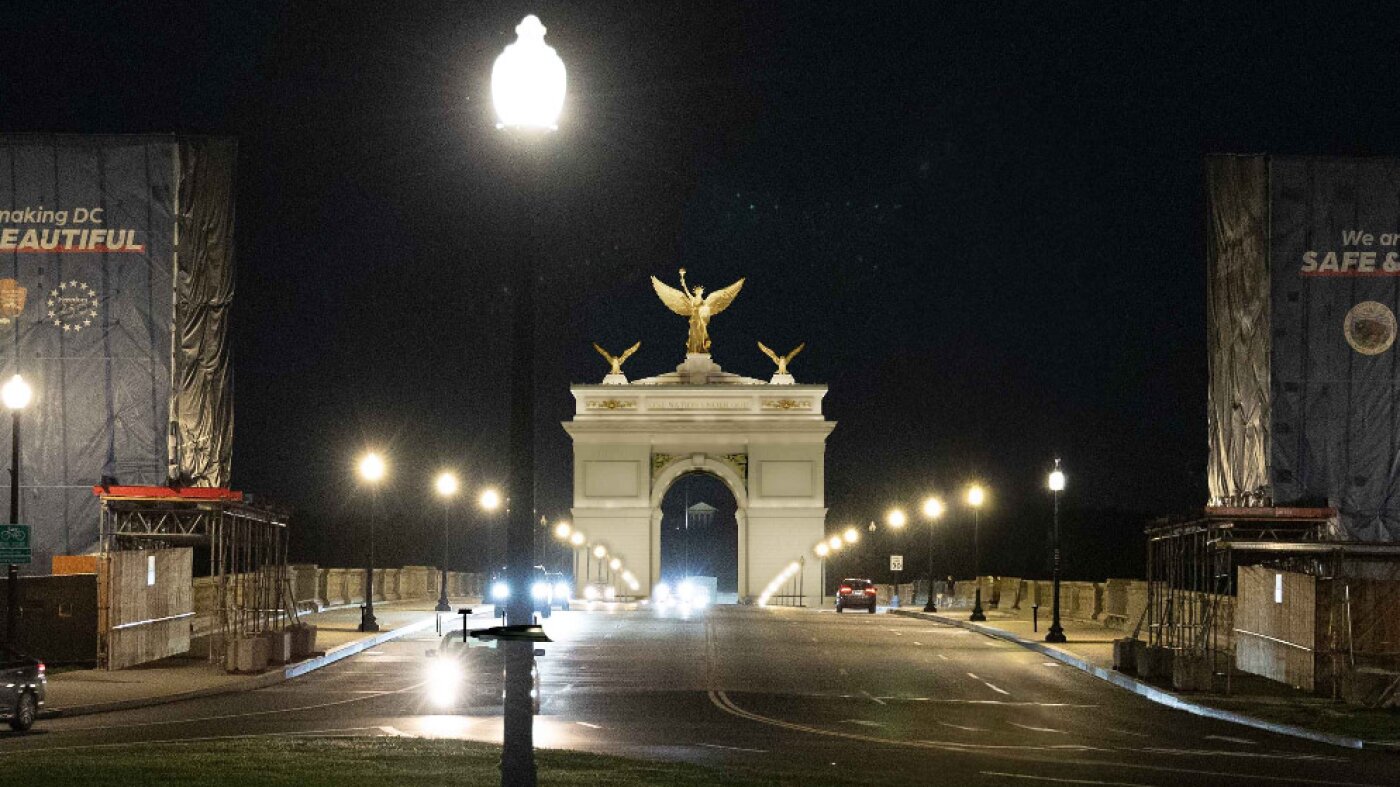
A proposal for a new architectural landmark in Washington, D.C., has sparked significant debate, with its swift approval process raising eyebrows among historians and architects alike. As the nation’s capital prepares to commemorate the 250th anniversary of the United States, plans for a 250-foot-tall triumphal arch have become the center of controversy.
In April 2025, design critic Catesby Leigh introduced the idea of constructing an arch in Washington, D.C., through a conservative think tank’s platform. Leigh suggested that the arch, envisioned as a symbol of national pride, should be erected to honor the country’s upcoming anniversary. The concept was accompanied by sketches, including designs from local architect Nicolas Charbonneau and the National Monuments Foundation led by Rodney Mims Cook, Jr., a former Trump nominee for the Commission of Fine Arts.
President Trump later endorsed the project, presenting the idea of building an arch at Memorial Circle, situated between the Lincoln Memorial and Arlington National Cemetery. Trump emphasized the lack of a triumphal arch in Washington, stating, “We don’t need anything from Congress,” during a public appearance in May.
A close-knit group of classical design advocates, many without formal architectural credentials, has significantly influenced the arch’s rapid approval process. Critics argue that the project bypasses traditional public review and planning procedures that have been in place for over a century. Charles Birnbaum, a landscape architect and founder of The Cultural Landscape Foundation, stated, “We’re seeing a complete avoidance of public review and public process that has underpinned this type of work since the Commission of Fine Arts was created in 1910.”
Traditionally, open competitions have determined the design of Washington’s most iconic memorials. However, Harrison Design, the firm responsible for the arch sketches shared by Trump and the National Park Service (NPS), was not selected through such a process. Instead, the firm became involved through connections and social media posts, with Charbonneau sharing his design on Instagram shortly after Leigh’s article publication.
By October, Trump was showcasing models of arches bearing the Harrison Design logo to donors at the White House. “Small, medium and large,” Trump remarked, expressing his preference for the larger model.
In April 2026, Interior Secretary Doug Burgum introduced Charbonneau as the “lead designer on this project” during a Commission of Fine Arts meeting. The proposed arch, at 250 feet tall, would be adorned with gold embellishments to match America’s 250th anniversary. Cook, the commission chair and a supporter of classical architecture, also endorsed the design.
Despite facing a federal lawsuit from Vietnam War veterans concerned about its impact on Arlington National Cemetery views, the project proceeded. The Commission of Fine Arts received nearly 1,700 public comments, predominantly negative, regarding the arch’s size, location, and potential pedestrian hazards. Nonetheless, the commission unanimously approved the design without a budget or finalized drawings.
The National Capital Planning Commission, with Trump’s appointees, later moved the project forward. Critics have expressed concerns over the lack of wide public and professional input, unprecedented for Washington memorials. Judy Feldman, chair of the National Mall Coalition, commented, “The whole idea is you’re at least given a chance to try to affect the decision making and to protect the National Mall.”
National Park Service’s Compliance Issues
Federal laws mandate consultations with various groups for projects affecting historic landmarks. However, the NPS only reached out to select historic preservation organizations after federal commissions approved the arch. Edward Stierli of the National Parks Conservation Association criticized the process, stating, “This is being jammed through.”
Consulted organizations had limited time for feedback, which some deemed insufficient. David Maloney, D.C. State Historic Preservation Officer, highlighted the expedited process’s inadequacy for a federally funded monument of this scale. Roger Kirchen, Virginia’s State Historic Preservation Officer, noted the inconsistency with legal requirements.
The arch’s design, framing the Arlington House, drew criticism for its symbolic implications. Roger Kirchen stated, “It injects an incongruous and conflicting imperialistic symbol into that space,” referring to the post-Civil War symbolism of the bridge connecting the Lincoln Memorial to Arlington.
Amidst criticism, the White House defended the arch as enhancing the Arlington National Cemetery experience and commemorating American heroes’ sacrifices. White House spokesperson Davis Ingle emphasized its role as “a visual reminder of the noble sacrifices borne by so many American heroes throughout our 250 year history.”




