FCC’s E-Rate Program Faces Scrutiny Amid Calls for Reform
In an era where connectivity is pivotal for education, the Federal Communications Commission’s E-Rate program, which provides discounted internet access to schools and libraries, is undergoing a significant review. This development has sparked concerns among educators and advocates who fear potential cutbacks to the program.
Since its establishment in the 1990s, the E-Rate program has enjoyed bipartisan support. However, the recent focus on its potential restructuring has left stakeholders like David Thurston, who oversees technology for 33 school districts in California’s San Bernardino County, apprehensive.
Spanning over 20,000 square miles, San Bernardino County encompasses diverse terrains, from urban areas to remote deserts. This infrastructure requires substantial investment, not only for installation but also for ongoing monthly internet bills. Thurston emphasizes, “There’s no doing without. School districts are gonna have to pick up the costs.”
A Proven Track Record
Since its inception in 1996, the E-Rate program has boosted internet accessibility in schools and libraries from 14% to nearly universal coverage. Despite its success, the FCC’s recent announcement of a comprehensive review has raised eyebrows, especially as the program is considered “healthy” by its own metrics, according to Thurston.
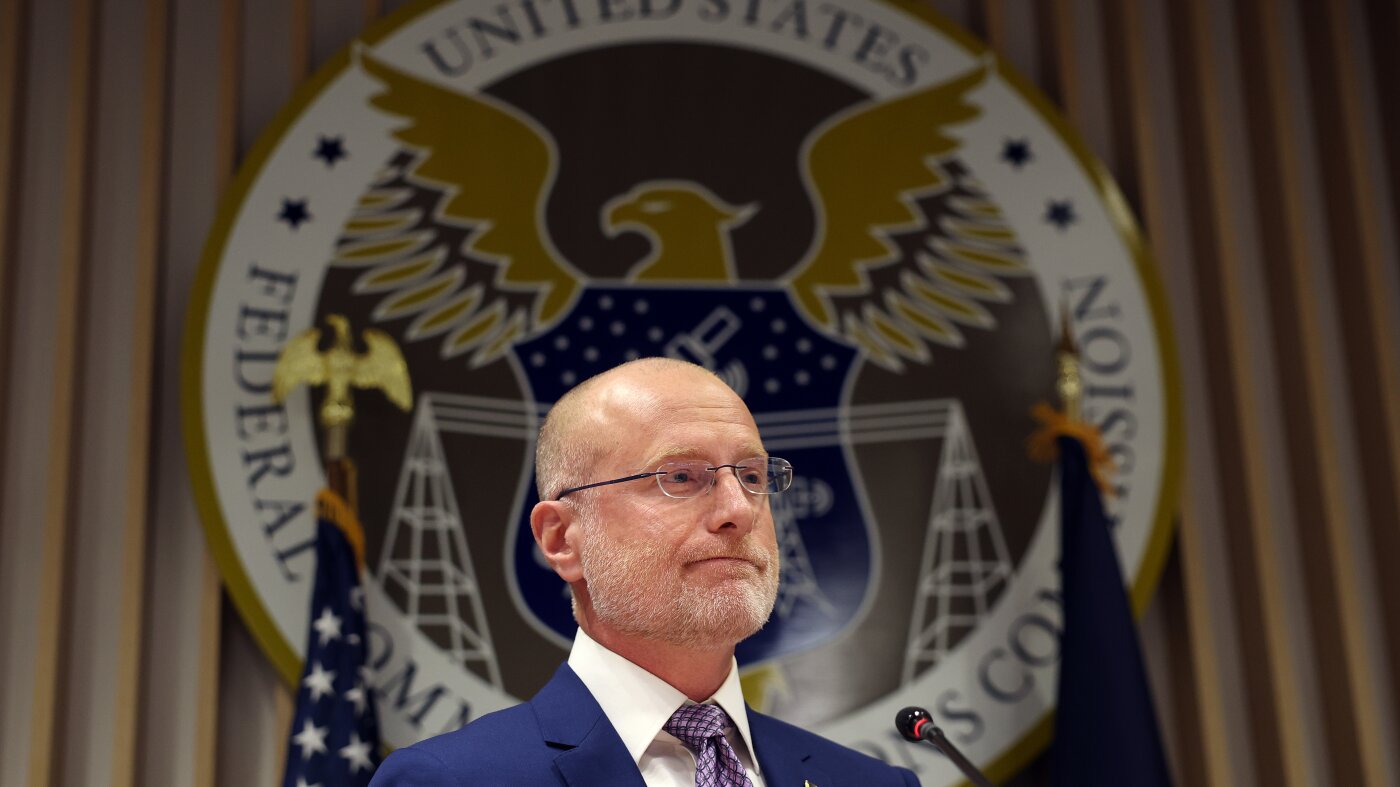
Some believe this scrutiny aligns with broader policy goals outlined in the Project 2025 blueprint, which targets federal broadband spending. FCC Chairman Brendan Carr, a contributor to this document, has cited concerns over children’s screen time as a reason for the review.
Despite these arguments, advocates like Josh Grolin from Fairplay argue against reducing E-Rate funding, suggesting instead that schools strengthen policies to limit screen time while retaining necessary internet infrastructure.
Implications for Rural Areas
In areas like rural Alaska, where internet service provider options are limited, the E-Rate program is crucial. Patrick Mayer, superintendent of the Alaska Gateway School District, highlights the program’s role in facilitating modern educational opportunities, stating, “It means the difference between having a school in the 21st century or a school in the 20th century.”
The potential changes to the E-Rate program could lead to significant financial strain, forcing districts to cut staff and services to cover internet costs. Mayer has taken proactive steps by meeting with legislators in Washington, D.C., to stress the program’s importance for Alaska’s students.
As the FCC prepares for a 60-day public comment period followed by a 30-day reply period, stakeholders are mobilizing to ensure their voices are heard in the ongoing debate over the future of the E-Rate program.