Global Leaders Convene to Address Left-Wing Political Violence Amid Controversy
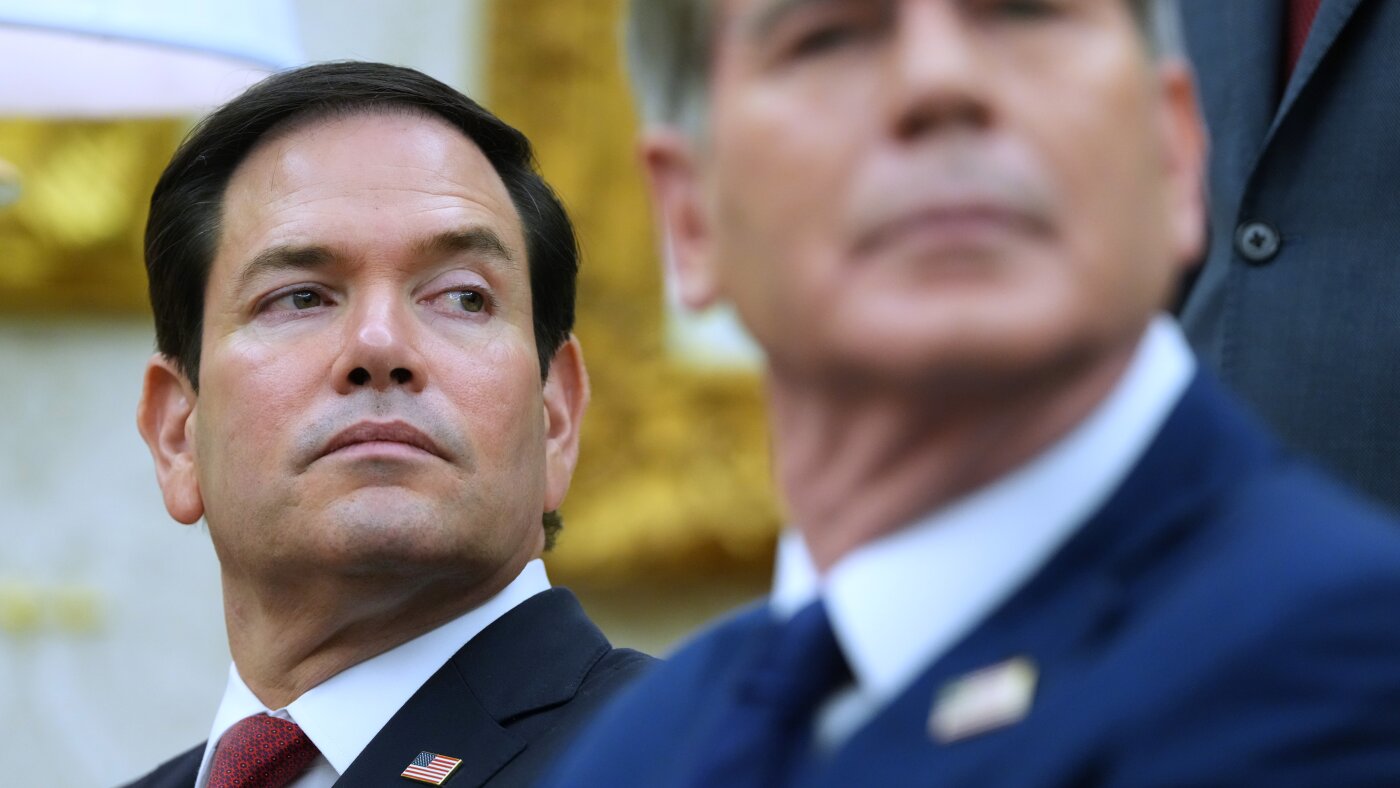
The Trump administration has taken a significant step by organizing an international meeting to tackle what it describes as the growing threat of left-wing political terrorism. Secretary of State Marco Rubio spearheaded the gathering, which drew leaders from over 60 countries, aiming to address a contentious issue just before the midterm elections.
The focus on leftist political violence comes despite studies indicating such incidents are relatively rare in the U.S., especially when compared to far-right violence. Rubio and other officials offered stark warnings about the “alarming rise” of left-wing political violence, urging international cooperation to combat this trend, which he argues has been overlooked in counterterrorism strategies.
“So many people in positions of power have repeatedly dismissed acts of violence and even terrorism as legitimate forms of political expression, so long as they served a left-wing cause,” Rubio stated in his opening remarks. “A bomb planted by a neo-Nazi group was ‘a nefarious and murderous act of evil.’ It is, but a bomb planted by a Marxist revolutionary; well, that’s just merely a tragic excess of idealism.”
A study from the Center for Strategic and International Studies noted that left-wing terrorist incidents had outnumbered far-right incidents for the first time in over 30 years as of July 2025. However, the uptick in left-wing incidents comes from a historically low baseline, contrasting with a significant decrease on the far right.
Republican Strategy Ahead of Elections
President Donald Trump and his allies are making a concerted push against leftist groups as the congressional elections approach. Trump has accused the Democratic Party’s left wing of attempting to dismantle the “traditional American way of life,” with Vice President JD Vance echoing these sentiments regarding a perceived communist shift in politics.
Rubio’s perspective is influenced by his Cuban heritage, attributing the rise of leftist movements to networks established by Fidel Castro’s government. Stephen Miller, Trump’s deputy chief of staff, emphasized the urgency of addressing these threats, likening it to defending one’s home from an intruder.
This narrative often conflates democratic socialism with communism, despite differences in policy goals and economic structure. The rhetoric has intensified following electoral successes by democratic socialists in New York City.
In response, the administration has imposed sanctions on European antifa groups, labeling them as terrorist organizations. Treasury Secretary Scott Bessent highlighted the importance of targeting these groups’ financial operations to disrupt their activities.
Rubio also announced a policy expanding visa restrictions for individuals affiliated with groups labeled as terrorist organizations, underscoring the administration’s commitment to leveraging financial counterterrorism measures domestically.