
Churches in Africa Extend Their Role to Vision Care Through Innovative Partnership
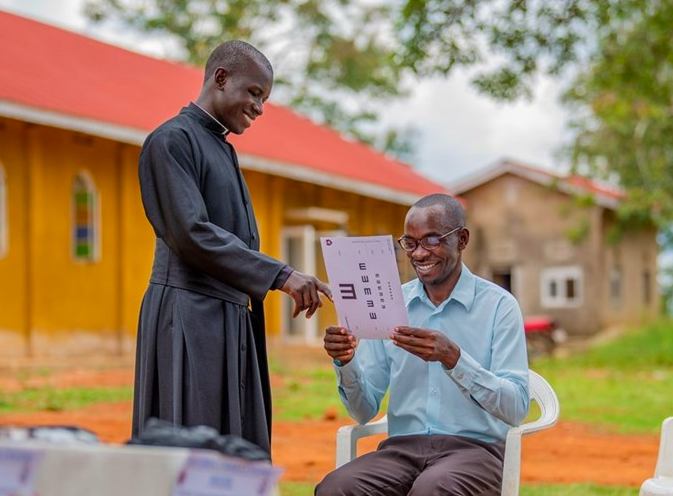
In many African countries, churches have historically served as vital community hubs, offering support where public services are lacking. A new collaboration between VisionSpring, a global social enterprise, and church networks in Uganda, Zambia, and Malawi is broadening this function. This partnership is empowering pastors to perform vision screenings and supply affordable reading glasses to their communities.
For numerous adults residing in low-income and rural regions, vision issues can impact daily activities, including earning a livelihood and reading religious texts. VisionSpring’s Reading Glasses for Improved Livelihoods initiative seeks to tackle this often-overlooked necessity, with churches playing a central role in the effort.
Christian Today interviewed Rev Irene Akuku, a health coordinator in the Church of Uganda, and Julius Mujuni, VisionSpring’s Uganda lead, to discuss the significance of church involvement in vision care and the potential lessons for churches globally.
Addressing an Overlooked Need
According to Rev Irene, the partnership with VisionSpring began a year ago in the East Busoga Diocese. “As part of the programme we were trained in how to screen people’s eyes and provide reading glasses. This is very necessary because many people have eye problems – some that we could not really address before,” she explained, highlighting the economic barriers many face in acquiring reading glasses.
Julius emphasized the severe shortage of eye care professionals in Uganda, a nation with over 50 million citizens but only around 200 ophthalmologists. “There are nearly 5 million Ugandans that need reading glasses and cannot easily access them,” he noted.
Rev Irene further explained how distributing glasses has improved the daily lives of congregants, enabling them to read Scriptures and perform everyday tasks more efficiently. More than 1,000 people have been screened, with nearly 700 receiving reading glasses at an affordable price.
Churches as Trustworthy Partners
The programme reflects the Church’s mission to cater to both spiritual and physical needs. “The Bible tells us in Matthew Chapter 6 that the eye is the light of the body,” Rev Irene remarked, underscoring the Church’s commitment to holistic care.
Julius highlighted the intrinsic trust communities place in churches, making them ideal partners for dispelling myths about glasses and promoting their use. “Trust is actually a major issue because for millions of Ugandans, the only people they’ve seen wearing glasses are people like head teachers or government officials,” he explained.
VisionSpring aims to normalize glasses wearing in low-income communities by offering them at $3 a pair, thus challenging misconceptions and making them accessible to all.
Personal Impact Stories
Rev Irene shared a touching story about a friend’s father whose life improved significantly after receiving reading glasses, allowing him to navigate daily life more independently. Julius also recounted numerous testimonials from individuals who have regained their ability to read and perform tasks such as financial transactions and farming activities with precision.
Future Aspirations and Wider Impact
Julius expressed hopes for expanding the programme, mentioning successful collaborations in Zambia and Malawi. “We see this as a long-term partnership,” he stated, emphasizing the Church’s crucial role in extending healthcare services.
Rev Irene expressed a desire to broaden the programme’s scope beyond vision care to address other health issues, as communities often present diverse challenges during screenings.
Encouraging Broader Participation
Julius noted the positive reception from pastors who have experienced firsthand the benefits of the programme. He advocates for more dioceses to participate, citing the immediate impact glasses have on reading and economic productivity.
The broader global Church could learn from this initiative by leveraging its trusted position to fill gaps in public services across various sectors, thus strengthening communities both spiritually and practically.
This article was originally written by www.christiantoday.com




