Iran Defies U.S. Economic Threats Amid Rising Tensions
As the geopolitical landscape intensifies, Iran has dismissed recent threats from former President Trump regarding a severe economic clampdown. This comes after years of enduring U.S. sanctions, which Tehran claims have been ineffective.
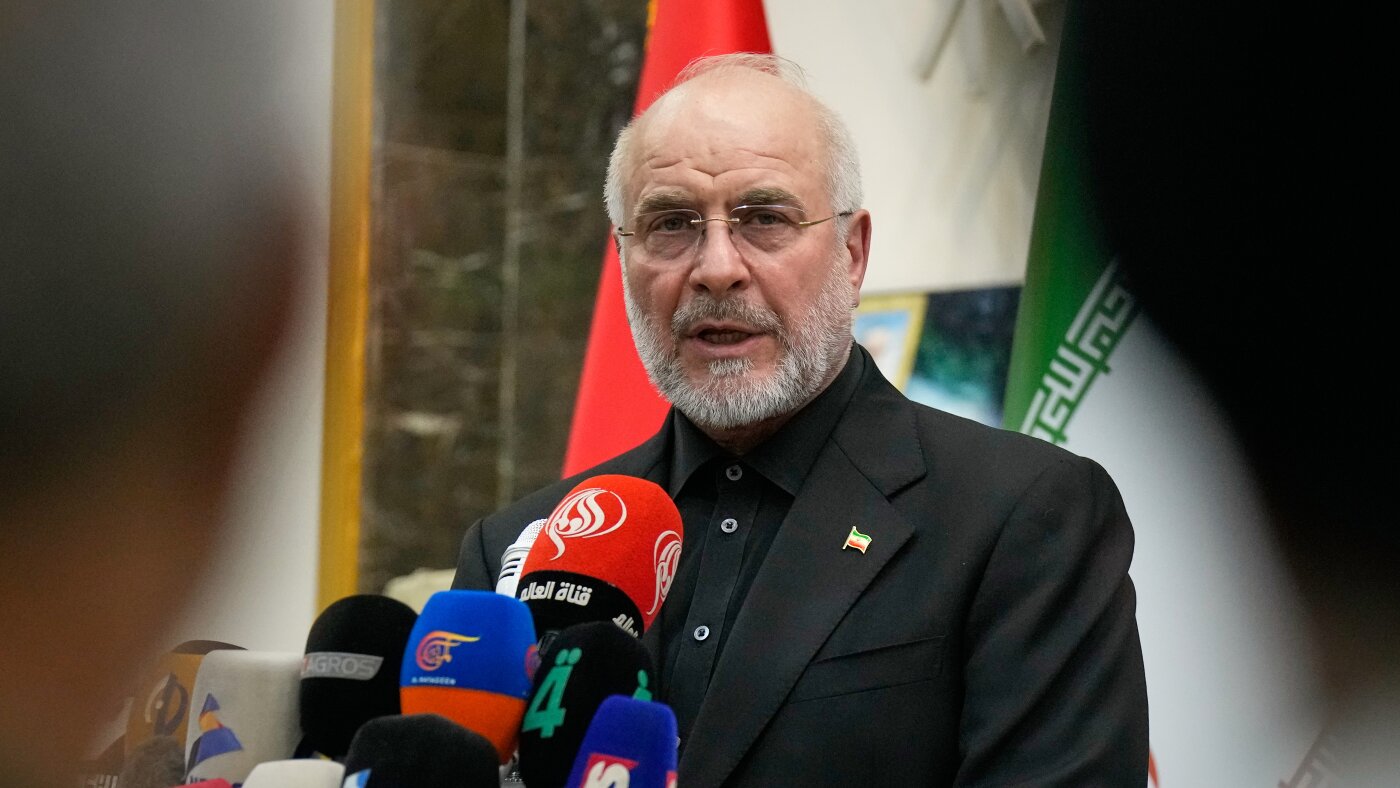
During a recent visit to Iraq, Iran’s parliamentary speaker, Mohammad Baqer Qalibaf, who plays a crucial role in negotiations with the U.S., remarked that Trump’s warning of an “economic D-Day” is a sign of Washington’s inability to confront Iran militarily.
“The Americans and the Israelis have realised that they cannot handle Iran…in the field of a hard military war, so they have entered into a cognitive war and an economic war,” Qalibaf stated.
Similarly, Iran’s Foreign Minister Abbas Araghchi criticized Trump’s strategy shift towards economic tactics, labeling it as ‘economic terrorism’ aimed at distracting from the U.S.’s own economic issues. Araghchi expressed on social media that this approach would only heighten anti-American feelings.
Trump, on Truth Social, pledged an unprecedented economic operation against Iran, urging allies to align with the U.S. His comments follow stalled peace negotiations and the expiration of a 60-day memorandum intended to end the conflict.
The U.S. continues to enforce a blockade, while Iran restricts movement through the vital Strait of Hormuz. Existing U.S. sanctions have already hindered Iran’s international trade significantly. In June, further measures targeted refineries and businesses dealing with Iranian oil. Treasury Secretary Scott Bessent has hinted at more secondary sanctions, targeting nations engaged with Iran, not just companies.
Trump wrote, “ANY country that allows its financial institutions, businesses, airports, or government entities to provide any type of lifeline to Iran will itself face TREMENDOUS Economic Consequences.”
Bessent, in an interview with CNBC, emphasized, “It is going to work in Iran and we are going to collapse this regime. It is time for our allies and the rest of the world to make a decision.”
China, a significant purchaser of Iranian oil, is notably affected by the potential of secondary sanctions. Bessent acknowledged China’s role but refrained from commenting on whether it would be specifically targeted.
Reacting to the situation, a Chinese foreign ministry spokesperson advocated for dialogue over sanctions, stating, “sanctions and pressure tactics are not the solution.”
Bessent plans a press conference on Monday to elaborate on the execution of Trump’s economic strategy.
Sina Toossi from the Center for International Policy in Washington highlighted that Iranian hardliners, prioritizing national security over economic issues, are ready to endure substantial economic sacrifices.
Report contributions by Emily Feng in Washington DC and Kate Bartlett in Johannesburg.