U.S. Plans New Sanctions on Iran Amid Rising Tensions
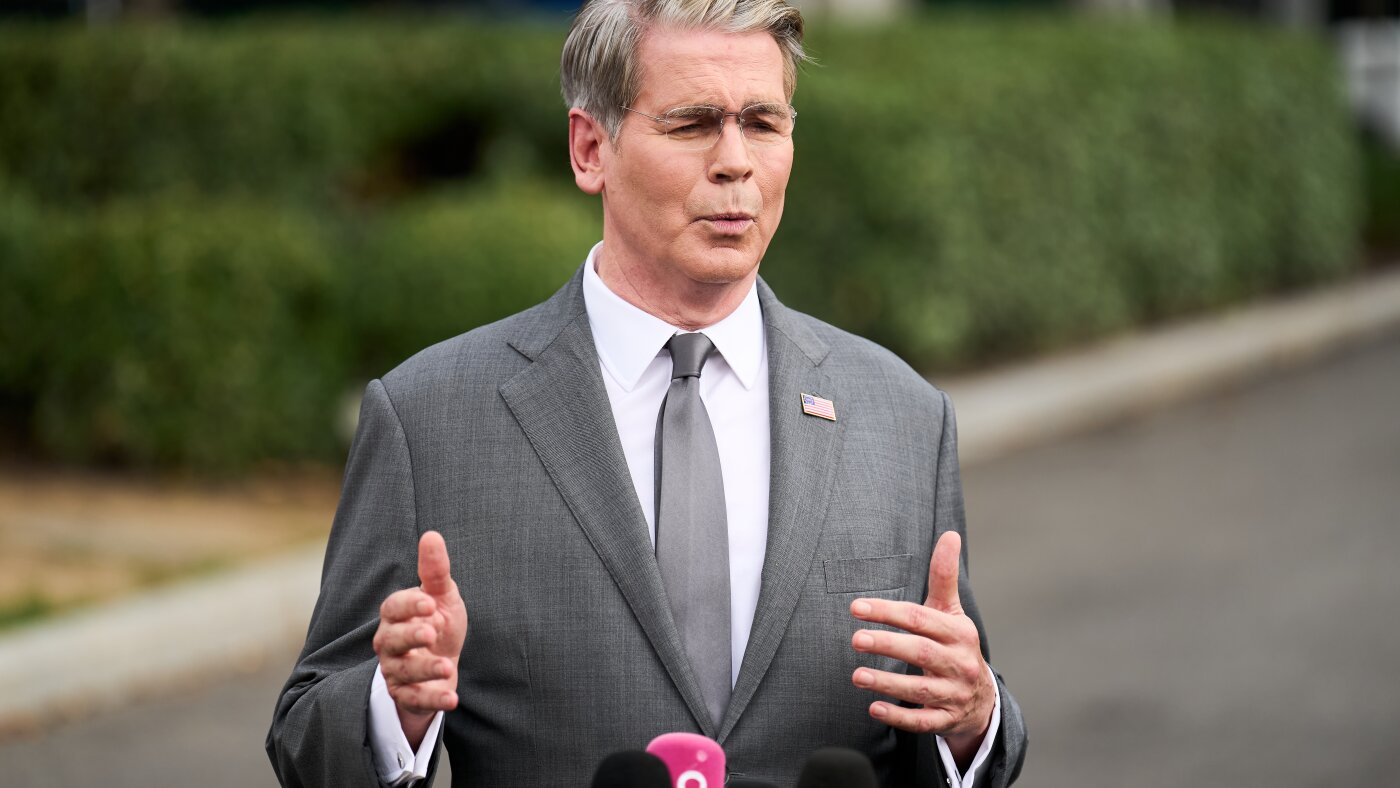
In a bold move set to escalate international tensions, Treasury Secretary Scott Bessent is poised to announce a fresh wave of economic sanctions against Iran. Describing this initiative as the “single greatest financial offensive ever,” President Trump has dubbed it an “economic D-Day”.
The Iranian Rial has already plummeted to unprecedented lows in anticipation of these sanctions, highlighting the economic strain Iran faces under existing U.S. restrictions.
Understanding the New Sanctions
The proposed sanctions aim to increase pressure not only on businesses but also on nations that support Iran economically. Previous sanctions, dating back nearly five decades, have already targeted various Iranian sectors. Notably, a U.S. naval blockade has been in place for several months, restricting goods entering Iran.
In an editorial for the Financial Times, Bessent emphasized the goal of cutting off all “economic lifeline” to Iran. He also called on countries trading with Iran to “consider the consequences of doing so,” specifically pointing to China, Iran’s primary oil purchaser.
However, experts like Alan Eyre, a former U.S. diplomat, question the potential effectiveness of new sanctions. Eyre expressed skepticism to NPR’s Emily Feng, stating, “there are no new sanctions that are effective” after targeting all possible avenues.
Iran’s Response to Sanctions
Iran’s security chief, Mohsen Rezaei, has warned of “seismic” retaliation against the U.S. and its allies for the impending sanctions. Rezaei, a former leader of the Revolutionary Guards, threatened Gulf states with repercussions if they support U.S. measures.
Since the onset of the U.S.-Israel conflict with Iran earlier this year, Iran has attacked U.S. bases in the region, causing significant casualties. Rezaei also threatened to disrupt oil tanker routes through the Persian Gulf, risking a further supply crisis.
The Gulf countries have yet to respond to these developments, although they have invested heavily in alternatives to the Strait of Hormuz for oil transport.
Impact on Iran’s Economy and Citizens
Iran’s economy, already reeling from longstanding U.S. sanctions, faces worsening conditions. Inflation has skyrocketed to nearly 90 percent, with many Iranians struggling to afford basic necessities.
NPR reports that citizens are relying on credit systems for essentials due to cash shortages. One Iranian woman shared her struggles with NPR’s Hadeel Al-Shalchi, fearing retaliation from her government. She noted the rising cost of life-saving medications and frequent power outages exacerbating daily challenges.
The economic hardship has fueled protests, which were met with a harsh government crackdown, reflecting the urgent need for solutions to alleviate the plight of ordinary Iranians.