The Implications of USPS’s Plan for Mail-In Voting
With the upcoming midterm elections, the Trump administration’s proposal to modify mail-in voting procedures has sparked a legal battle. The administration is seeking the Supreme Court’s intervention to lift a temporary restraining order that currently hampers these changes.
The core of the dispute is a request by the Trump administration to remove judicial blocks on the U.S. Postal Service’s plan. This plan, integral to President Trump’s strategy to limit mail-in voting for the midterms, is temporarily halted by a federal judge’s order in Boston.
Here’s a breakdown of the current situation regarding mail-in voting for the midterms:
Current Status of Mail-In Voting
Despite the USPS plan, mail-in voting remains unaffected for the midterms. Voters eligible for mail-in voting can still access this option, as the court order has halted critical components of the plan. The USPS is expected to handle the delivery of ballots in the usual manner.
Potential Changes from the USPS Plan
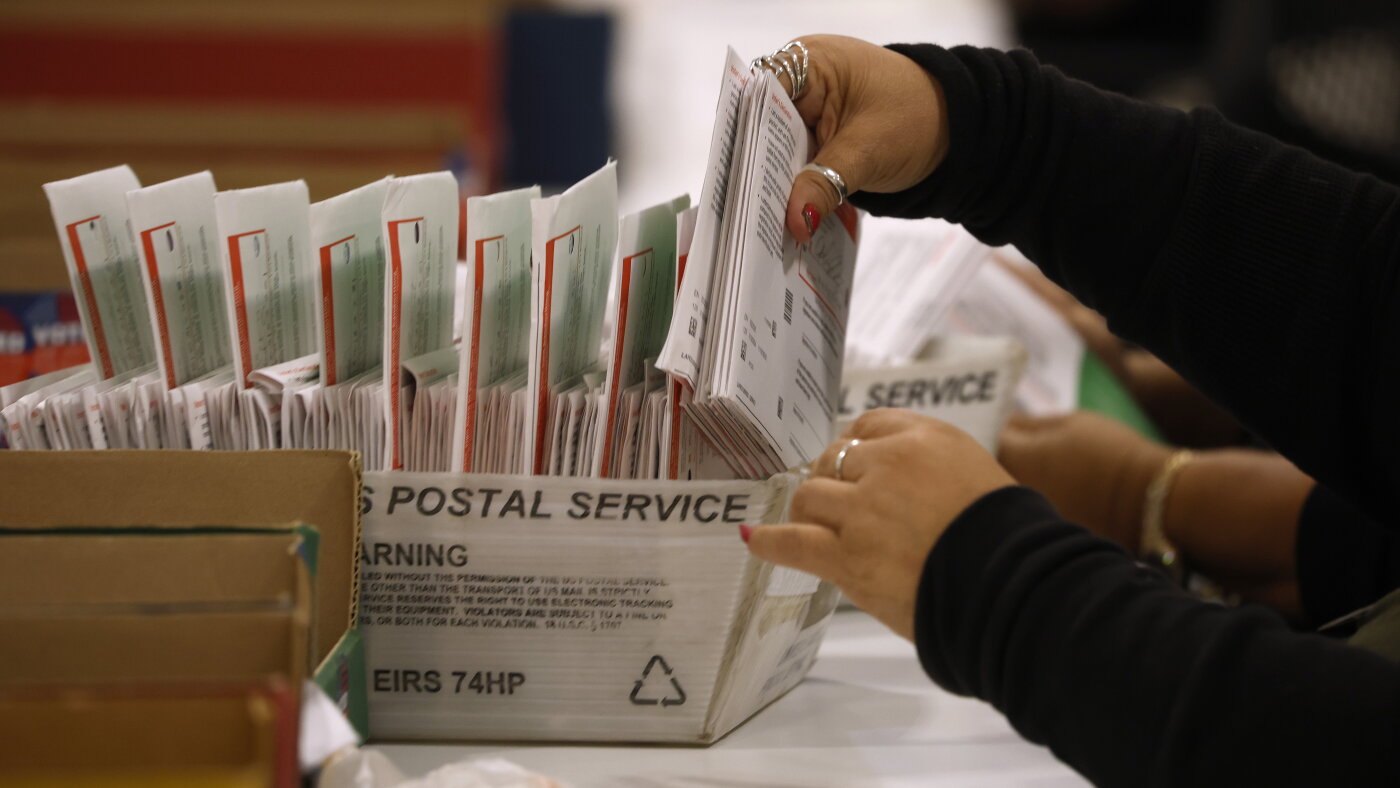
If implemented, the USPS plan would require state election officials to provide lists of mail-in voters and include specific barcodes on ballot envelopes. According to a revised rule from August, failure to comply would result in USPS not delivering ballots for those election offices.
Timeline for Mail-In Voting
North Carolina is set to begin mailing absentee ballots on Friday, marking the start of the midterm voting period. Other states are expected to follow suit later this month, as outlined by the National Conference of State Legislatures.
Feasibility of Implementing the USPS Plan
Experts believe it is too late to implement the USPS plan without significant disruption. A whistleblower report has raised concerns about the lack of testing for the information portal and potential delays in ballot delivery.
Legal Challenges to the USPS Plan
The USPS plan emerged following a March executive order by President Trump aimed at preventing illegal voting. However, studies indicate such voter fraud is rare. Critics argue the USPS lacks the legal authority to enforce these changes, while USPS maintains it seeks to enhance mail regulation.
Supreme Court’s Involvement
Although the Supreme Court addressed a procedural aspect of the lawsuit in August, it has not yet ruled on the legality of Trump’s executive order or the USPS plan.
Editor’s note: USPS is a financial supporter of NPR.
Edited by Megan Pratz