Federal Student Loan Repayment Issues Surface at Over 500 U.S. Institutions
Amidst growing concerns over student debt, recent data has unveiled a concerning trend among American higher education institutions. According to the U.S. Education Department’s latest data on nonpayment rates, more than 500 colleges and universities have at least 40% of their recent borrowers failing to repay federal loans.
The data encompasses about 17 million borrowers who began repayment between January 2020 and May 2025. Eileen Connor from the Project on Predatory Student Lending described the statistics as “jaw-dropping,” as many institutions report that over half of their borrowers are either delinquent or have defaulted on their loans.
Pandemic Disruptions and Institutional Accountability
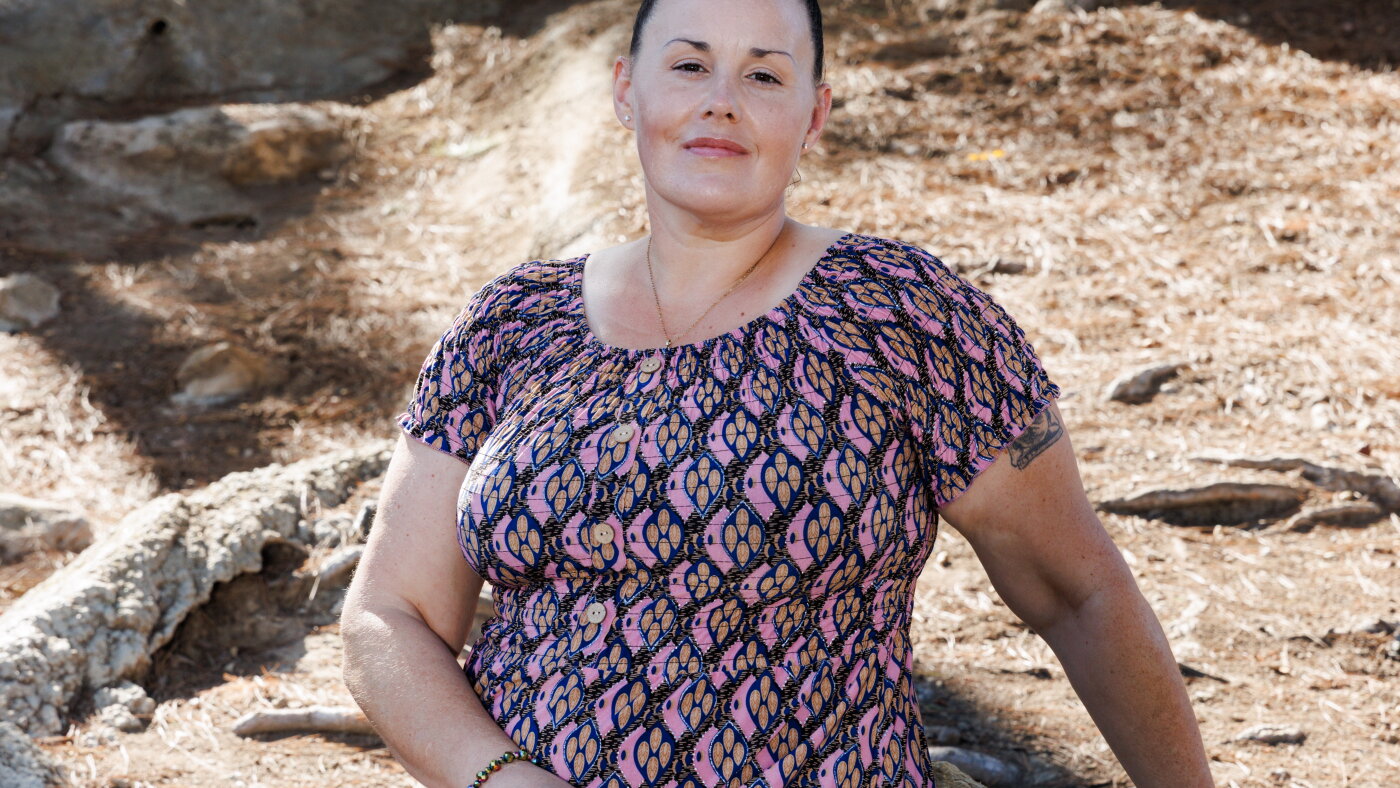
Various factors, including pandemic-related disruptions, have contributed to confusion among borrowers. However, stories like that of Lisa Collenbaugh suggest that some institutions might be failing in their duty to provide valuable education. Collenbaugh enrolled in a UEI College program over a decade ago, investing nearly $20,000, but found the training inadequate. “I thought that I was gonna actually be prepared for a career path…” she recalls.
The data raises not only concerns for borrowers but also for taxpayers, as many for-profit schools primarily rely on federal student aid.
For-Profit Schools Under Scrutiny
The majority of the institutions with high nonpayment rates are private, for-profit schools. Out of 500, only 15 are public. The rest, 424 in total, are for-profit, echoing concerns from the Obama era when similar schools faced closures.
Institutions like Tulsa Welding School and Miller-Motte College exhibit alarming nonpayment rates, with a significant number of borrowers failing to make payments. Cosmetology and barbering schools, such as Legends Barber College, also feature prominently on the list.
Challenges in Loan Repayment
UEI College, where Collenbaugh attended, has a nonpayment rate of approximately 55%. Despite her efforts to improve her life through education, she struggled with course content and externship requirements. The school has since halted the computer systems program she participated in, citing poor outcomes.
Joseph Cockrell, a spokesperson for UEI, mentioned the school’s commitment to reviewing programs that do not deliver expected results. Yet, the narrative of financial hardship among students like Collenbaugh persists, highlighting systemic issues.
An Overreliance on Federal Aid
Many of these institutions would likely face closure without federal aid. The closure of Florida Career College (FCC) serves as a cautionary tale about reliance on government funding. With the majority of revenue at some schools coming from federal aid, the sustainability of such institutions is questionable.
Eileen Connor from the Project on Predatory Student Lending criticizes this dependency, suggesting it reflects predatory lending practices.
Imminent Federal Accountability
While current nonpayment rates do not immediately trigger federal penalties, the resumption of the cohort default rate test could change that. If a school’s default rate exceeds certain thresholds, it risks losing access to federal aid.
Additionally, a new “do no harm” test will soon evaluate program outcomes based on graduate earnings. Institutions may lose federal loan access if graduates earn less than non-college workers.
As for Lisa Collenbaugh, she has found stability in her current work, yet she continues to bear the financial burden from her incomplete education.
This article was originally written by www.npr.org