In a surprising shift in U.S. foreign policy, President Donald Trump has reached an agreement with Russian President Vladimir Putin to secure diesel supplies from Russia. This deal, coming shortly before the U.S. midterm elections, marks a significant change in the U.S. stance on Moscow, especially given the ongoing conflict in Ukraine.
Trump revealed on social media that Russia has agreed to provide over 300,000 tons of diesel immediately, with plans to supply an additional 500,000 tons in November and one million tons soon after. The total shipment will ultimately reach 3 million tons in a short timeframe.
This announcement follows Trump’s recent enactment of a law imposing extensive sanctions on Russia, targeting its energy sector among others. The sanctions were designed to curb Moscow’s economic support for its military efforts in Ukraine.
Response from Ukraine and U.S. Officials
Ukrainian President Volodymyr Zelenskyy expressed disappointment, describing the decision as weak and questioning the trustworthiness of U.S. partnerships. He voiced concerns that this move could prolong the conflict in Ukraine.
Meanwhile, Rep. Don Beyer criticized the deal, calling Trump’s decisions regarding Russia “infuriating” and a breach of trust when dealing with sanctions and tariffs.
Details of the Diesel Agreement
The specifics of the diesel purchase, including payment terms and delivery timelines, remain undisclosed. The White House has yet to clarify if the diesel will be available to U.S. markets before the upcoming elections.
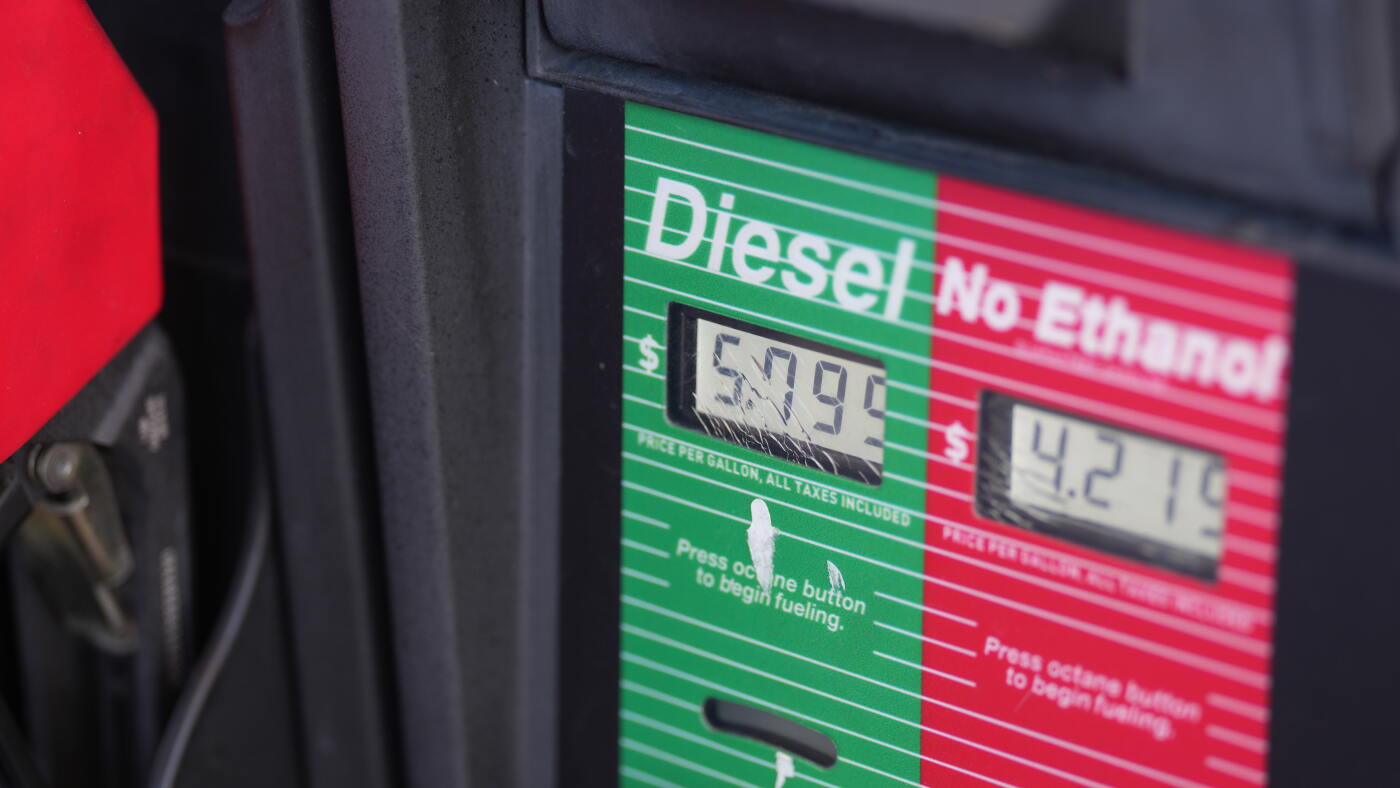
The urgency of the agreement is underscored by rising global gas prices, with the U.S. diesel average reaching $6.23 per gallon, despite a slight dip following the deal’s announcement.
The Kremlin confirmed the discussions between Trump and Putin, emphasizing the potential positive impact on the global economy from Russia’s readiness to supply oil and derivatives.
Backlash and Economic Implications
The deal has sparked controversy, with critics claiming it supports Russia’s military actions. Zelenskyy warned that it would facilitate further aggression from Russia.
The legislative measures previously signed by Trump included potential sanctions on Russian officials and entities, as well as tariffs on countries importing Russian oil. However, the current agreement seems to contradict these policies.
Temporary Sanction Easing
Following the announcement, the U.S. Treasury Department issued a temporary license allowing Russian diesel into the global market, effective until April 2027. This move extends previous sanctions easing measures related to fuel, reflecting the broader economic challenges posed by the ongoing conflict in Iran.
Russia, having ceased diesel exports in July due to internal supply issues and infrastructure damage from Ukrainian attacks, is now preparing to resume deliveries, potentially starting in October.