With a pivotal election approaching and questions of democratic participation echoing through every corner of American civic life, faith communities are finding themselves at the center of some of the most consequential conversations about power, accountability, and who gets a voice. From papal governance to ballot-box courage, the lines between religious life and democratic life are blurring in ways that demand attention from anyone who cares about the health of our republic.
Faith and the Courage to Participate
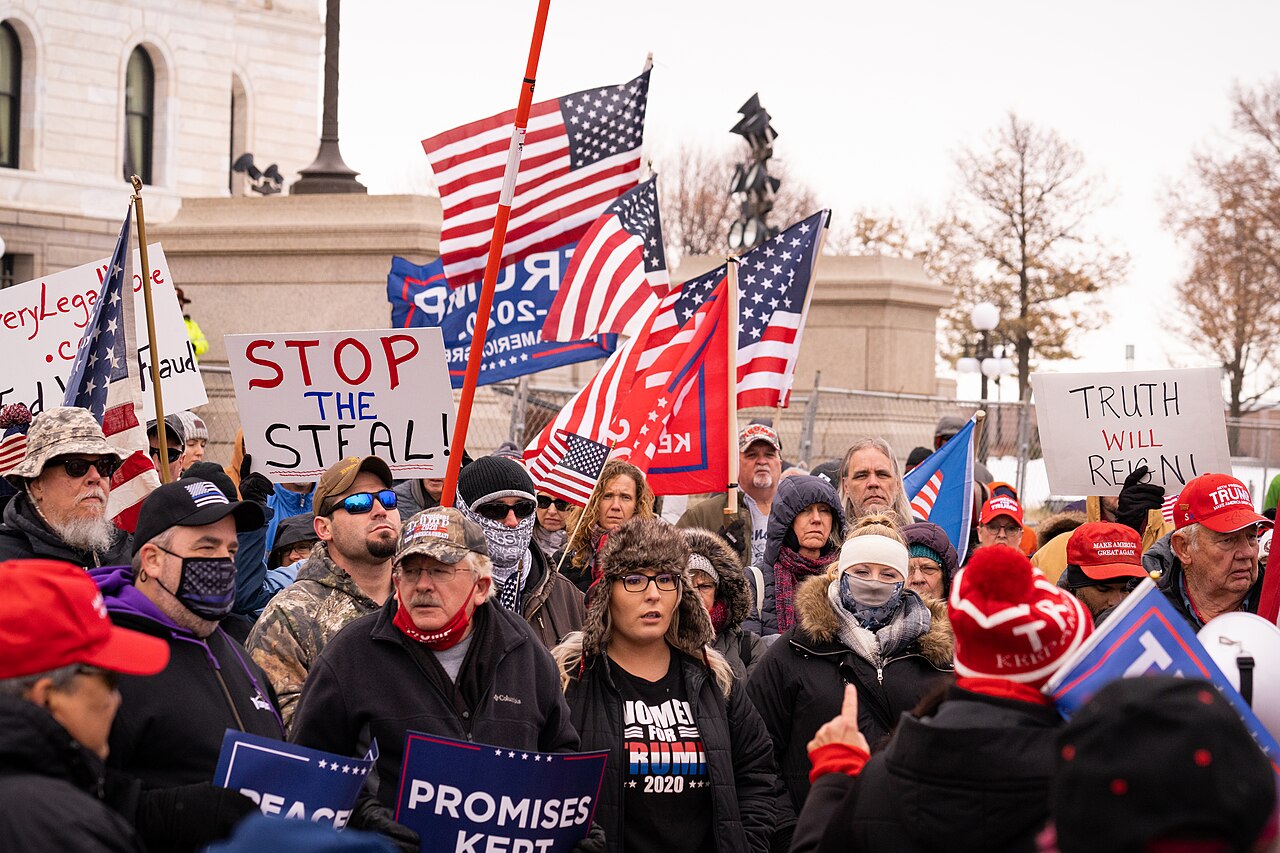
As Election Day draws closer, one of the most urgent questions facing American voters is whether fear will keep them home. In a new opinion piece at Religion News Service, Bridget Moix confronts that question directly. Her essay, “Let’s show up this election season with love, not fear,” argues that the current political climate — shaped in part by rhetoric she describes as creating fear, doubt, and intimidation — does not have to define how citizens show up at the polls. For Moix, the antidote to political fear is a principled, love-driven commitment to democratic participation. It’s a message that resonates for anyone who believes that every eligible voter deserves the freedom to cast their ballot without intimidation.
That conversation about who holds power and how they use it extends into a podcast discussion from The State of Belief, where host Paul Brandeis Raushenbush explores how ordinary people can move from feeling overwhelmed by the political moment to taking concrete action — at the ballot box and in their own neighborhoods. Leah Greenberg of Indivisible joins the conversation to frame voting itself as an act of civic resistance, a way of disrupting systems that would rather keep people disengaged.
When “Saving Democracy” Means Crowning a King
Not everyone concerned about the future of Western civilization is looking toward the ballot box for answers — and that’s raising serious questions among civic observers. A new piece by Roxanne Stone examines a growing ideological movement that has arrived at a surprising conclusion: that the solution to democracy’s problems is to abolish it. Stone’s analysis, featuring scholar Bradley B. Onishi, unpacks how a set of online influencers and ideological allies — a rather unusual coalition — have concluded that what America really needs is a monarch. For voters who believe that fair, transparent elections are the bedrock of self-governance, this trend is worth understanding. Democratic participation isn’t just a procedural right; it’s a value under active contestation right now.
Religion, Governance, and Accountability at the Vatican
Questions of institutional accountability and who makes the rules — concerns that resonate deeply in any democracy — are also playing out inside the Catholic Church. Pope Leo XIV has opened a formal review of one of Pope Francis’s most debated decisions: the opening that allowed civilly remarried Catholics greater access to the sacraments. As reported by Nicole Winfield, that policy — enshrined in Francis’s 2016 apostolic exhortation — sparked fierce internal debate about how institutions interpret and apply their own rules, who gets included, and who bears the cost of exclusion. The parallel to democratic governance is striking: when longstanding policies that expanded access are placed under review, the people most affected are those on the margins. Leo XIV’s status check will be watched closely by Catholics worldwide who want to know whether the Church’s doors will remain open or begin to close.
A reflection on 1,000 years of papal golden roses offers additional context on how religious authority is symbolized and exercised across generations — a reminder that institutions, whether churches or governments, are always in the process of defining and redefining their own legitimacy.
A Mayor, a Commemoration, and Democratic Accountability
In New York City, elected officials are being held to account in real time. Mayor Zohran Mamdani marked the first Oct. 7 anniversary as mayor by publicly condemning Israel’s war in Gaza as genocide — and was immediately met by protesters who disagreed. Whatever one’s view of the substance, the scene itself embodies democratic accountability in action: an elected official taking a public stand, and constituents exercising their right to respond. Public dissent and civic pressure are features of democracy, not bugs.
The Soul of a Soldier — and Who Defines It
A quieter but equally significant democratic question is being asked inside the U.S. military. The Complexified podcast recently tackled Pete Hegseth’s push to treat faith like physical fitness in assessing military readiness. Host Rev. Amanda Henderson asks the uncomfortable question that any civil libertarian should be asking: whose beliefs count, and who gets to measure them? In a pluralistic democracy, the government’s relationship to religious belief — especially within institutions it controls — is a matter of real constitutional consequence. Explore more on these themes at the Complexified podcast page.
Meanwhile, the Money Meet Meaning podcast is asking whether artificial intelligence can make us more human — or whether it simply turns efficiency into the newest object of cultural worship. As AI begins reshaping how campaigns communicate, how voters receive information, and how misinformation spreads, that question carries democratic weight far beyond theology.
Sacred Journeys — And How Technology Changes Them
Technology isn’t just reshaping elections — it’s transforming faith practices too. A new piece explores how AI is changing the experience of religious pilgrimage, while arguing that sacred journeys have always adapted to the tools of their era. The same adaptive spirit, many civic leaders argue, needs to animate our democratic institutions — the ability to update processes and access without abandoning the underlying values that make them meaningful.
Elsewhere, Religion News Service reports that a former Buddhist monk who founded a Thai AIDS hospice has been convicted of embezzlement, a story that underscores how institutional trust — whether in religious organizations or democratic governments — depends on transparency and accountability. When leaders abuse their positions, it is the most vulnerable people who pay the price. And on the more unusual end of the religion news spectrum, a scholar of early Christianity examines why people keep searching for Noah’s Ark in the Durupınar rock formation near the Iranian border in Turkey — a nearly 70-year-old quest that says as much about human longing for certainty as it does about biblical history.
For readers who want to stay connected to the intersection of faith, democracy, and civic life, Religion News Service offers free newsletters, a Love Thy Neighbor series, and even a Religion News Quiz to keep you engaged and informed.