The recent surge in violence in Manipur has claimed four lives, including three Hindu Meiteis, and left several others injured, prompting a significant increase in security measures amid fears of escalating unrest. Security forces have been deployed to manage the situation in affected areas.
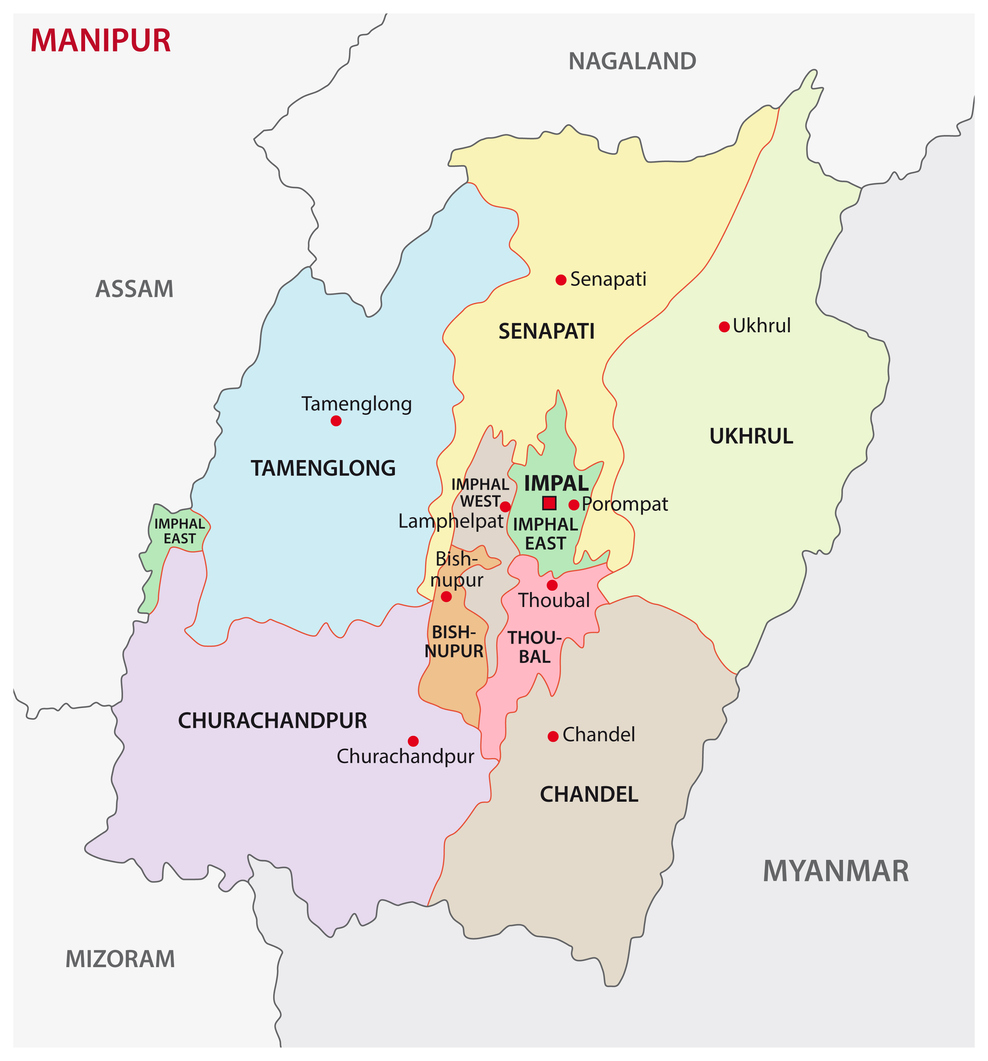
On October 18, violence erupted when unidentified individuals attacked a musical event in Khangabok Pali Bazar, Thoubal district, with stones. This led to the fatal shooting of one person and injuries to multiple others.
That same day, an improvised explosive device injured three security personnel at Kakwa Lamdaibung Lampak, situated near Singjamai police station in Imphal West district.
In a separate incident the next day, armed attackers targeted Meitei villagers gathering firewood at Sunulok Hill in Imphal East district, resulting in three deaths and three injuries.
The attacks triggered protests in the Meitei-majority areas, including Imphal, where demonstrators brought the victims’ bodies to Chief Minister Yumnam Khemchand Singh’s residence, demanding justice and enhanced civilian protection.
Police intervened to disperse the protesters and subsequently removed the bodies, while security was bolstered throughout the affected regions.
Additional Director General of Police Lhari Dorjee Lhatoo reported the deployment of additional forces, including the Rapid Action Force, Central Reserve Police Force, Assam Rifles, and state police, to restore peace. He confirmed that the injured received medical treatment and that investigations to identify the attackers were ongoing.
Authorities have intensified their operations with the assistance of state police, military, and paramilitary forces, utilizing sniffer dogs, drones, and helicopters for surveillance. Lhatoo urged residents to support the security efforts and report any suspicious activities.
The recent violence raises concerns that Manipur’s longstanding conflict might extend to involve Meiteis and the Meitei Pangals, the state’s Muslim community. Local sources indicated that one of the deceased was a Muslim.
These incidents add to the tensions in a region already grappling with over three years of ethnic violence between Hindu Meiteis and the Kuki-Zo communities, primarily Christians. The broader conflict began on May 3, 2023, when a protest against granting Meiteis tribal status turned violent, resulting in over 260 deaths and displacing around 60,000 people, mostly Christians.
Complications have also arisen between the indigenous Naga and Kuki communities since February 2026, with tensions escalating following the killing of two Naga men on April 18, allegedly by Kukis. The subsequent clashes have reportedly resulted in more than 60 fatalities.
While major violence between Meiteis and Kuki-Zo had subsided since the Naga-Kuki conflict intensified, the latest attacks have reignited fears about the region’s security and inter-community relations.
“With the fresh violence targeting Meiteis and Muslims by unidentified armed persons, the state has been pushed into a volatile situation where all major communities are at war with each other,” a church leader, requesting anonymity, told UCA News on October 20.
“We were hoping for peace and praying for it, but now the situation is going from bad to worse, and no one can predict what will happen next,” the leader added.
Indigenous Christians constitute about 41 per cent of Manipur’s 3.2 million population, while Meiteis represent approximately 53 per cent and are dominant in state governance.
This article was originally written by www.christiantoday.com