A Nation in Transition: Britain in the 1930s
The 1930s in Britain, often overshadowed by economic struggles and looming war, was a decade of significant transformation. While many faced unemployment and hardship, others experienced improved living standards, with suburban growth and new industries altering the landscape of daily life.
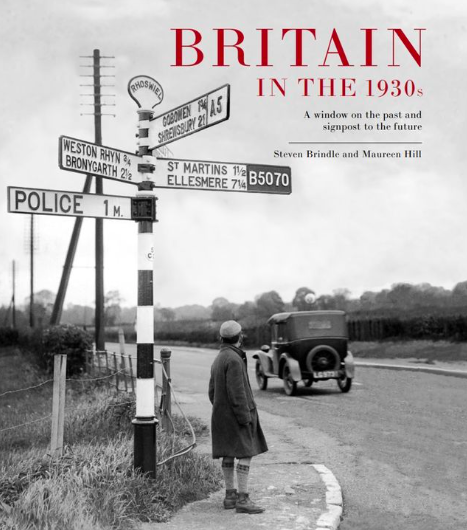
Architectural historian Steven Brindle delves into this complex era in his latest book, ‘Britain in the 1930s: A Signpost to the Future.’ Through photographs originally commissioned by the Daily Mail, Brindle captures the evolving homes, workplaces, and communities of the time, highlighting the persistent influence of the Church in daily life.
An Era of Contrasts
Although the 1930s are commonly linked with the Depression, Brindle emphasizes that the decade was more nuanced. Traditional industries like coal mining and textiles struggled, while sectors such as electricity and car manufacturing thrived. This duality was mirrored in Brindle’s personal history, with his grandfather’s paper mill failing even as another family business in laundry machinery succeeded.
Navigating Tradition and Modernity
For many, the 1930s represented a shift from a nineteenth-century economy reliant on manual labor to one offering new opportunities in emerging industries. Rising wages and expanded roles in sectors like electrical and chemical manufacturing provided alternatives to domestic service, altering employment dynamics and lifestyle choices.
The Church’s Role in Community Life
Christianity was integral to British life in the 1930s, with most identifying as Christian and church attendance common. The Church of England, along with Methodist, Baptist, and Presbyterian congregations, played a crucial role in shaping community identities. Churches were involved in organizing social events, supporting education, and providing aid to those in need during tough economic times.
Brindle’s book reveals how churches functioned as community hubs, hosting activities beyond Sunday services, such as garden parties and music events. Religious practice varied between urban and rural areas, yet remained a cornerstone of local life.
Influence on National Debates
Churches had a voice in the national debates of the 1930s, though Christian views often diverged. While some advocated for pacifism, others saw opposing fascism as a moral duty. Christian socialism also played a part, despite disagreements over its compatibility with Soviet communism.
Political leaders from across the spectrum, including Stanley Baldwin and Neville Chamberlain, were committed churchgoers, reflecting Christianity’s influence on public discourse without aligning with a specific political stance.
Lessons from the Past
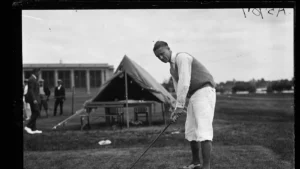
The photographs in Brindle’s book, taken for the Daily Mail, tend to highlight optimism and leisure activities, providing a counterpoint to the era’s difficulties. This duality captures both the hopeful and anxious sentiments of the period.
Despite differences in social attitudes and national identity between the 1930s and today, Brindle suggests that the decade offers valuable lessons in community cohesion and resilience. The challenges of the 1930s fostered a sense of unity that proved pivotal during the Second World War and in the subsequent creation of the welfare state.
This article was originally written by www.christiantoday.com