A New Film Sheds Light on the Pioneering Efforts of Disability Rights Activist Judy Heumann
While many civil rights leaders are household names, Judy Heumann’s pivotal role in advocating for disability rights is less recognized. A new film aims to change that narrative.
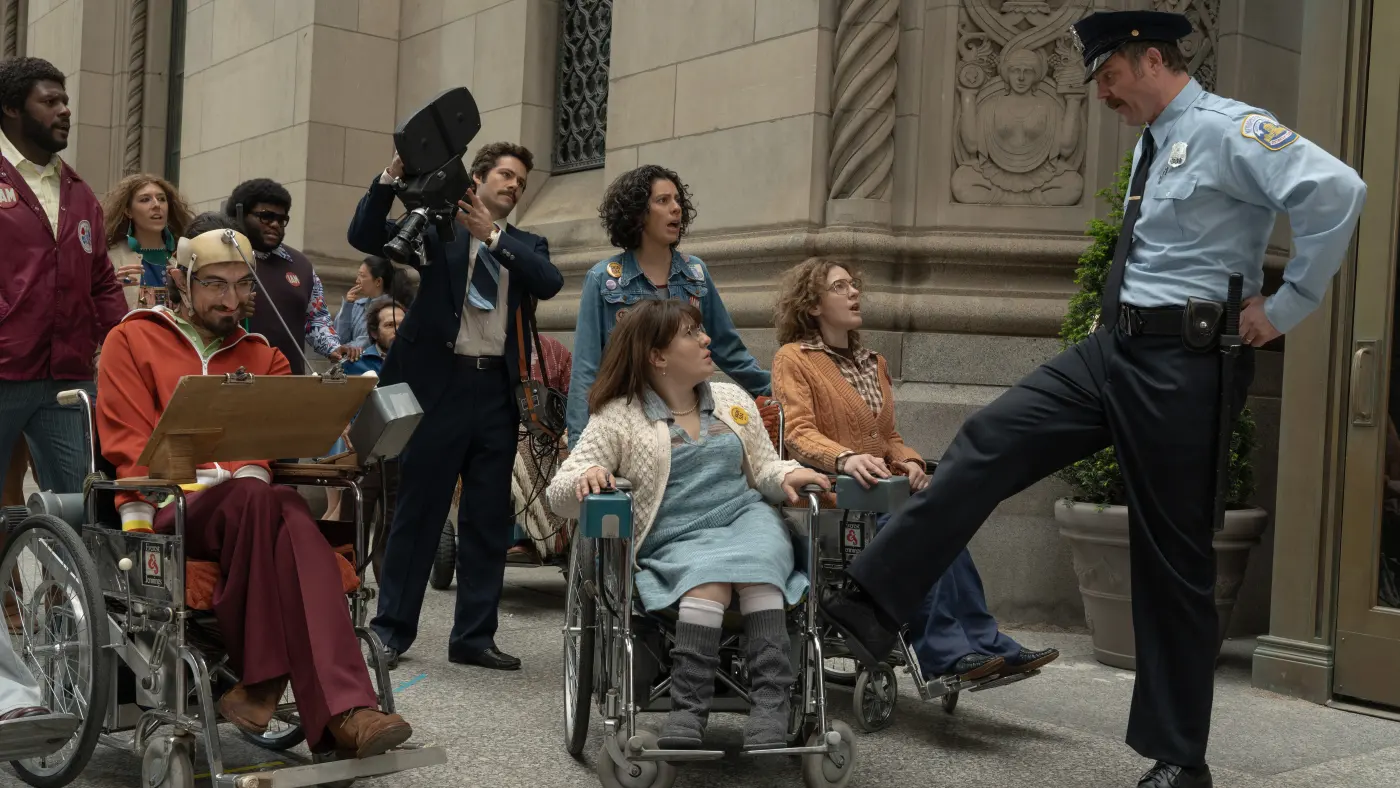
Being Heumann, directed by Academy Award-winner Sian Heder, chronicles the journey of Judy Heumann from Brooklyn, who was instrumental in securing the first civil rights protections for people with disabilities in the United States.
Prior to the introduction of the Americans with Disabilities Act (ADA) in 1990, Section 504 of the Rehabilitation Act of 1973 laid the foundation for disability rights. This provision guaranteed individuals with disabilities the right to fair employment and public access without discrimination. However, it lacked enforcement until activists led by Heumann took decisive action.
In 1977, Judy Heumann, along with Kitty Cone and other activists, organized a historic sit-in at the Department of Health, Education, and Welfare in San Francisco. This action, lasting nearly a month, is considered the longest occupation of a federal building in U.S. history. The protest compelled the government to implement rules enforcing Section 504, making public spaces accessible to people with disabilities.
“Judy always said, ‘disability only becomes a tragedy for me when society fails to provide the things we need to lead our lives’ — job opportunities or barrier-free buildings, for example,” shared Joe Shapiro, a former NPR correspondent and close friend of Heumann.
Heumann’s advocacy emphasized that disability rights are fundamental civil rights, a perspective that continues to drive the movement today. As Shapiro noted, Heumann was inspired by a new generation of young disabled individuals who view the ADA as a starting point for greater progress.
With the film available on Apple TV, NPR interviewed members of what is known as the ADA generation to discuss Heumann’s impact and ongoing challenges to the disability rights movement.
“It is our job to carry on her legacy and keep that fire burning all these decades later,” said Kaleigh Brendle, founder of Judy’s League, which opposes efforts to weaken Section 504 protections.
Recently, a federal judge ruled to remove the term “integration” from Section 504 regulations, rolling back some protections achieved through Heumann’s activism. Despite these setbacks, Brendle expressed determination, stating that watching Being Heumann reinforced her commitment to the cause.
Reflections on Being Heumann
Liam Holland, 25, Philadelphia: “The very first line of the movie is Judy chanting ‘[Sign 504]!’ That gave me chills right away, because almost 50 years later, 504 is the exact reason we founded Judy’s League.”
Cricket Bidleman, 27, Baltimore: “Seeing history come full circle was not particularly encouraging. But we did it once, so we can do it again. We can save 504.”
Kaleigh Brendle, 23, Berkeley, Calif.: “The unshakable resolve that Judy showed, that fire that would not be extinguished… It really gave me hope and renewed what I feel we need to be doing right now.”
On the Relevance of Past Movements
Ellana Crew: “A lot of attitudes expressed by non-disabled people [in the film] felt fairly indistinguishable from the attitudes I hear today.”
Cricket Bidleman: “It’s amazing to see how in some ways we’ve made so much progress. But the discrimination hasn’t really changed that much.”
Kaleigh Brendle: “Hearing Judy lead the ‘Sign 504’ chant… all these years later we were having to chant ‘Hands off 504.’
The Legacy of Judy Heumann
Liam Holland: “Every curb I go over is directly tied to that fight… what Judy means to me, quite simply, is independence and normalcy.”
Leigh White, 30, Galloway, N.J.: “Disabled individuals are the largest minority group in the United States. By fighting for the rights of people with disabilities, it kind of raises all boats.”
Kaleigh Brendle: “If you broke your arm tomorrow, you would expect that the world would accommodate you… Why is it wrong for us to expect what you would expect in that situation?”
Cricket Bidleman:: “We’ve made so many advancements because of people like Judy… the struggles we’re going through right now, hopefully the next generation of disabled youth don’t have to go through the same things.”