Special Education Teachers: A Profession Under Pressure
In the realm of public education, special education teachers face unique challenges that often go unnoticed. Despite serving over 8 million students across the United States, these educators are in short supply, overworked, and underpaid. This persistent issue has prompted educators to share their stories, highlighting the difficulties and triumphs of their daily work.
Wendy Campbell, a special education teacher in Jacksonville, Fla., voiced her frustration on Instagram after reading NPR’s report on the special education teacher shortage. In her post, she emphasized the struggles faced by educators in her field: “From one special education teacher to all of you others, we are in the trenches. We are overworked, understaffed, and GROSSLY underpaid … I stand with each of you, I’m glad I’m not alone.”
NPR’s initiative to follow special educators throughout the school year aims to uncover the reasons behind the persistent shortage of special education teachers. The series offers a platform for teachers to share their experiences, ranging from the joys of student progress to the challenges of managing individualized education programs (IEPs).
Emily Ellis, a teacher in Cayce, S.C., shared her elation upon witnessing her students’ growth. “A big happy moment was just seeing how much growth my students have had,” she said. Ellis recounted a student’s progress from being unable to count to reaching significant milestones in counting and alphabet recognition.
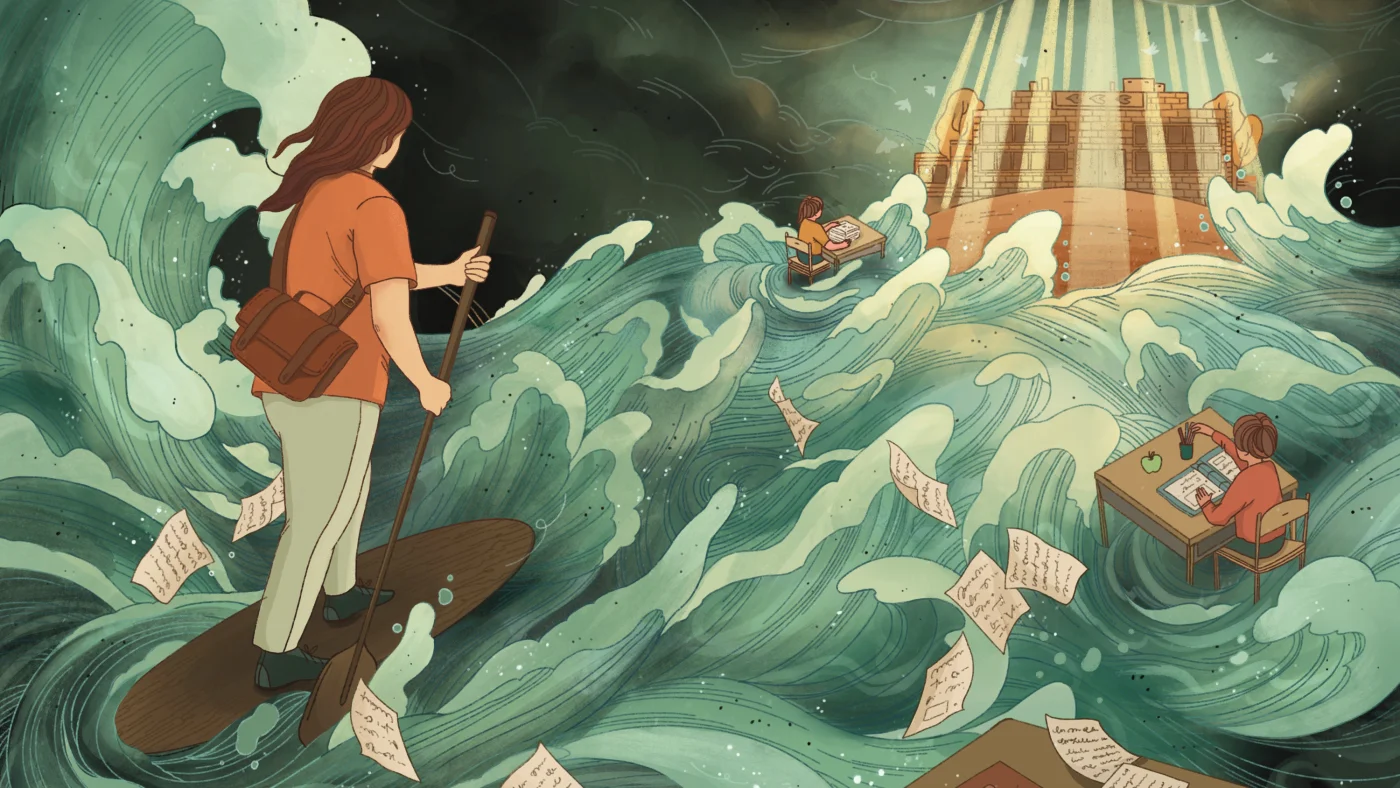
However, the path to such achievements is fraught with challenges. Kathleen Tejeda from Riverside, Calif., described the dual role special education teachers play, balancing academic instruction with the extensive responsibilities of case management. “Special education teachers have two jobs,” she noted, emphasizing the demanding nature of the profession.
Voices from the Field
Teachers from across the country have shared their thoughts and experiences, echoing the sentiments of their peers. Jacob Meraz from Montclair, Calif., expressed his connection to the narratives of balancing paperwork, meetings, and teaching. “I could not believe how strongly I connected with what you wrote about the balance,” he said.
Russell Fung, a first-year teacher in Los Angeles, related to the overwhelming nature of the job: “First year elementary sped teacher here. I’m glad I’m not alone. The comments here are 100% spot on.”
For many, the workload extends beyond regular hours, impacting personal well-being. Erica Otero from Sacramento, Calif., shared her experience of seeking therapy to cope with the emotional demands of the job. “It’s an emotional rollercoaster minute to minute and day to day,” she admitted.
Similarly, Natalie Jeffs from Provo, Utah, highlighted the physical toll of the profession, recounting incidents of student-inflicted injuries. “At some point, teachers just can’t stay in this environment for their own health,” she noted.
The dedication of special educators is evident in their commitment to their students, as underscored by former student Andrew Regopoulos. He credited his success to the support of his special education teachers, stating, “I overcame so much with them. I’m now the Deputy Fee Manager at Grand Canyon National Park.”
NPR’s education team will continue to document the stories of special education teachers, providing insight into their critical role in shaping the futures of their students. Follow their journey and discover more about teaching special education in America.