Social Media Fallout: Job Loss After Online Controversy
During a routine social media check, Alexandra’s world turned upside down when a viral post linked to her personal opinions cost her a new job in cybersecurity.
A popular X account with over 500,000 followers singled out Alexandra by sharing a screenshot of her Facebook post regarding Charlie Kirk. “I knew that they were going to fire me because of the pressure by the mob,” Alexandra reflected on the situation.
The repost not only named Alexandra but also identified her employer. For safety reasons, NPR uses only Alexandra’s middle name and chose not to name the X account. Less than three hours after the post, Alexandra received an email terminating her employment, just a fortnight into her new job.
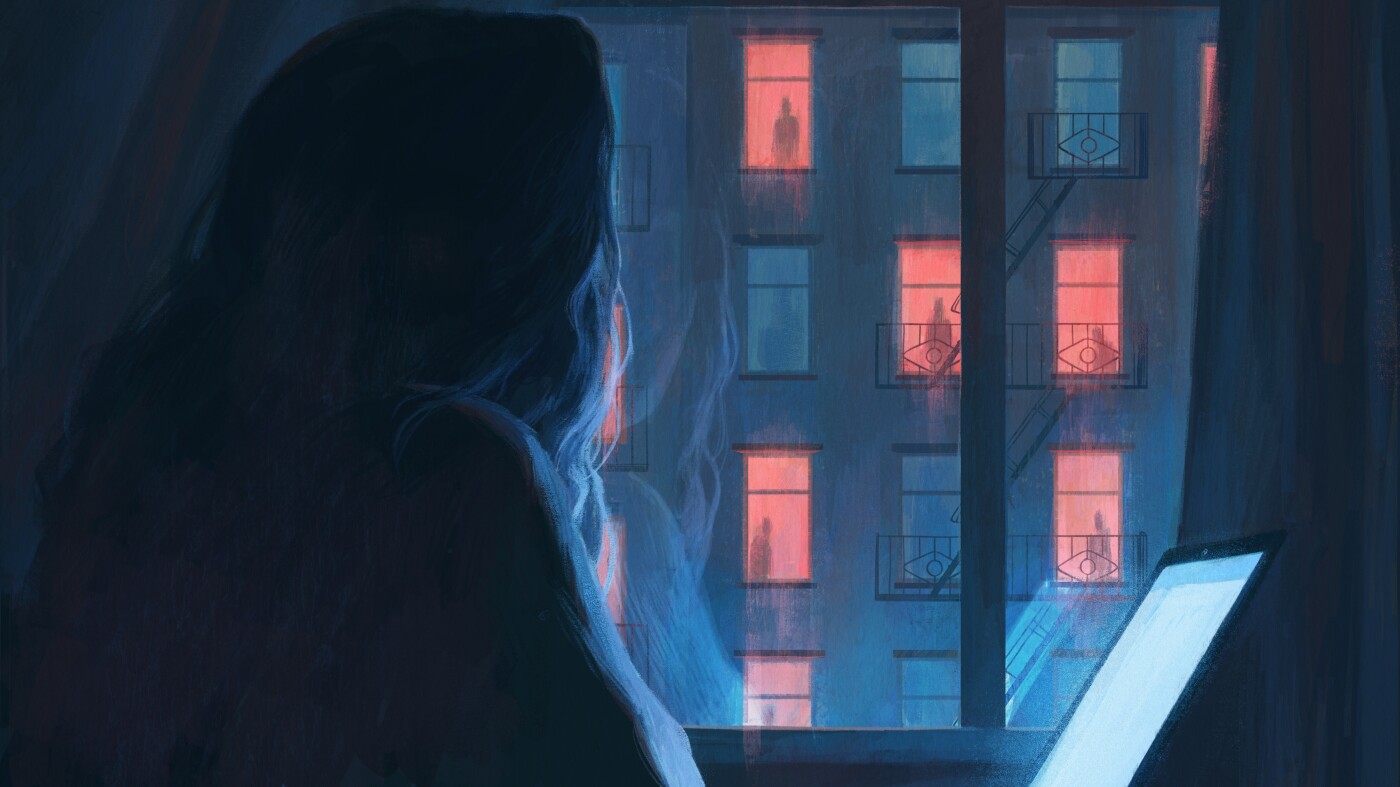
The situation escalated with threats online, including a disturbing comment about a restaurant near her home, making her fear for her safety. This prompted her to temporarily leave her apartment, seeking refuge with friends.
Alexandra is one among many who faced employment repercussions from social media posts about Kirk’s death. Concerns about personal safety are on the rise as naming-and-shaming practices gain traction, spotlighting employment issues amid political tensions.
In a podcast guest-hosted by Vice President Vance, viewers were urged to call out those “celebrating Charlie’s murder,” encouraging actions like contacting employers and leaving negative reviews. Websites have even emerged to document such social media posts.
Originally from the former Soviet Union, Alexandra’s family moved to the U.S. for greater freedom. However, she now questions if those freedoms are at risk, perceiving her firing as a result of an online pressure campaign with political backing. “I don’t think that was ever what the standard issue response was,” she commented.
Her journey from employed to unemployed happened rapidly. A Facebook post at 10:13 A.M. on Sept 12, mimicking Kirk’s words on Paul Pelosi’s attack, set the chain of events in motion. “I felt as bad for him as I feel for any victim of gun violence,” Alexandra said, but she disagreed with portraying Kirk as a “martyr for free speech.” Her post initially went unnoticed until it gained traction after a comment on another’s post.
Amidst the controversy, Alexandra’s post was reshared, gaining under 100,000 views and fewer than 80 replies. However, the potential reach of influential accounts like Libs of Tik Tok and Laura Loomer heightened concerns. “Having Elon Musk as part of this — I can imagine that for the employers in this case, they could see how it could potentially escalate,” noted Daniel Trottier, a professor studying online naming and shaming campaigns.
The situation highlights the power dynamics of social media, where anonymous accounts can pressure employers while shielding their identities. Despite this, Alexandra remains resilient. “Where does this stop?” she wonders, reflecting on the broader implications for freedom of speech.
For now, Alexandra has taken steps to protect her privacy, adjusting her social media presence and seeking legal assistance. However, the chilling effect on free expression remains a pressing concern for her and others in similar situations.
This article was originally written by www.npr.org