
Universities Face Deadline on Controversial Trump Administration Compact
A critical deadline looms for several universities as they decide whether to align with the Trump administration’s
proposed
Compact for Academic Excellence in Higher Education. This agreement, which aligns with President Trump’s political
priorities, offers preferential access to federal funding in exchange for adherence to specific commitments.
Sent to nine colleges on October 1, the compact requires a range of commitments from participating institutions. These
include barring transgender individuals from certain facilities and activities, implementing a five-year tuition freeze,
limiting international student enrollment, and mandating standardized tests for admissions.
As the deadline approaches, six out of the nine targeted institutions have signaled their intention not to sign the compact.
MIT was the first to publicly decline, with President Sally Kornbluth stating in a letter to Education Secretary Linda McMahon,
“includes principles with which we disagree,” and emphasized that funding should solely be based on scientific merit.
Read the full letter here.
Response from Universities
Following MIT’s lead, Brown University, the University of Pennsylvania, and the University of Southern California also
declined the offer. These institutions expressed their decisions respectfully, emphasizing their commitment to their values.
In response to the rejections, President Trump announced on Truth Social that the opportunity to sign the compact would be
extended to all colleges, not just those initially contacted.
Read more on Truth Social.
White House Engagement
A virtual meeting held by the White House on Friday aimed to engage colleges that had not yet declined the compact, including
the University of Arizona, the University of Texas at Austin, Vanderbilt University, Dartmouth College, and the University
of Virginia. Additional institutions invited were Arizona State University, Washington University in St. Louis, and the University
of Kansas. The Wall Street Journal reports on the meeting.
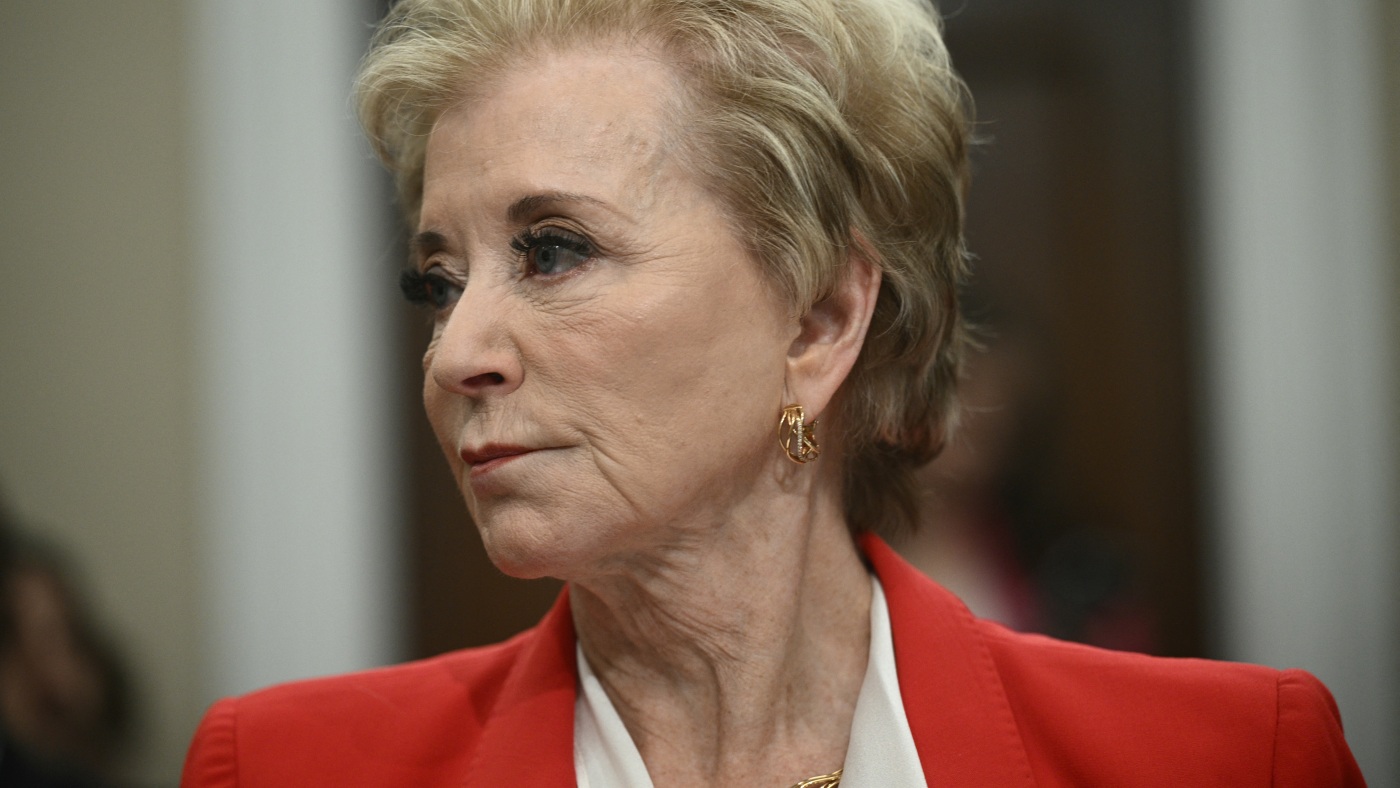
Secretary of Education Linda McMahon described the meeting as a “positive and wide-ranging conversation” about the compact.
See her statement on X.
Further Rejections
Despite the discussions, both the University of Virginia and Dartmouth College announced their decisions not to participate.
Dartmouth President Sian Leah Beilock expressed in a letter that a compact with any administration is not the appropriate
approach for achieving academic excellence.
The University of Virginia echoed these sentiments, with Interim President Paul Mahoney emphasizing the importance of merit-based
assessment for federal funding. He warned that any other basis could undermine the integrity of research and erode confidence
in higher education. Read Mahoney’s full statement.
The White House has yet to comment on the future of the compact. An automated email response indicated staff shortages due to
a government shutdown, attributing the blame to Democrats. Learn more about the shutdown.
Since President Trump assumed office, his administration has canceled billions in federal research funding across various
universities, citing issues related to transgender policies, diversity initiatives, and antisemitism.




