
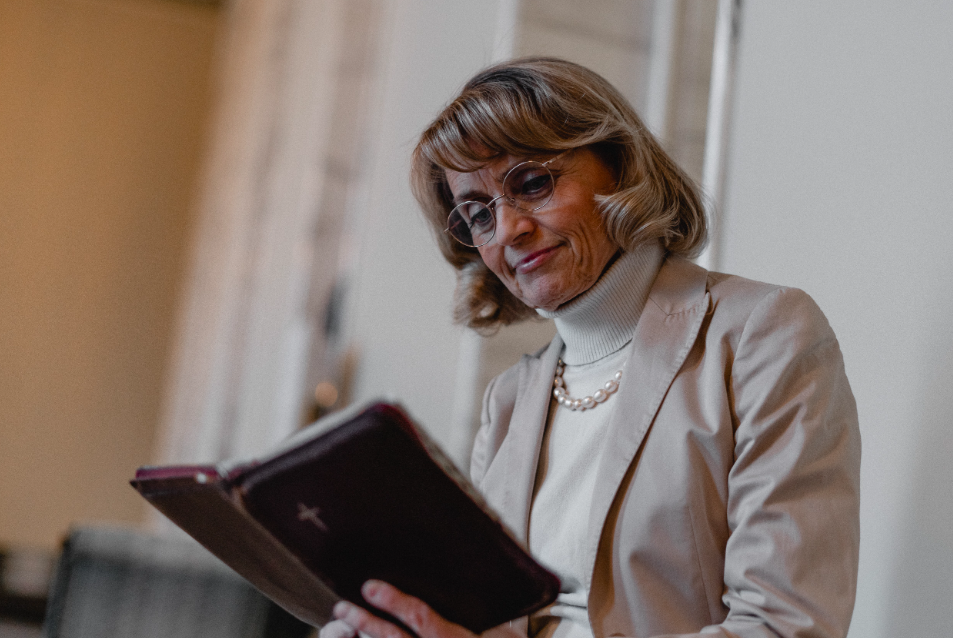
(Photo: ADF International)
The Finnish Supreme Court is set to examine a case involving Päivi Räsänen and Bishop Juhana Pohjola, marking a significant moment in the ongoing legal saga. This case has captured attention due to its implications for free speech in Finland and potentially across Europe.
Räsänen, a former Interior Minister of Finland, has been involved in a protracted legal battle stemming from a 2019 tweet. In this tweet, she questioned her church’s participation in a Helsinki Pride event and included a Bible verse from Romans 1. The verse in question reads, “The men also abandoned natural relations with women and were inflamed with lust for one another. Men committed shameful acts with other men, and received in themselves the due penalty for their error.”
Additionally, the case references a 2004 pamphlet by Bishop Pohjola that expressed traditional Christian views on marriage and sexuality, which Räsänen reiterated on a radio program in 2019.
Their initial trial in 2022 involved charges under Finnish law concerning “war crimes and crimes against humanity.” Despite being acquitted twice, once at the original trial and again by the Helsinki Court of Appeals, the Finnish state prosecutor is pursuing another appeal.
Räsänen has consistently expressed her resolve to continue with the legal proceedings, stating, “After my full exoneration in two courts, I’m not afraid of a hearing before the Supreme Court.” Her determination underscores her commitment to seeing the case through to its conclusion.
Paul Coleman, Executive Director of ADF International and part of Räsänen’s defense team, emphasized the broader implications of the case. He stated, “Free societies should never criminalize peaceful expression. Yet for over six years, Päivi Räsänen has endured interrogations, trials, and appeals for simply sharing a belief rooted in her faith.
“The outcome of this case will set a precedent not only for Finland, but also for free speech across Europe. It’s time to reaffirm that democracy depends on the right to speak freely—even when others disagree.”
Räsänen’s case continues to be a focal point in discussions about freedom of expression, raising questions about the balance between personal beliefs and societal norms.
This article was originally written by www.christiantoday.com




