
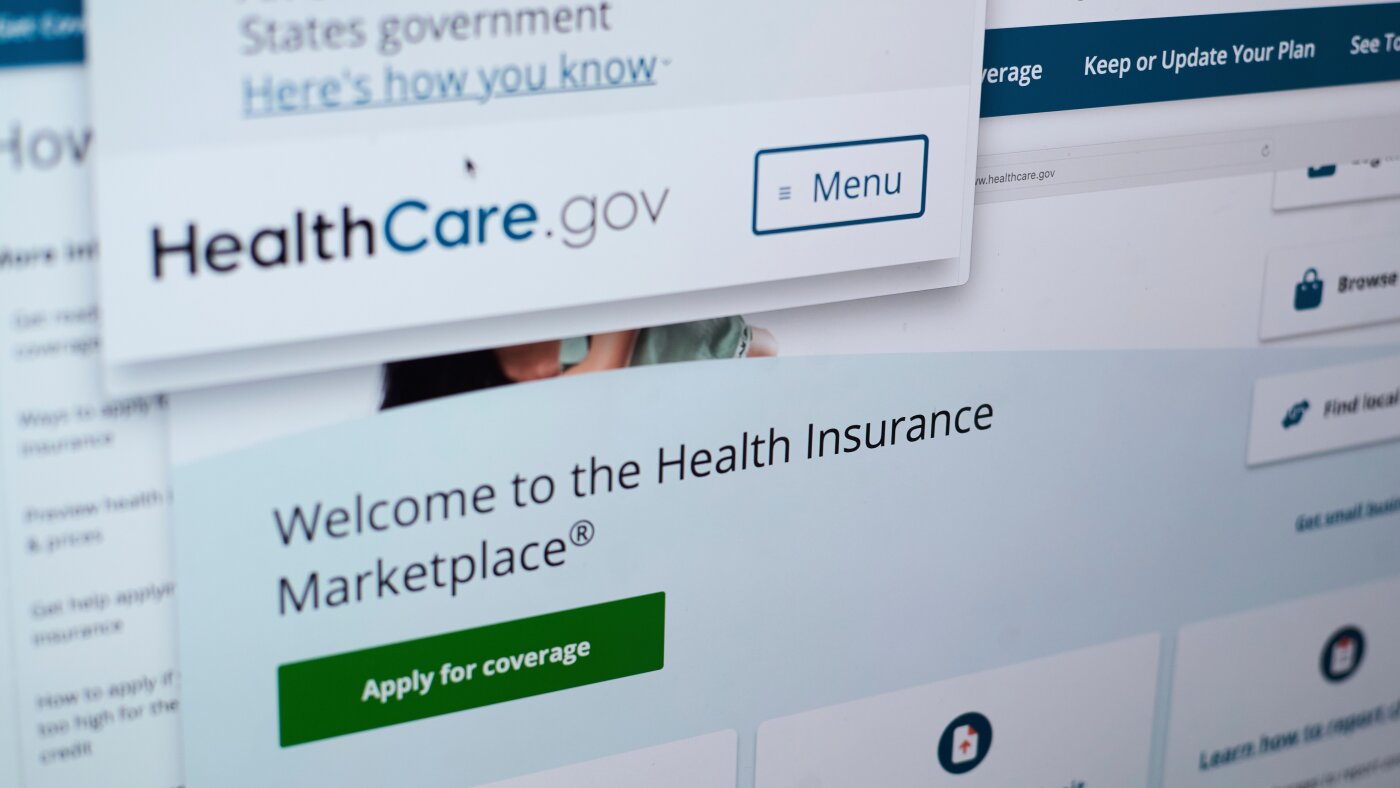
Health Insurance Shakeup: ACA Enrollment Sees Significant Decline Amid Rising Costs
The landscape of Affordable Care Act (ACA) health insurance is shifting dramatically, with recent data revealing a substantial drop in enrollment for 2026. This decline comes amid soaring premium costs, leaving many enrollees without coverage.
According to a report released by the Department of Health and Human Services, 5 million individuals who initially signed up through the ACA marketplaces either canceled their plans or failed to pay their premiums. This revelation highlights the financial strain on enrollees following the lapse of additional financial assistance from the government last year. The report is available here.
Experts had anticipated these numbers, particularly after earlier reports showed that 1 million fewer people selected a plan compared to the previous year. This trend suggests a growing unaffordability for many, corroborated by Cynthia Cox from KFF’s Program on the ACA, who noted, “The main takeaway is that enrollment is down 13% from last year.” She attributed this to the sharp increase in premiums following the expiration of enhanced tax credits.
The Paragon Health Institute, known for its influence in the Trump administration, has put forth a theory attributing enrollment growth to fraud. This perspective, however, is met with skepticism by health policy experts, who believe the surge during the pandemic was a direct result of Congress’s investment in making premiums more affordable through enhanced subsidies.
As Cox mentioned, “The marketplace doubled in size during the period when there were enhanced subsidies because the coverage was much more affordable and much more appealing to people.”
With average premium costs doubling from 2025 to 2026, the impact on consumers has been profound. This increase followed the Republican decision to let enhanced premium tax credits expire, despite a government shutdown attempt by Democrats in October 2025 to negotiate an extension. Cox observed, “When their costs went up, many of them dropped their coverage.”
Stacey Pogue, a senior research fellow at the Georgetown Center on Health Insurance Reforms, supports this view, stating, “I don’t see data that point to that conclusion that a 5 million person drop can be explained by allegations of fraud.” She emphasizes the economic reality many face, making decisions based on their ability to afford monthly premiums.
This financial burden is exacerbated by overall inflation, forcing consumers to make challenging choices regarding their personal finances, employment, and lifestyles. Insurance companies are also feeling the effects, with some, like Cigna, opting out of ACA markets for the coming year due to reduced customer numbers.
Cox warns that the departure of healthier individuals from the insurance pool could lead to a “death spiral.” However, she remains optimistic that enough people are still participating to sustain the marketplaces. “We don’t see any parts of the country that are at risk of having no insurance company,” she reassures.
Nevertheless, the outlook remains uncertain, as premiums are expected to rise again in 2027, according to Stacey Pogue’s analysis. These ongoing increases could further challenge consumers and potentially lead to continued declines in marketplace enrollment. Explore the early insurance rate filings for 2027 here.




