
AI-Generated Videos: A New Challenge for Late-Night Talk Shows
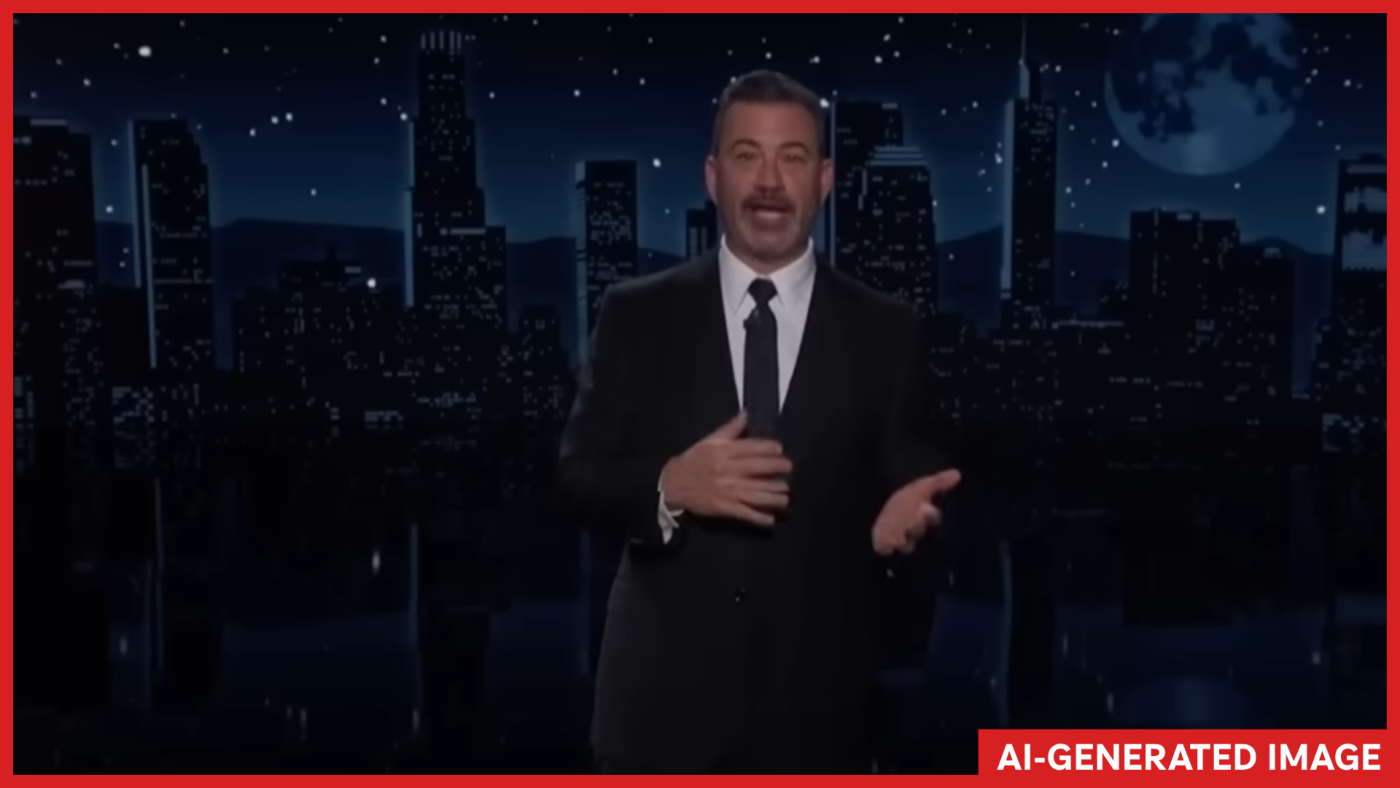
As Jimmy Kimmel takes a summer hiatus from his ABC late-night show, social media is buzzing with videos that appear to feature the host delivering topical monologues. However, these clips are not what they seem. They are AI-generated simulations, part of a growing trend of deepfake videos that are becoming increasingly common and convincing.
Understanding the Phenomenon
The prevalence of AI-generated videos featuring late-night hosts such as Kimmel has been on the rise. Jed Rosenzweig, founder and editor of LateNighter.com, has been investigating these deepfakes. He explains that the context in which these hosts are usually seen—discussing current events and politics—makes it easier for audiences to accept these fake videos as real. “Jimmy Kimmel really does go on television and talk about politics all the time,” Rosenzweig noted, pointing out the built-in trust these videos exploit.
Spotting the Fakes
Despite their convincing appearance, Rosenzweig advises viewers to look for signs that a video might be a deepfake. “The gestures are odd. The writing doesn’t really sound like a live monologue,” he said, noting that often the video transitions to a voiceover with news footage after a few seconds. Yet, many viewers remain unaware, with some videos garnering hundreds of thousands of views and comments praising “Kimmel” for his insights.
Implications for Free Speech
These AI videos are particularly concerning given Kimmel’s contentious relationship with the Trump administration, which has previously called for his firing. Rosenzweig expressed concern that these videos could exacerbate tensions as the Federal Communications Commission and ABC engage in a legal battle over free speech rights.
The Ease of Creation
Creating these AI-generated videos is relatively straightforward, especially for talk show hosts who mostly speak directly to the camera. Hany Farid, a computer science professor at Dartmouth College, explained how the abundance of audio recordings makes it easy to clone voices and produce these videos. Farid also noted that late-night shows are a trusted news source for many, adding to the effectiveness of these deepfakes.
Audience Dynamics and Online Viewing
Even though traditional viewership of late-night shows is declining, many viewers still engage with clips online. A 2025 survey by the Associated Press-NORC Center found that more Democrats watch these shows, which may explain the lack of AI deepfake monologues from right-leaning hosts.
Platform Responses and Legal Gaps
Platforms like TikTok, YouTube, and Instagram are attempting to regulate AI content by requiring labels and using detection technologies. However, the rapid production of these videos makes it difficult to keep up. The legal landscape also struggles to address the issue, with current laws focusing more on unauthorized creative works rather than synthetic doubles. States like California and Tennessee have some protections, but broader measures are needed.
Looking Ahead
As deepfake technology continues to evolve, the challenges it presents to media, audiences, and legal systems are significant. While some late-night hosts have highlighted these issues, the balance between comedy and the potential for misinformation remains delicate.




