Breaking Barriers: An Educator’s Journey from India to America
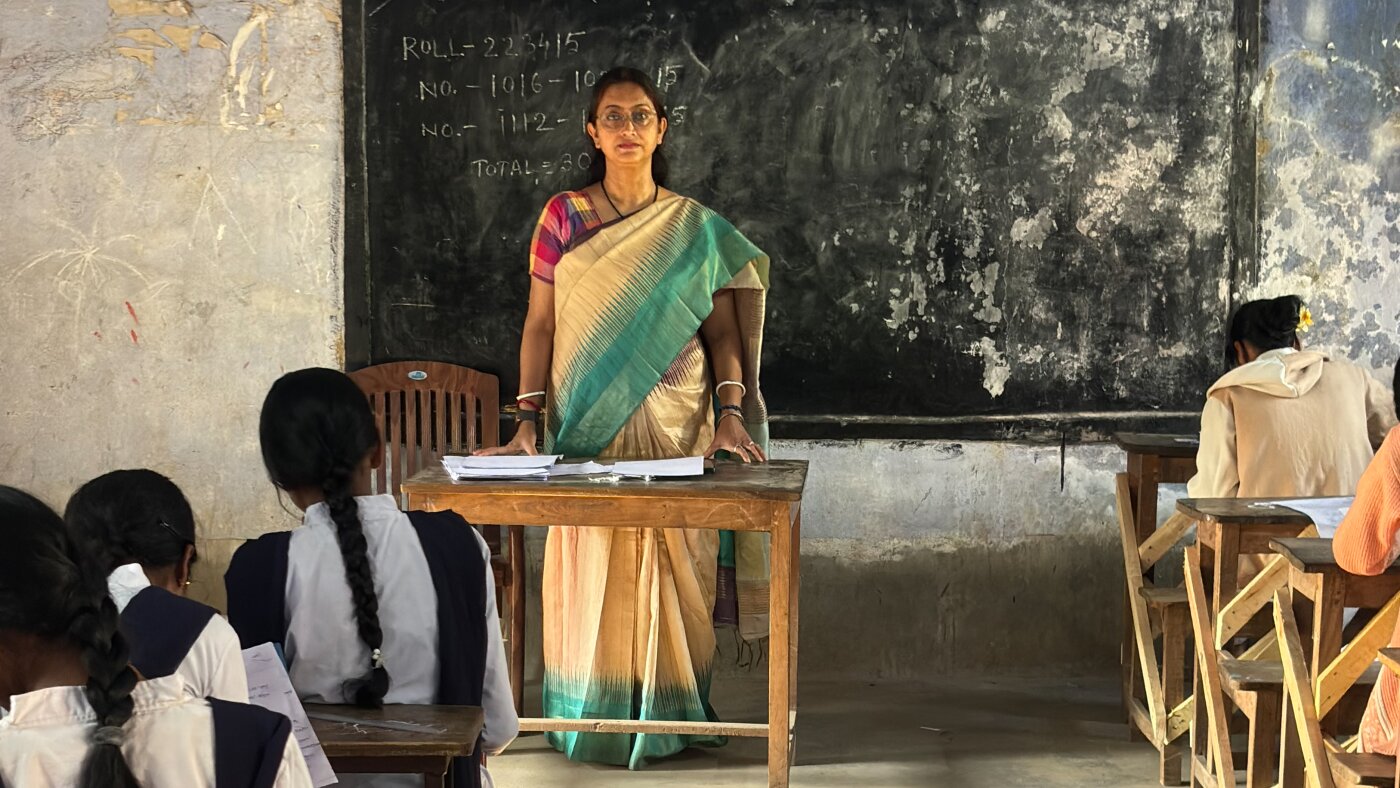
In a rural corner of West Bengal, India, a teacher embarks on a transformative journey that transcends cultural and educational boundaries. Joyeeta Banerjee, an English teacher from Bankura, is redefining her role and challenging societal norms through a prestigious fellowship by the Fulbright Distinguished Awards in Teaching Program.
Joyeeta Banerjee in her classroom in India. tk
Upon receiving the fellowship letter, Banerjee’s excitement was soon overshadowed by societal expectations, manifesting in questions like, “Who will look after your children?” and “What about your husband’s conjugal life?” Such inquiries reflect the deep-rooted belief that a woman’s aspirations should not extend beyond domestic duties.
For 24 years, Banerjee has been dedicated to teaching first-generation learners, children who speak Bengali or Santali at home. Despite outdated classroom resources, she inspires a passion for learning in her students. Now, in Pennsylvania, she observes modern educational environments where technology is at the forefront. However, she notes that even here, female educators face the challenges of balancing professional and personal responsibilities, indicating that patriarchy is a universal issue.
Banerjee sees language as a powerful tool for empowerment. She encourages her students, especially the girls, to view English not as a relic of colonialism but as a means of gaining access to opportunities and privileges. Nevertheless, the stark reality remains that while students learn words like freedom or choice, living those concepts is a different challenge altogether.
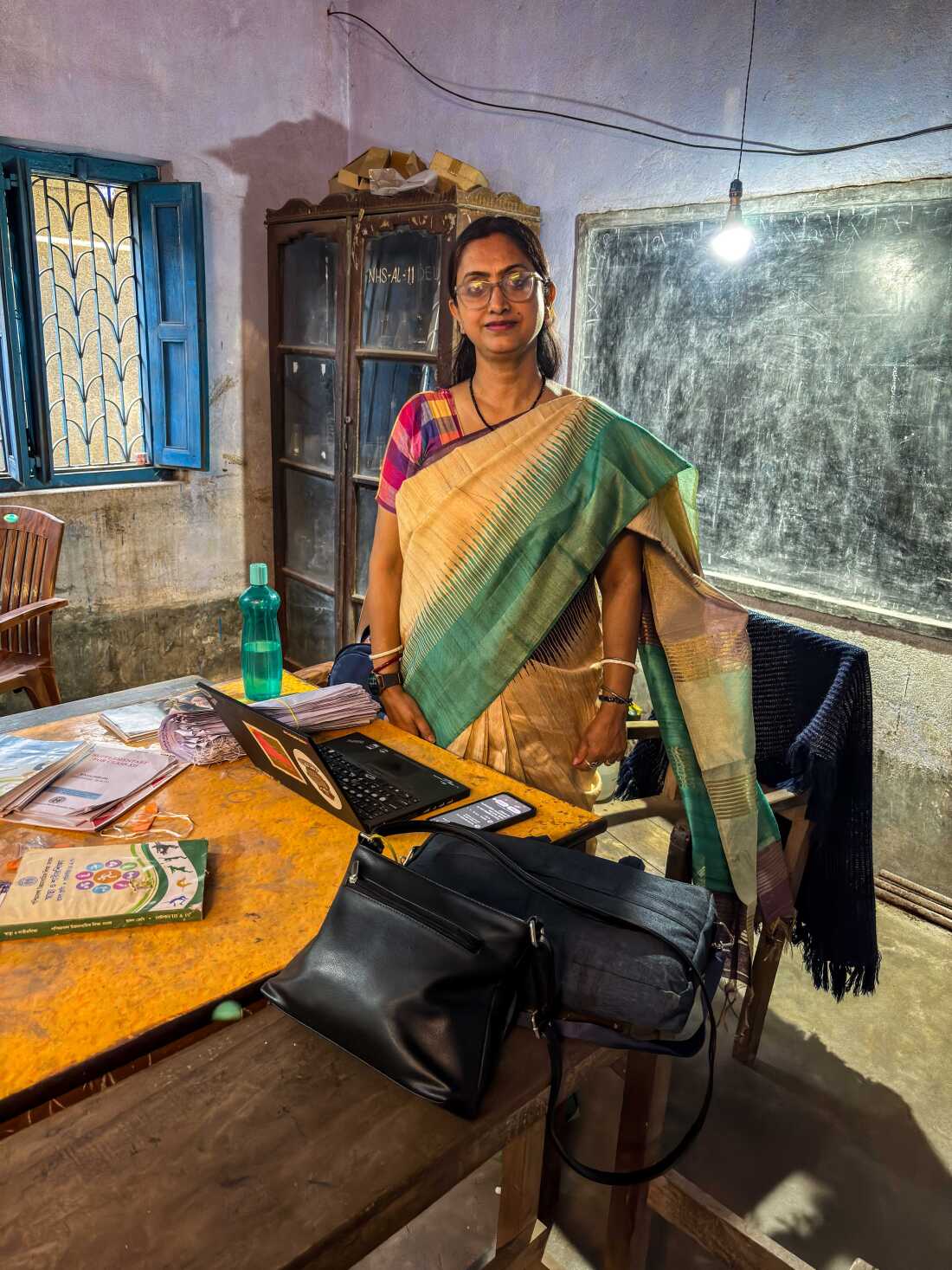
In India, almost one in four young women are married before reaching adulthood, with the number increasing for those lacking education. This reality makes true choice elusive. The Fulbright fellowship serves as a bridge, allowing Banerjee to explore the intersection of her role as an educator and the social expectations placed upon her.
Her innovative Dual Toolkit aims to address these issues by focusing on comprehension rather than rote learning. It leverages existing textbooks and students’ native languages, assisting girls like Soma, a student who could copy English words but struggled with their meanings. Banerjee’s initiative is her way of equipping students with the tools to unlock their potential.
Banerjee draws parallels between her experience and that of her first-generation students, both challenging societal norms and striving to pave new paths. Reflecting on her journey, she hopes that future women from small Indian towns will face different questions when offered opportunities abroad, such as “What will you discover?”
The author of this publication is a participant in Fulbright Teacher Exchanges, programs of the United States Department of State, administered by IREX, a nonprofit global and educational organization. The views and information presented are the grantee’s own and do not represent the views of the U.S. Department of State, the Fulbright Program, or IREX.