
Tennessee Execution Attempt Sparks Renewed Death Penalty Debate
A failed execution attempt in Tennessee has brought the death penalty debate back to the forefront of public discussion. Christa Pike’s survival after two doses of lethal injection has highlighted significant concerns over the execution process in the United States.
The procedure took place on a Wednesday, where Pike, bound to a gurney, received what was presumed to be a fatal dose of pentobarbital. Witnesses report that she complained of a burning sensation in her arm and requested adjustments to the injection site. A subsequent dose was administered, after which Pike appeared to lose consciousness but continued to breathe and snore. Emergency intervention by her legal team halted the execution, and she was transported to a hospital. Presently, Pike is in critical condition, though the extent of potential brain damage remains unclear.
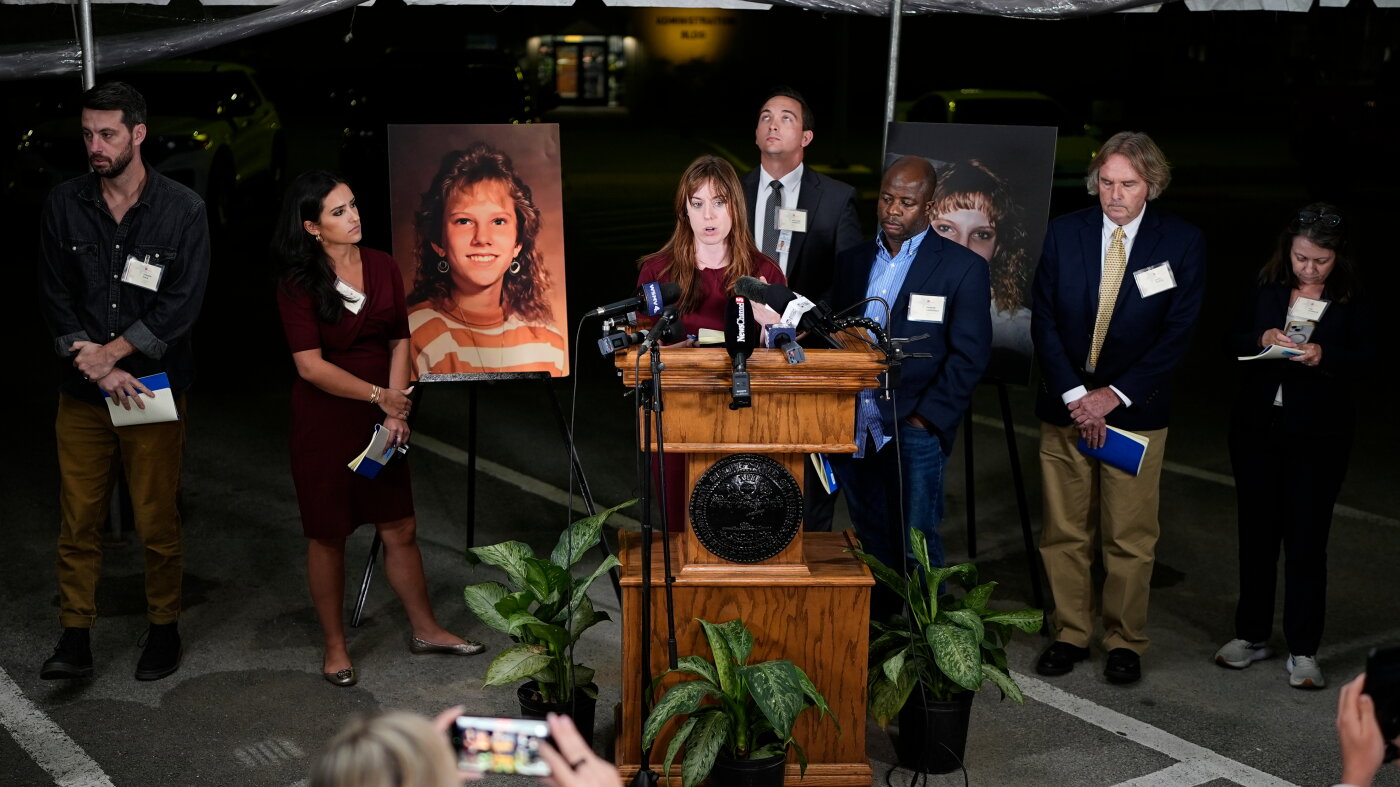
“We at this point do not know the ramifications of the chemical torture that she has endured,” stated Randy Spivey, Pike’s attorney, during a video press briefing. Spivey described the incident as “torturous” and “cruel.”
The Death Penalty Information Center (DPI), a nonpartisan organization, noted that Pike is the first person to survive an execution involving lethal drugs. Robin M. Maher, DPI’s executive director, described the incident as unprecedented in modern execution history, citing Tennessee’s secretive execution procedures as a contributing factor. Media witnesses are restricted from observing critical parts of the execution process, such as IV line insertions.
Convicted for the 1995 murder of Colleen Slemmer, Pike’s execution would have marked Tennessee’s first execution of a woman in over two centuries. This was the second failed execution attempt in the state this year, following a similar incident involving Tony Carruthers in May.
In response, Governor Bill Lee has suspended all executions in Tennessee for the remainder of the year and initiated an investigation into the events surrounding Pike’s execution. During a press conference, Lee acknowledged the incident should not have occurred, although he maintained that the death penalty remains a valid punishment for severe crimes.
Senator Marsha Blackburn echoed Lee’s sentiment but suggested a return to the electric chair instead of lethal injection. Meanwhile, Blackburn’s opponent, Jerri Green, criticized the death penalty as “inhumane, expensive, and biased,” advocating for its abolition. Green, a public defender, highlighted the risk of wrongful convictions and pointed out the inconsistency of the death penalty with pro-life values.
Legislative Efforts and Public Opinion
Earlier this year, legislators including Sen. Dick Durbin and Rep. Ayanna Pressley reintroduced a bill aimed at ending the federal death penalty, following the Department of Justice’s decision to reinstate firing squads. Durbin argued that the death penalty disproportionately affects marginalized groups and lacks clear evidence of deterring crime more effectively than life imprisonment.
Public support for capital punishment has fluctuated over time. A Gallup Poll indicates that approval rates, which peaked in the 1990s, have declined to 52% in 2025.
Amnesty International has urged the U.S. to abolish the death penalty, stating that America is becoming increasingly isolated as global execution rates decline. Last year saw a rise in executions in the U.S., with 47 individuals executed, primarily by lethal injection. However, some states employed alternative methods, including firing squads and nitrogen inhalation, which the United Nations has condemned as akin to “state-sanctioned torture.”
This article was originally written by www.npr.org


