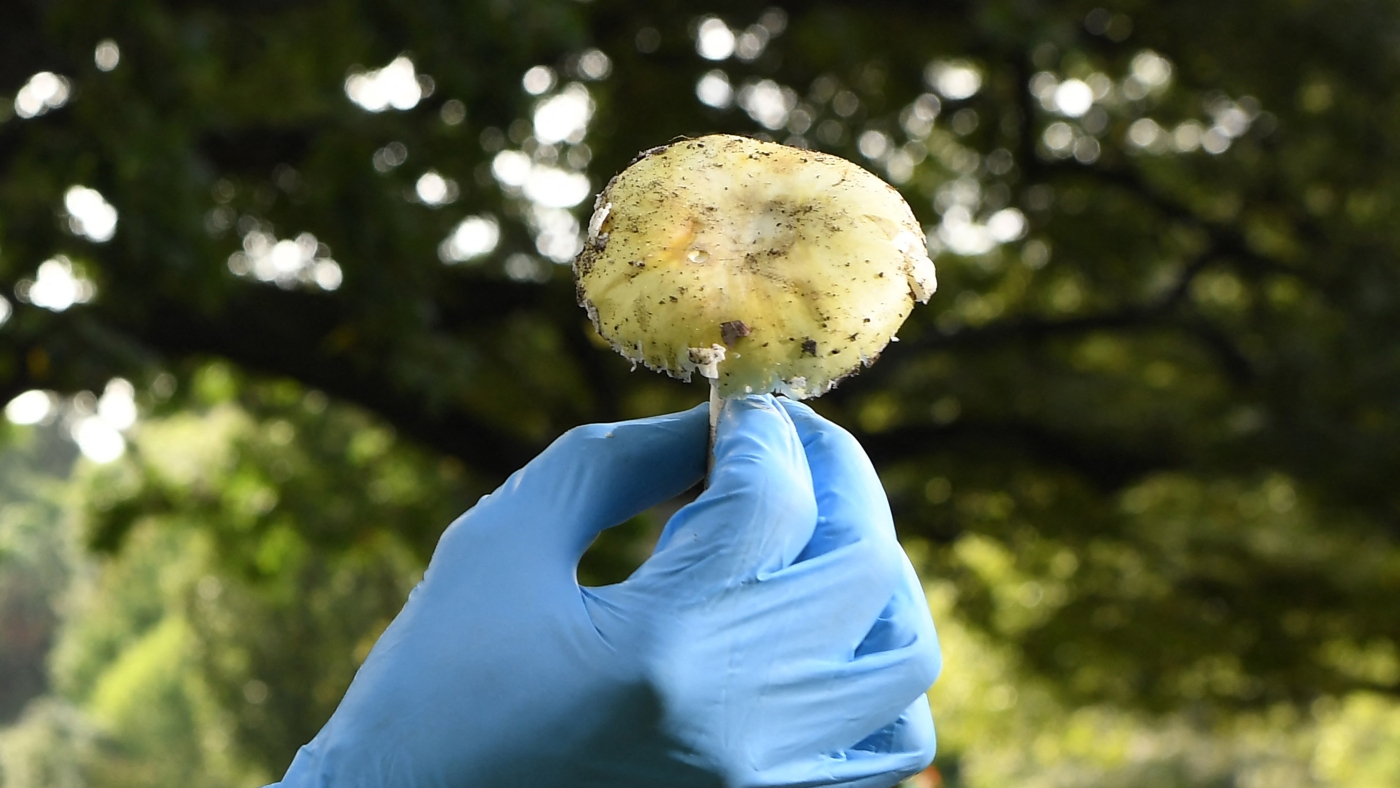
California Faces Rising Threat from Poisonous Death Cap Mushrooms
In a concerning development, California health officials have issued a warning against consuming foraged mushrooms after a series of poisonings linked to the deadly death cap mushroom. This caution comes in the wake of 21 confirmed cases of toxic mushroom poisoning, including one fatality, since mid-November.
The California Department of Public Health (CDPH) believes that these incidents are likely associated with the consumption of death cap mushrooms, which are notoriously difficult to distinguish from safe varieties. The toxins found in these mushrooms have resulted in severe liver damage in several individuals, with some patients requiring intensive care and potentially liver transplants.
Significant clusters of poisoning cases have been reported in the Monterey and San Francisco Bay Areas, although the risk is present across the state. CDPH director Dr. Erica Pan advised, “Because the death cap can easily be mistaken for edible safe mushrooms, we advise the public not to forage for wild mushrooms at all during this high-risk season.”
The death cap mushroom, or Amanita phalloides, thrives in California due to favorable conditions, particularly during the fall and winter rains. This year’s unusually rainy season has provided an environment conducive to their growth, reminiscent of the 2016 season when similar cases were reported.
Global Reach of Death Caps
Though death cap mushrooms are prevalent in California, they are not exclusive to the state. They account for 90% of mushroom-related fatalities worldwide. Sightings and poisonings have been reported in various regions, including the Midwest, Northeast, and Mountain West, with recent sightings in Boise, Idaho.
Originally native to Eurasia, death caps have spread to North America and Australia, implicated in historical figures’ deaths such as Roman Emperor Claudius and Holy Roman Emperor Charles VI. In the U.S., they are thought to have arrived in Central California in the 1930s through European oak imports.
Identifying the Deadly Fungus
Death cap mushrooms typically grow near oak, pine, and other hardwood trees, often in urban and suburban areas. They resemble other edible mushrooms, especially in their young “button” stage, making them a significant threat to both humans and pets. Despite their pleasant taste and smell, eating even half a cap can be lethal, with mortality rates reaching 50%.
Understanding the Poisoning Process
The primary toxin in death cap mushrooms is α-Amanitin (AMA), known for its resistance to various environmental factors and digestive processes. Symptoms of poisoning may be delayed up to 48 hours, starting with stomach pain, vomiting, and diarrhea. If untreated, the toxin causes irreversible damage to the liver, kidneys, and muscles, often resulting in death within eight days.
While treatments are limited, recent research has shown promise. A medical dye, ICG, has been effective in treating AMA poisoning in mice, although human trials are necessary to determine its efficacy in humans. Health officials emphasize the importance of consuming mushrooms only from reputable sources and seeking immediate medical attention if symptoms occur.
This article was originally written by www.npr.org