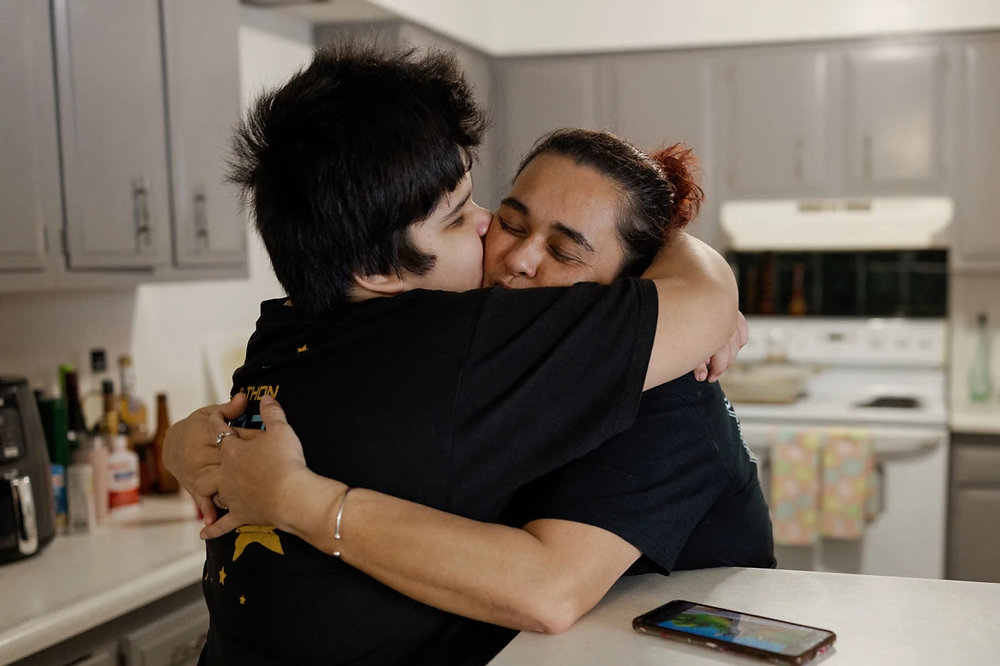
At the U.S.-Mexico border, many asylum-seeking families anticipate a quick process but instead face extended stays in government custody. Recent court data indicate that hundreds of children remain detained far beyond court-ordered time frames.
As of January, more than 900 minors were housed in family detention centers past the 20-day threshold set by legal settlements.
Settlement Limits Ignored
Under the Flores Settlement Agreement, families with children are generally not supposed to be held in immigration facilities for longer than 20 days. Data collected by court-appointed monitors and shared with NBC News shows that more than 900 children had been detained in family immigration facilities for longer than 20 days as of January, and approximately 270 children were held for more than 40 days, double the settlement’s intended limit.
Immigration attorneys argue that these prolonged detentions are part of a wider strategy to discourage asylum claims. When confinement stretches from weeks into months, advocates warn, the emotional impact on children can be severe, leading to regression symptoms such as bed-wetting, thumb-sucking and night terrors.
Experiences Inside Dilley Center
Russian asylum-seeker Aleksei arrived at the border with his wife and twin 5-year-olds expecting a brief processing period. After being transferred to the Dilley Immigration Processing Center in South Texas, the family watched the 20-day deadline come and go.
“OK, 20 days. We just wait and pray for God to release us,” Aleksei said he told himself. Weeks later, when he questioned an ICE officer about the delay, the officer replied: “Take it up with my boss.”
Aleksei asked, “Who’s that?”
The officer also stated that the Flores settlement “is not applicable anymore.” In reality, the agreement remains in force, though it has faced legal challenges from the previous administration.
During their detention of more than 120 days—six times the settlement’s limit—the twins lost weight, struggled with sleep and grew fearful of the guards, Aleksei said. “They asked if we were bad people,” he said. “They are not the same,” he said.
Detention at Dilley has also prompted complaints of spoiled food, limited schooling and delays in medical care.
Vilma Bautista Torres, who fled Honduras with her 9-year-old son with severe autism, spent over 80 days at Dilley. Without access to therapy or specialized schooling, her son began harming himself and suffered sleepless nights. “He didn’t have therapy. He didn’t have school. He didn’t have anything,” she said.
Child psychiatrist Dr. Gilbert Kliman, who has evaluated children in immigration detention, said prolonged confinement is especially harmful for autistic minors. “I could hardly think of a worse way to treat an autistic boy,” he said.
In another case, 18-year-old Habiba Soliman and her four younger siblings have been held at Dilley for more than nine months while authorities investigate their father’s separate criminal charges. Their lawyer argues that detaining children for their father’s alleged crimes is unconstitutional. “This place broke something in us,” Soliman said.
One parent told attorneys that their child asked: “Are we bad people? Are they going to kill us here?”