Ebola Outbreak in DRC: Humanitarian Organisations Respond Amid Growing Crisis
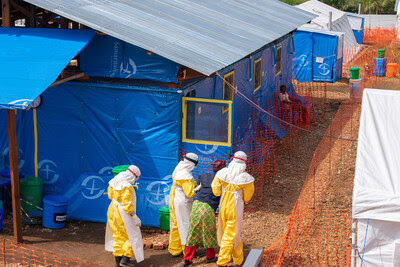
(Photo: Samaritan’s Purse)
The Democratic Republic of Congo (DRC) is grappling with a serious Ebola outbreak in its north-east region. This alarming situation has drawn the attention of global health bodies and humanitarian organisations, as they swiftly mobilise to mitigate the crisis.
The World Health Organisation (WHO) has classified the outbreak, which involves the Bundibugyo strain of Ebola, as a public health emergency of international concern as of May 15. This classification follows the identification of cases in Ituri province, and notably, there is currently no authorised vaccine or treatment for this strain.
Responding to the emergency, Tearfund is actively engaging with churches and local faith leaders in the DRC to promote public health education. Their campaigns focus on hygiene practices, early symptom recognition, and safe burial procedures to curtail the spread of the virus.
Poppy Anguandia, Tearfund’s country director in the DRC, highlighted the challenge posed by the region’s highly mobile population. With over 170 fatalities and more than 750 suspected cases, Anguandia noted that population movement complicates contact tracing efforts.
“We can waste no time in mobilising faith leaders to prevent the spread of Ebola,” Anguandia emphasized, pointing out that pastors are disseminating critical information on hand hygiene, medical assistance, and safe handling of deceased individuals to curb transmission.
Tearfund has initiated an emergency appeal to support their ongoing crisis response. Anguandia expressed urgency, stating, “The numbers are growing fast and timing is critical. This outbreak is situated in a densely populated region characterised by high levels of internal and cross-border migration. All the dominoes are set for a major disaster.”
Many residents face difficult choices between basic necessities, such as water for drinking versus handwashing, due to the lack of access to running water and other essential resources. Tearfund has been active in Ituri province for over a decade, and has quickly mobilised local communication networks to disseminate essential health information and preventive strategies.
The organisation also points out broader humanitarian challenges, such as the scarcity of soap and clean water, which are vital for controlling infectious diseases. Recent reductions in humanitarian aid have compounded the difficulties faced by charities and healthcare providers in these vulnerable areas.
Previously, during the 2018-2020 Ebola outbreaks, Tearfund collaborated with health centres to provide clean water facilities and build triage and isolation units, among other vital structures. They also engaged church leaders and communities in awareness campaigns through various communication channels, including radio and door-to-door outreach.
In response to the current escalation in cases, Samaritan’s Purse has announced the deployment of a disaster response team to the DRC. This team includes outbreak specialists, engineers, and infection prevention experts tasked with supporting local mission hospitals and enhancing infection control measures.
The Christian relief organisation is also coordinating with the DRC government to set up an Ebola Treatment Centre and deliver personal protective equipment to healthcare workers in affected areas. Franklin Graham, President of Samaritan’s Purse, stated: “Samaritan’s Purse has been on the frontlines of fighting Ebola for more than a decade, and we aren’t going to stop now. We are going to do everything we can to help save lives. We want people to know that God loves them, and they are not alone.”
Samaritan’s Purse has accumulated extensive experience in managing Ebola outbreaks, having previously established treatment centres in Liberia and the DRC, while also conducting widespread public health education campaigns with the help of church leaders and local volunteers.
This article was originally written by www.christiantoday.com