
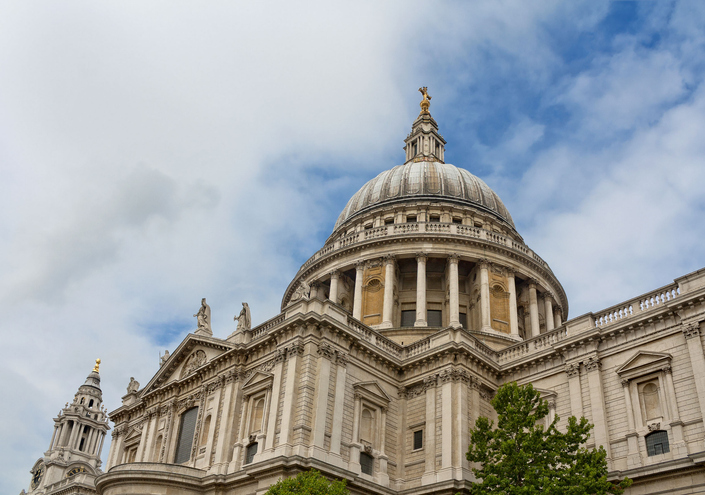
The Church of England is moving forward with Project Spire, a £100 million initiative aimed at addressing the impacts of the transatlantic slave trade on specific communities. Labour MP Marsha De Cordova, speaking as the Second Church Estates Commissioner, has confirmed this development.
The Church’s leadership views this project as a step toward repentance and restitution for its historical ties to slavery. However, the initiative has faced scrutiny, with critics questioning the Church’s alleged benefits from the slave trade. These critics argue that the plan signifies a shift in theology, embracing the idea of inherited sin and giving precedence to the suffering of certain groups over others.
Concerns have also been raised regarding the allocation of funds. Some, like Conservative MP Blake Stephenson, believe the money would be better utilized supporting struggling parishes throughout the country. He suggests it could help “bring hope and belonging to future generations and save our historic churches.”
In response, De Cordova expressed her hope that Project Spire would foster a sense of belonging in the Church for future generations. She also referenced the Archbishop of Canterbury’s remarks during a visit to the Cape Coast Castle in Ghana, a site significant to the history of the slave trade.
Beyond the moral and theological debates, Project Spire is also encountering legal challenges. Critics argue that Church Commissioners may be restricted by charity regulations from using funds for purposes not originally intended. One proposed solution is the creation of a separate entity specifically for managing Project Spire.
This article was originally written by www.christiantoday.com


