
Exploring Fundamental Questions of Faith at Passion 2026
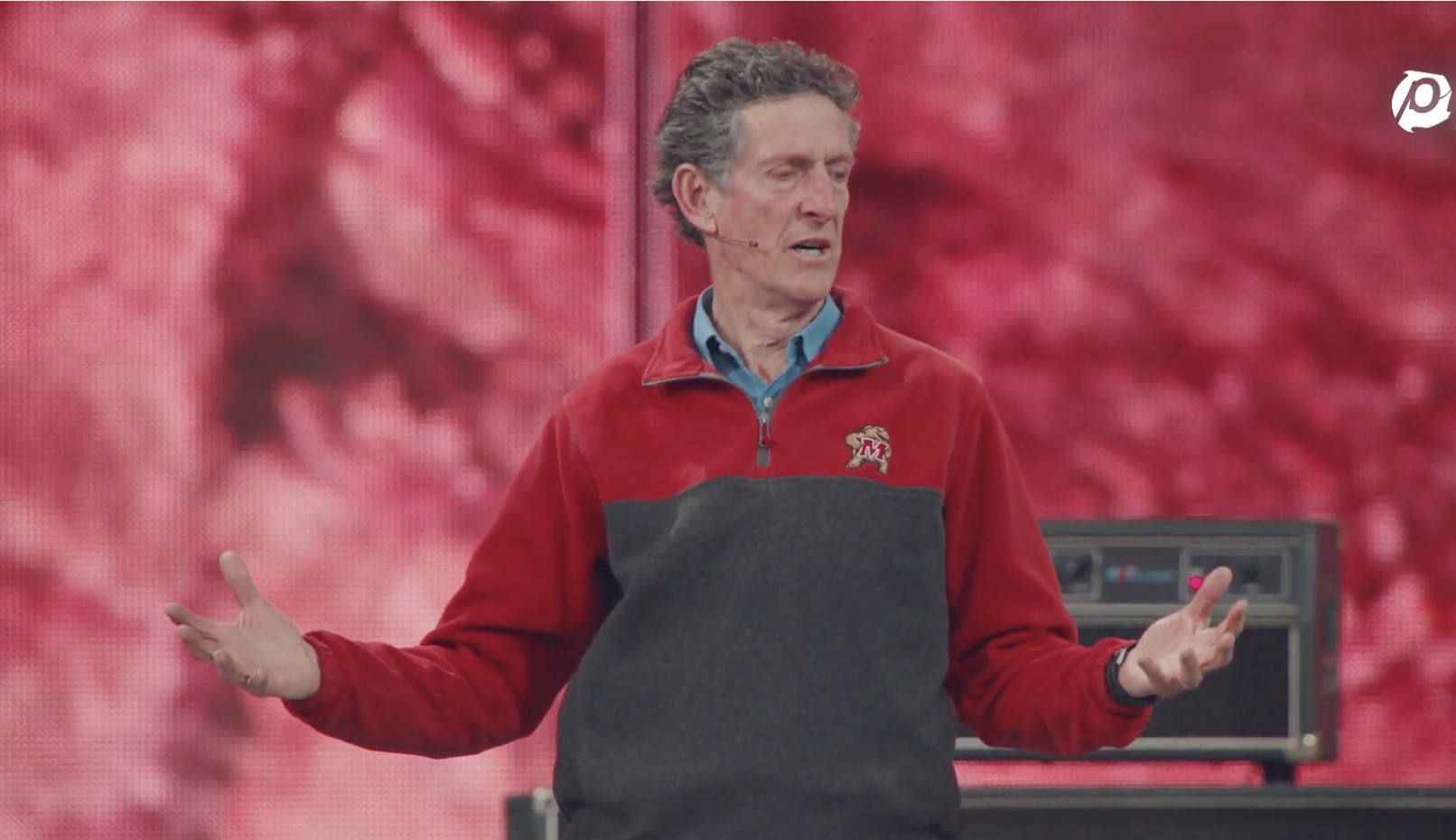
In a recent gathering at Passion 2026, held at Globe Life Field in Arlington, Texas, attendees were offered a chance to explore the pressing questions facing young believers today. The session featured Cliffe Knechtle, a pastor and Christian apologist, who tackled inquiries ranging from the existence of God to the interplay between science and faith.
Louie Giglio, the founder of Passion, explained the session’s format: “They submitted hundreds and hundreds and hundreds of questions. We collated them, took out the duplicates and raised them to the top.”
‘Is There Evidence for God’s Existence?’
Addressing the question of God’s existence, Knechtle admitted to his own struggles with doubt. “I still doubt,” he said, candidly. His reasoning for belief began with the order and design observed in nature, such as the intricate construction of a beaver’s dam, which he argued could not be a product of random chance. He referenced the Bible, citing Psalm 19, to illustrate how the heavens reflect divine glory.
Love, according to Knechtle, is another indicator of God’s presence, seen as an intangible yet real experience that transcends scientific explanation. He also pointed to the inherent meaning and morality present in human life as further support for a belief in God.
‘Does Science Oppose the Bible?’
On the topic of science and faith, Knechtle refuted the notion that they are inherently contradictory. “If anybody tells you that science contradicts the Bible,” he said, “they don’t understand what science is, or they haven’t read the Bible.” Highlighting that science examines processes, he emphasized that the Bible does not aim to be a scientific document, but rather a spiritual guide.
He referenced Galileo’s assertion that the Bible shows how to reach heaven, not how the heavens function, suggesting a harmonious coexistence between faith and scientific inquiry.
‘Is Agnosticism a Viable Stance?’
When asked about agnosticism, Knechtle argued it as an inadequate life stance, emphasizing the necessity of making decisions based on evidence and reality. He posed a question on the value of human life if considered a mere accident, challenging the audience to face the implications of their beliefs about existence.
‘Reconciling Free Will and Predestination’
Discussing the complex theological issue of free will and predestination, Knechtle aligned with C.S. Lewis in affirming that God’s sovereignty includes granting human free will. “It’s the self-limitation of God,” he explained, advocating for moral responsibility as a component of free will.
He urged the audience to focus on spreading the Gospel rather than getting lost in theological debates.
‘The Fate of Those Unaware of Jesus’
Knechtle candidly admitted uncertainty regarding the fate of those who have never heard of Jesus, but reassured attendees of God’s justice. He emphasized that salvation rests on Christ, with the acknowledgment that individuals have ample opportunity to explore and understand the teachings of Jesus.
‘The Nature of Hell and Divine Love’
When examining the compatibility of eternal suffering with divine love, Knechtle acknowledged the reality of Hell as a separation from God, as indicated by Jesus in the Bible. He emphasized Hell’s absence of joy and life, contrasting it with the celebration that Heaven represents.
‘Why Does Suffering Exist?’
In addressing why God allows suffering, Knechtle recounted a personal family tragedy to illustrate the presence of pain in life. He differentiated between the unfairness of life and the fairness of God, pointing to the resurrection of Christ as evidence of a solution to the problem of suffering and death.
‘Christian Perspectives on Sexuality’
Concerning questions on sexuality, Knechtle affirmed the biblical view that sex is a divine gift meant to be enjoyed within marriage. He recognized the harm caused by deviations from this ideal, urging believers to embrace the purpose of sexuality as defined by God.
‘Christian Engagement in Politics’
Knechtle advocated for political participation without allegiance to any party, emphasizing that true solutions lie in aligning with the Kingdom of God rather than political agendas. He urged voters to be informed by a biblical worldview when making decisions.
‘Understanding God’s Will’
Describing the challenge of discerning God’s will, Knechtle shared his personal struggle to differentiate between personal desires and divine guidance. He emphasized the importance of Scripture, prayer, and meditation in seeking God’s direction.
‘The Uniqueness of the Bible’
In discussing the Bible’s distinctiveness, Knechtle pointed to the historical reliability of the Gospels as foundational. He described faith in Christ as a reasoned response to evidence, with the teachings of Jesus providing a basis for accepting Scripture.
‘Becoming a Christian’
Finally, Knechtle defined becoming a Christian as a process of repentance and belief, emphasizing responsibility for personal decisions and trust in Christ’s forgiveness. He concluded the session with a prayer and a rendition of “Jesus Loves Me,” underscoring the core message of Christianity.
Passion 2026 continues to draw young adults for vibrant worship and profound discussions on faith, offering a platform for spiritual exploration and growth.
This article was originally written by www.christianpost.com




