(Photo: Lambeth Palace)
The Church of England’s initiative to address its historical ties to slavery has sparked considerable debate. Known as “Project Spire,” this £100m reparations plan has been criticized for potentially causing division within the church.
Ameer Kotecha, CEO of the Centre for Government Reform and former diplomat in Russia, expressed his concerns in an article for Spiked. Kotecha, who is exploring Christianity, remarked, “Nothing in Project Spire appeals to me or what I want from church.”
Kotecha argues that the reparations initiative seems more driven by “self-flagellating white liberals” than by the interests of Africans. He questions the motivations behind dedicating such substantial resources to this cause.
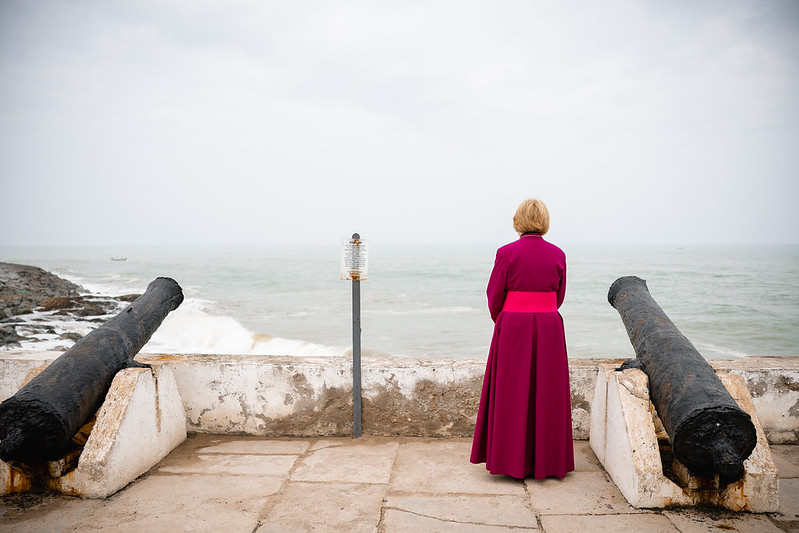
During a visit to Ghana, Sarah Mullally, the Archbishop of Canterbury, reiterated her support for Project Spire, framing it as part of a “journey of repentance.” She prayed for justice and reconciliation for those still affected by slavery’s legacy.
Kotecha, however, views the project as a combination of “guilt, partial historical knowledge and weakness in the face of shouty activist groups,” rather than a genuine act of spiritual repentance.
Project Spire has faced criticism for diverting funds from struggling parishes that might benefit more from financial support. Critics question whether the Church of England now endorses beliefs such as inherited sin and prioritizing the suffering of certain groups over others.
There are also historical disputes over whether the Church of England directly benefited from the slave trade, a claim that has been questioned.
Legally, Project Spire could potentially contravene regulations that require charitable funds to be used for their intended purposes. A legal challenge against the project was announced during last month’s General Synod.
This article was originally written by www.christiantoday.com