
Food Assistance Cuts Spark Concerns Over School Meal Programs
In recent times, changes to the Supplemental Nutrition Assistance Program (SNAP) have raised significant concerns about the potential impact on school meal programs across the United States. As lawmakers enacted reductions in food assistance, experts like Paige Shoemaker DeMio from the Center for American Progress have been particularly worried about the domino effect on children’s access to meals both at home and in schools.
“Anytime we’re hearing about cuts to SNAP or Medicaid, we’re worried about what’s going to be the domino effect of this,” said Shoemaker DeMio, who closely monitors K-12 education policies.
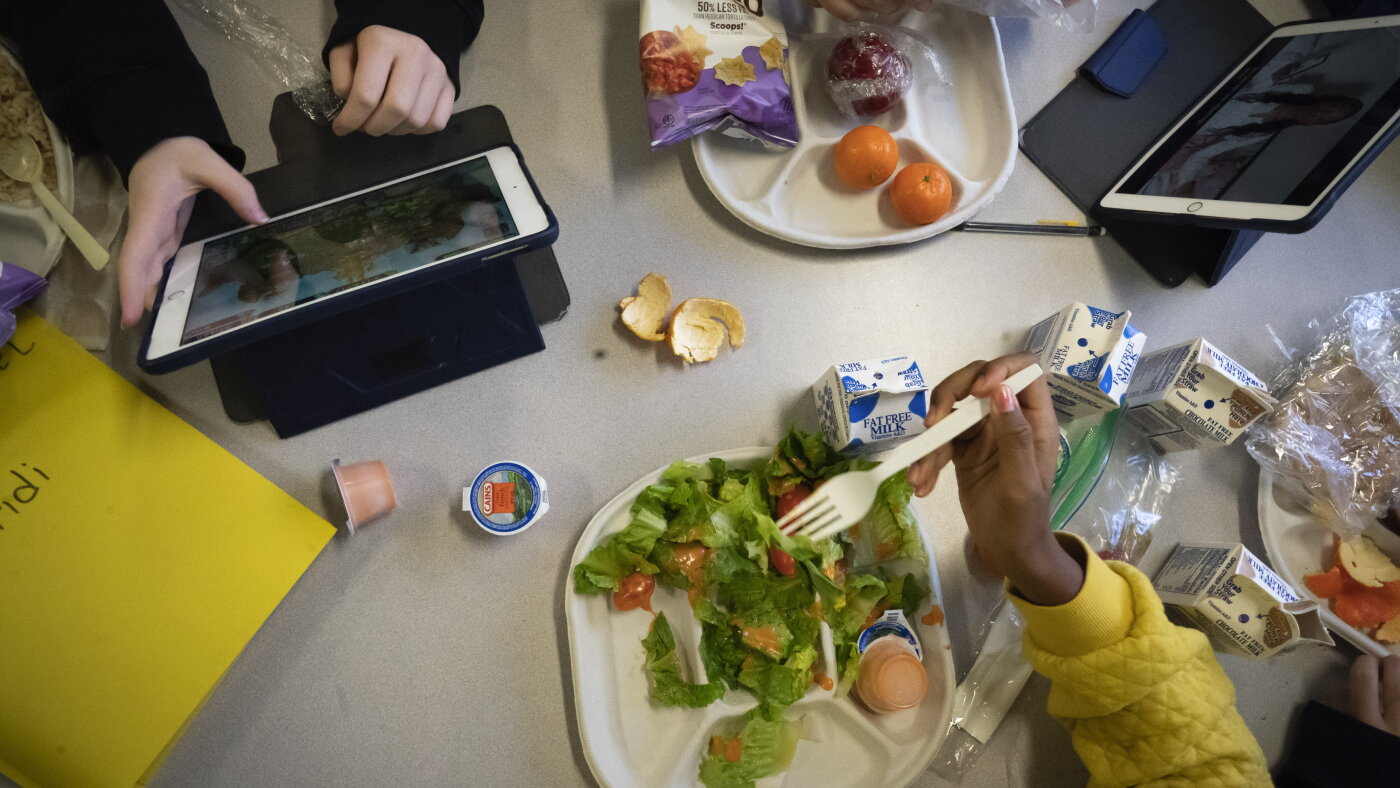
SNAP’s connection to free breakfast and lunch programs means that any reduction in food assistance could lead to children losing access to essential meals at school. The Center on Budget and Policy Priorities estimates that over a million children have lost food benefits since July 2025 due to legislative changes, including stricter work requirements.
Impact on Universal Free Meal Programs
Many schools, including those in San Antonio, Houston, and Miami-Dade County, have terminated their universal free meal programs. While the exact influence of SNAP participation decline remains uncertain, Diane Pratt-Heavner from the School Nutrition Association warns of a potential “tip-of-an-iceberg situation” with more severe effects anticipated in the coming years.
The U.S. Agriculture Department, responsible for overseeing SNAP and school meals, invests $385 million for nutrition assistance in low-income communities. They note, “School meal programs have varying income limits, and while SNAP participation may ease the application process, a family not on SNAP is not automatically disallowed participation.”
Financial Challenges for Schools
The Community Eligibility Provision allows schools with a significant number of students in assistance programs to offer universal free meals. However, fluctuations in SNAP participation can affect federal reimbursements, potentially leading schools to cover more costs from already tight budgets. In 2023, the end of a federal pandemic waiver saw schools accumulating meal debt, with some districts reporting debts as high as $1.7 million, according to a report by the School Nutrition Association.
“Unpaid meal debt becomes an issue not only for the school meal program, but for the school district budget, which has to pay teachers and for textbooks,” Pratt-Heavner explains.
The “Danger Zone” for Families
Families earning at or below 130% of the poverty line qualify for free meals, with reduced-price meals available for incomes up to $61,050 for a family of four. However, many families fall into a “danger zone,” where they earn just above the eligibility threshold yet still struggle financially.
Erin Bronner from a Phoenix school district highlights the difficulty: “They do fall through the cracks, and because of where they fall income-wise, it doesn’t leave us too many options to try and provide an alternative for them.”
Additionally, concerns exist for children of noncitizen families who may fear sharing personal information on meal applications amid immigration crackdowns.
Debates Over Universal Free Meals
Nine states currently offer permanent universal free school meals, but debates continue over their costs and benefits. Advocates argue that school meals contribute to better education outcomes and remove stigma for low-income students. Sharon Glosson from North East Independent School District in San Antonio notes the positive impact of universal free meals in reducing stigma.
Yet, as Glosson’s district halts such programs at many campuses, she observes, “We know that within our families in our school district, their economic status between now and four years ago, they don’t feel that it has improved to the point where they are now able to pay for school meals.”




