Shifting Political Winds: Democrats Eye Major Gains in Upcoming Elections
The political scene in the United States is undergoing significant changes as the midterm elections approach. With Democratic enthusiasm on the rise and dissatisfaction with President Trump’s policies, the balance of power in Congress may be poised for a shift.
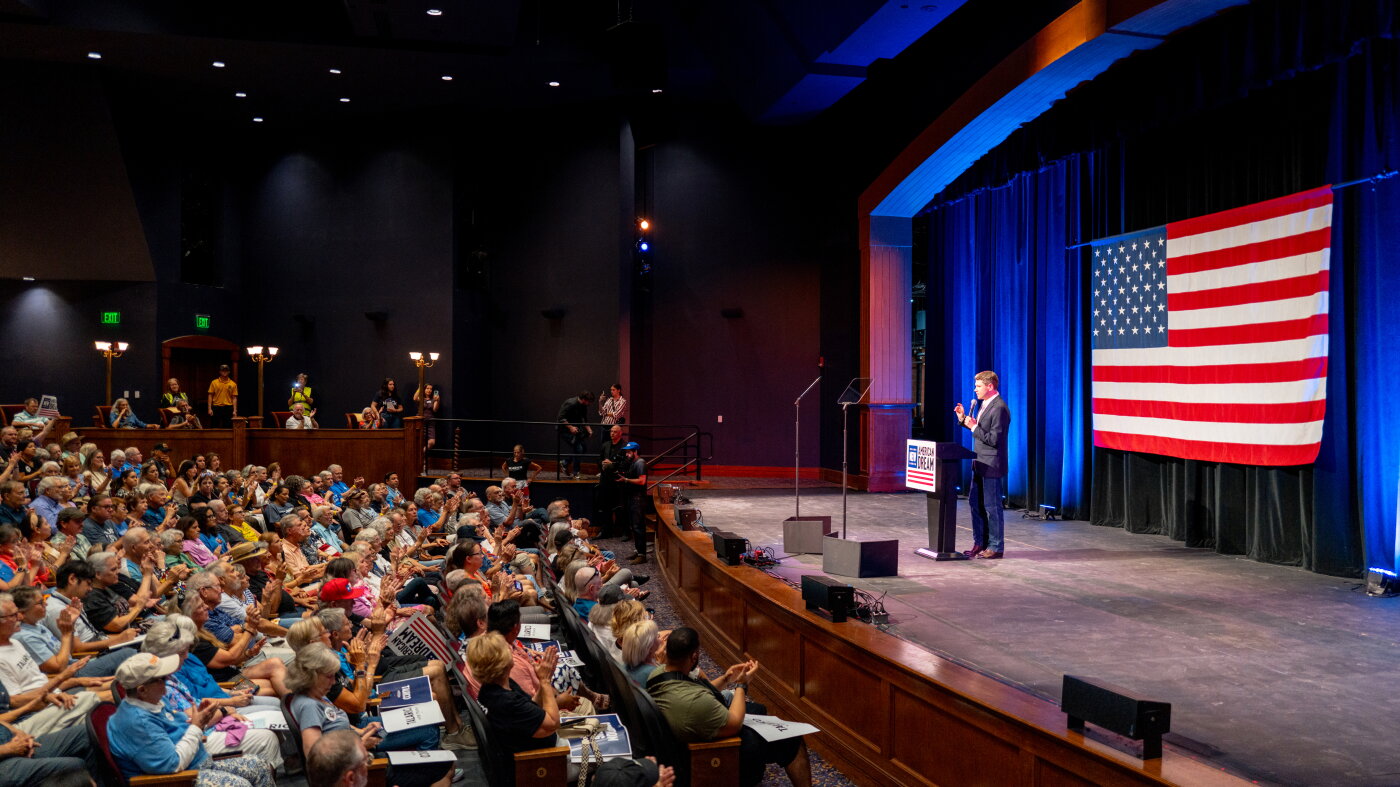
In this file photo, Democratic Senate candidate James Talarico speaks during a campaign rally on Aug. 31, 2026 in Kerrville, Texas. Labor Day often marks the unofficial kickoff of general election campaigning.
Brandon Bell/Getty Images
With Republicans narrowly holding majorities in both the House and the Senate, the upcoming elections are critical. Historically, the party in power faces challenges during midterms, and this year appears no different. Recent primary outcomes and polling data suggest a potential loss of control for Republicans in both chambers, even in traditionally conservative areas.
Voters are voicing their concerns about the current administration’s priorities, such as the war in Iran, immigration, tariffs, and the rising cost of living. President Trump’s approval ratings have plummeted, with many feeling there’s a disconnect between their concerns and his focus on projects like the White House ballroom.
Meanwhile, Democrats, recovering from previous electoral defeats, are energized, appealing to both their base and independents disillusioned with the current state of affairs. Both Democratic and Republican states have engaged in mid-decade redistricting, aiming to secure more safe seats for their respective parties.
Despite the challenges, polling suggests Democrats are favored to take the House, with more voters preferring a Democratic representative. Initially, the Senate race seemed difficult for Democrats, with key tossup states like Georgia and North Carolina, but the landscape is shifting.
Now, the battle for Congress is unfolding in Republican-leaning states such as Iowa, Texas, Ohio, and Alaska. Strong Democratic candidates, significant fundraising efforts, and third-party candidates could influence these pivotal contests.
The key factors driving the midterms are financial resources and campaign messaging. Democrats are outpacing Republicans in fundraising for crucial races, although Republican committees and Trump’s MAGA, Inc. super PAC have substantial funds. Recently, MAGA, Inc. announced a $10 million ad campaign to support Texas Senate nominee Ken Paxton.
In Texas, Republicans are hosting an unprecedented midterm convention to galvanize their base and appeal to independents, asserting their case for continued Congressional control. At the same time, Democrats are addressing their messaging challenges and tackling dissatisfaction within their ranks. Since Trump’s return, Democrats have seen significant gains in voter support, evident in the 2025 gubernatorial victories in Virginia and New Jersey.
As the midterms approach, primary voters have ousted several incumbents, and some have opted for retirement. In key races, Democratic candidates are crafting messages that acknowledge party weaknesses, aiming to resonate with a broader electorate.